


 Peržiūrėti realaus dydžio版
 Siųsti
 Dalintis
 Išsamiau
 Vadovas

 Atsisiųsti
 Panašūs eksponatai
 Rentgeno spindulių nuotrauka
 Diaporama
 Statistika
The Night Train
 Acrylic On Canvas
- WallArt
- Romanticism
 1849
1849 280.0 x 380.0 cm
 City Art Gallery
 Rodyti daugiau
Giclée / Meno spausdinimas
Muziejų lygio „giclée“ arba drobos spausdinimas: greita gamyba ir lankstios apdailos parinktys. ( Pirkti rankomis tapytą reprodukciją Perejti prie skaitmeninių vaizdų)




P118B €10

P118H €10

P118W €10

P438Z €10

P508JH €12

P508YH €12

P805H €10

P805Z €10

P919BZ €10

P919G €10

P919XJ €10

P959ZH €10

P968JZ €12

W106C €8

W218G €10

W218JH €8

W218Y €10

W307PJ €10

W316G €10

W316PJ €8

W316Y €10

W398PJ €8

W4111J €10

W500HY €15

W500JH €15

W692G €12

W849H €8

W940BG €15

W953PJ €8




Pasirinkite iš mūsų nustatytų dydžių, atitinkančių originalaus meno kūrinio proporcijas.

Įveskite jums reikiamą plotį ir aukštį, kad atvaizdas derėtų prie jūsų rėmo ar sienos. Spausdiną galima tik sumažinti, bet nepadidinti virš originalaus paveikslėlio dydžio, todėl keičiant proporcijas, dalis vaizdo prarandama. Prieš spausdinimą atsiųsime jums skaitmeninį maketą patvirtinimui. Šioje puslapio nuotraukoje matomas pjūvis nėra tikslus – jį rodo tik maketas.
Pristatymas visame pasaulyje () per 2 weeks, o ne įprastas 4/5 savaičių laikotarpis. (26 spalis)

Nemokamas greitasis pristatymas visame pasaulyje

Aukštos kokybės lininis drobė

Pilnas siuntimo draudimas

Muitinės mokesčių grąžinimo garantija

Tikro spalvų atitikimo garantija

100 dienų grąžinimo politika (tik esant įtaigoms)

100% pinigų grąžinimo garantija

Nuolaida dideliems užsakymams
 Stiklo variantas prieinamas tik pasirinkus dydį iki 110 cm

The Night Train
Giclée / Meno spausdinimas
Reprodukcijos dydis
-


Visų pasirinktų variantų kaina
€ 56
The Night Train: A Watercolor’s Evocative Journey
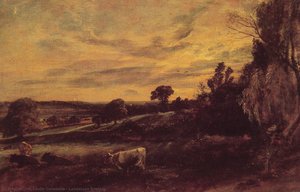
David Cox's "The Night Train," painted in 1849, isn’t merely a depiction of a locomotive traversing the countryside; it’s a profound meditation on movement, atmosphere, and the sublime power of nature. Created during a pivotal period of artistic evolution – bridging the Romantic era with nascent influences of Impressionism – this watercolor captures a fleeting moment imbued with both drama and tranquility. Cox, a key figure in the Birmingham School of painting, masterfully employed loose brushstrokes and a muted color palette to evoke not just what he saw, but how he *felt* observing the scene.
The composition immediately draws the eye into a dynamic landscape dominated by a swirling, almost turbulent sky. Dark, brooding clouds – rendered with remarkable sensitivity to light and shadow – press down upon the viewer, hinting at an impending storm while simultaneously illuminating the distant horizon. Below this dramatic expanse unfolds a rolling countryside, painted in washes of deep greens, browns, and blues. The artist’s technique is deliberately loose; individual brushstrokes are visible, contributing to the sense of movement and immediacy. This approach was revolutionary for its time, moving away from the rigid detail favored by earlier landscape painters.
A Glimpse into a Romantic Vision
“The Night Train” firmly resides within the Romantic tradition, a movement that prioritized emotion, imagination, and the awe-inspiring power of nature. Unlike the Neoclassical emphasis on reason and order, Romantic artists sought to capture subjective experiences – feelings of wonder, terror, and spiritual connection – in their work. Cox’s painting embodies this spirit perfectly. The train itself, a symbol of progress and industrialization, is presented not as a triumph but as an element within a larger, more ancient landscape. It's a reminder of humanity’s place within the vastness of nature.
The inclusion of figures on the train – two individuals observing the scene – adds another layer of interpretation. Are they travelers seeking adventure? Or perhaps simply observers contemplating the beauty and power of the natural world? Their presence invites the viewer to project their own experiences and emotions onto the scene, transforming it into a shared moment of contemplation.
Symbolism and Emotional Resonance
Beyond its immediate visual appeal, “The Night Train” is rich in symbolism. The train, as mentioned, represents progress but also carries an element of displacement – a journey away from familiar surroundings. The turbulent sky suggests both the potential for destruction and renewal, while the horses galloping across the foreground embody untamed energy and instinct. Cox’s masterful use of light and shadow creates a powerful emotional atmosphere, evoking feelings of mystery, anticipation, and perhaps even a touch of melancholy.
The painting's overall effect is one of profound beauty and quiet drama. It’s not simply a landscape; it’s an experience – a journey into the heart of nature’s power and the human spirit’s capacity for wonder. “The Night Train” remains a testament to David Cox’s artistic vision and his ability to capture the essence of a fleeting moment with remarkable skill and sensitivity.
Reproductions & Artistic Legacy
High-quality reproductions of “The Night Train” are available, offering art enthusiasts a chance to bring this evocative masterpiece into their homes. Considerations for framing should complement the painting’s atmospheric qualities – a simple, natural wood frame would best enhance its romantic feel. The watercolor's delicate washes and subtle details benefit from archival-quality paper and printing techniques to preserve its original beauty.
Cox’s influence extends beyond this single work; he is considered a precursor to Impressionism, paving the way for artists who sought to capture fleeting moments of light and color. Studying “The Night Train” provides valuable insight into the development of landscape painting and the enduring power of Romantic art.
问答 (or more naturally for a website heading): Klausimai ir atsakymai
Kokie yra originalaus „The Night Train“ matmenys?
Originalaus kūrinio „The Night Train“, autorius – Deividas Koksas matmenys yra 280 x 380 cm.
Kur galiu rasti „The Night Train“ vadovą?
Dėl „The Night Train“, autorius – Deividas Koksas yra prieinama Gidas puslapio: spausdinamas informacinis lapelis apie kūrinį, skirtas studentams ir mokomajamiam procesui klasėje.
Ar „The Night Train“ yra garsus Romanticism kūrinys?
Kataloge kūrinys „The Night Train“ vertinamas kaip Recognized tarp Romanticism stiliaus darbų.
Susiję kūriniai



Autoriaus biografija
Deividas Koks: Gyvenimas Peizažo Tapyboje
Deividas Koks (1783–1859) – iškili anglų peizažisto figūra, kurio vardas dažnai minimas kartu su ankstyvųjų impresionistų pradininkais. Jo tapybos kelias, prasidėjęs nuo detalių akvarelių, vėliau perėjo į ekspresyvius aliejinių paveikslų pasaulius, kuriuose atsispindi britų kaimo grožis ir subtilios atmosferos kaitos. Koks ne tik puikiai valdė techniką, bet ir turėjo ypatingą gebėjimą perteikti šviesos ir oro poveikį gamtai, todėl jo darbai iki šiol žavi žiūrovus visame pasaulyje.
Ankstyvieji Metai Ir Ugdymas
- Gimė: 1783 m. balandžio 29 d., Deritende, Birmingeme, Jungtinėje Karalystėje.
- Deivido Kokso tėvas buvo juodys ir metaldirbys, tiekdavęs detales į Birmingemo ginklų pramonę. Jo motina, kilusi iš ūkininkų šeimos, pasižymėjo aukštu išsilavinimu ir stipriu charakteriu.
- Pradėjęs mokytis Joseph Barber akademijoje Great Charles Street gatvėje, Koks susipažino su bendraamžiais Charles Barber ir William Radclyffe.
- Sulaukęs 15 metų, Koks tapo Albert Fielder mokinys, Birmingemo dailininko, specializavusioся portretinėse miniatiūrose ir dekoratyviniuose paveiksluose ant įvairių daiktų, pavyzdžiui, tabatierių. Šis ankstyvas mokymasis suteikė jam pagrindinius meno įgūdžius.
Karierinis Kelias Ir Kūrybinė Raida
- 1804 metais Koks persikėlė į Londoną ir vedė savo namų šeimininko dukterį Mary Ragg.
- Lemtinga kelionė į Velso salą 1805 metais su Charles Barber atžymėjo daugelio eskizų turų pradžią viso jo gyvenimo metu. Šios kelionės turėjo didelę įtakos jo kūrybiniam stiliui.
- Koks reguliariai eksponavo savo darbus Karališkojoje Akademijoje nuo 1805 metų, iš pradžių užsidirbdamas pragyvenimui kaip piešimo mokytojas. Pulkininkas Hon. H. Windsor tapo vienu pirmųjų jo mokinių 1808 metais.
- Kokso ankstyvieji darbai buvo sutelkti į detalius akvarelinius peizažus, dažnai vaizduojančius kaimiškas scenas ir architektūrinius objektus.
Kūrybinis Stilius Ir Įtakos
- Kokso stilius kito bėgant laikui. Jis perėjo nuo tikslių topografinių vaizdavimų prie ekspresyvesnio ir atmosferiškesnio požiūrio.
- Įtakos: Nors konkretūs įtaka šaltiniai yra diskutuotini, jo darbai rodo artimumą su XVII amžiaus olandų peizažistais ir aštrų gamtos stebėjimą, primenantį Constable.
- Jis tapo žinomas dėl laisvos teptuko technikos, ryškių spalvų ir gebėjimo užfiksuoti šviesos ir oro poveikį. Jo vėlesni aliejiniai paveikslai buvo ypač novatoriški.
Pagrindiniai Pasiekimai Ir Palikimas
- Koks sukūrė daugiau nei 300 aliejinių paveikslų savo karjeros pabaigoje, kurie dabar pripažįstami kaip „vienas didžiausių, bet mažiausiai įvertintų anglų dailininko pasiekimų“.
- Jis laikomas vienu iš didžiausių anglų peizažistų ir pagrindine Aukso amžiaus anglų akvarelės figūra.
- Jo darbai turėjo reikšmingos įtakos vėlesnėms kartoms peizažo tapytojų.
- Žymiausi Darbai: Vėjas Ant Pelkės, Kaimelio Vaizdas Herefordshire, Severno Ir Vajo Santaka Netoli Chepstow ir Mėnulio Šviesos Peizažas yra tarp jo garsiausių paveikslų.
Istorinė Reikšmė
- Deividas Koks pripažįstamas kaip ankstyvas impresionizmo pradininkas. Jo pabrėžimas užfiksuoti trumpalaikius atmosferos efektus ir laisva teptuko technika numatė daugelį technikų, vėliau perimtų impresionistų.
- Jis suvaidino lemiamą vaidmenį įtvirtinant britų peizažo tapybą kaip atskirą žanrą, pereinant nuo grybų topografinių vaizdavimų prie ekspresyvesnių ir emocionalesnių gamtos interpretacijų.
- Jo darbai iki šiol vertinami dėl grožio, jautrumo ir nuolatinio patrauklumo.

Deividas Koksas
1783 - 1859 , Jungtinė Karalystė
Trumpa informacija apie kūrėją
- Gimimo Data: 1783 m. balandžio 29 d.
- Gimimo Vieta: Birmingamas, Jungtinė Karalystė
- Meninis Stilius: Angliškas peizažas
- Mirties Data: 1859 m.
- Pilietybė: Britų
- Pilnas Vardas: Deividas Koksas
- Žymiausi Darbai:
- Vėjas ant kalno
- Kaimo trobelė Herefordshire'e
- Severno ir Vajaus santaka
- Mėnulio kraštovaizdis
Susiję straipsniai

Ephemeral Visions: Exploring the Artistic Legacy & Nuances of Watercolor Painting
Explore the captivating world of watercolor painting! Discover its rich history, essential techniques, influential artists & collecting tips from art experts. A comprehensive guide for enthusiasts.

Watercolor Wonders: 10 Masterpieces That Redefined Art History | AllPaintingsStore
Journey through 10 legendary watercolor masterpieces by Sargent, Turner & Homer! Explore iconic landscapes, portraits & floral art that redefined history. Find museum-quality reproductions and curated decor ideas at AllPaintingsStore.com.

Ephemeral Visions: Exploring the Artistic Legacy & Contemporary Practice of Watercolor Painting
Explore the captivating world of watercolor painting! Discover its rich history, essential techniques, influential artists & collecting tips. A comprehensive guide for art enthusiasts from AllPaintingsStore.

Ephemeral Visions: Exploring the History & Emotional Resonance of Watercolor Painting
Explore the captivating history of watercolor painting, from ancient techniques to modern masters like Kandinsky & Blake. Discover essential artists, collecting tips & the emotional power of this luminous medium. Expert insights for art enthusiasts.

David Cox the Elder: Landscape, Light & the Romantic Vision of Rural England
Explore the captivating landscapes of David Cox the Elder, a pivotal figure in British Romanticism. Discover his masterful watercolour techniques, enduring legacy & find timeless art for your home at AllPaintingsStore.

