


 Peržiūrėti realaus dydžio版
 Pasidalinti
 Dalintis
 Išsamiau
 Vadovas

 Atsisiųsti
 Panašūs eksponatai
 Rentgeno spindulių nuotrauka
 Automatinė diorama
 问答
问答 Statistika
Pompeius Occo

- 66.0 x 54.0 cm


 Skaityti daugiau
Giclée / Meno spausdinimas
Muziejų lygio „giclée“ arba drobos spausdinimas: greita gamyba ir lankstios apdailos parinktys. ( Pirkti rankų darbo tapybą Perejti prie skaitmeninių vaizdų)




P118B €10

P118H €10

P118W €10

P438Z €10

P508JH €12

P508YH €12

P805H €10

P805Z €10

P919BZ €10

P919G €10

P919XJ €10

P959ZH €10

P968JZ €12

W106C €8

W218G €10

W218JH €8

W218Y €10

W307PJ €10

W316G €10

W316PJ €8

W316Y €10

W398PJ €8

W4111J €10

W500HY €15

W500JH €15

W692G €12

W849H €8

W940BG €15

W953PJ €8




Pasirinkite iš mūsų nustatytų dydžių, atitinkančių originalaus meno kūrinio proporcijas.

Įveskite jums reikiamą plotį ir aukštį, kad atvaizdas derėtų prie jūsų rėmo ar sienos. Spausdiną galima tik sumažinti, bet nepadidinti virš originalaus paveikslėlio dydžio, todėl keičiant proporcijas, dalis vaizdo prarandama. Prieš spausdinimą atsiųsime jums skaitmeninį maketą patvirtinimui. Šioje puslapio nuotraukoje matomas pjūvis nėra tikslus – jį rodo tik maketas.
Pristatymas visame pasaulyje () per 2 weeks, o ne įprastas 4/5 savaičių laikotarpis. (8 lapkritis)

Nemokamas greitasis pristatymas visame pasaulyje

Aukštos kokybės lininis drobė

Pilnas siuntimo draudimas

Muitinės mokesčių grąžinimo garantija

Tikro spalvų atitikimo garantija

100 dienų grąžinimo politika (tik esant įtaigoms)

100% pinigų grąžinimo garantija

Nuolaida dideliems užsakymams
 Stiklo variantas prieinamas tik pasirinkus dydį iki 110 cm

Pompeius Occo
Giclée / Meno spausdinimas
Reprodukcijos matmenys
-


Bendroji kaina
€ 58
A Study in Contemplation: The Portrait of Pompeius Occo
To gaze upon this portrait of Pompeius Occo is to step directly into the richly textured atmosphere of early sixteenth-century Dutch society. It is more than a mere likeness; it is a carefully constructed meditation on status, transience, and the weight of human existence. The gentleman depicted exudes an air of considerable wealth, suggested by the luxurious fur trimming adorning his hat and the meticulous rendering of his garments. Yet, this portrait resists simple admiration of earthly splendor. Instead, it draws the viewer into a profound dialogue between life’s vibrant pleasures and its inevitable conclusion.
Mastery of Technique and Form
The technical brilliance evident in this piece speaks to the high standards of the period's masters. Executed with what appears to be oil paint on canvas, the artist achieved a remarkable verisimilitude that continues to captivate. Observe the handling of light; it is dramatic, almost theatrical, carving out the contours of the face and catching the sheen of the fabric folds through stark contrasts of shadow and illumination. The background itself is a complex tapestry—a detailed cityscape interwoven with natural elements like trees and anchored by a heraldic shield. This depth, achieved through sophisticated perspective, pulls the eye beyond the sitter, suggesting a world both grand and contained.
The Weight of Symbolism
What elevates this work from portraiture to allegory are its potent symbolic props. In his hand, he delicately holds a single rose, an enduring emblem of beauty, love, or perhaps fleeting perfection. Juxtaposed against this bloom is the stark reality of the skull—the ultimate memento mori. This pairing forces the viewer into contemplation: how does one reconcile the ephemeral blush of life’s beauty with the cold certainty of death? The inclusion of these symbols transforms the portrait from a simple record of identity into a philosophical statement on the human condition, suggesting that true wisdom lies in acknowledging both.
Historical Echoes and Artistic Context
Dating to 1531, this work emerges from a period of intense cultural flowering in the Netherlands. While the artist’s biography connects him to the burgeoning genre of militia portraits—a reflection of civic pride—this specific piece adopts a more intimate, contemplative register. It speaks to an era where portraiture was not just about documenting rank, but about projecting inner virtue and worldly standing simultaneously. The combination of realistic rendering with deep symbolic undertones makes it a quintessential artifact of early Northern Renaissance thought.
Bringing the Contemplation Home
For the discerning collector or designer, this reproduction offers an unparalleled opportunity to integrate high art into a modern space. It does not merely decorate; it engages. The rich textures—the softness of the fur against the hard geometry of the architecture, the delicate curve of the rose against the stark bone of the skull—create a visual narrative that encourages pause and thought. Owning this piece is acquiring a conversation starter, a tangible link to the profound artistic concerns of the sixteenth century.
Klausimai ir atsakymai
Kada ir kokiais medžiagomis buvo sukurta „Pompeius Occo“?
„Pompeius Occo“ sukurtas 1531 m. naudojant Oil On Canvas techniką. Medžiaga ir data nurodo, kaip ir kada buvo sukurtas originalas.
Kur galiu rasti „Pompeius Occo“ vadovą?
Gidas apie „Pompeius Occo“ yra šio kūrinio Informacinė medžiaga puslapis – spausdinamas informacinį lapelis, kuriame pateikiamas kūrinys su antrašte, autoriu nurodymu bei duomenų lentele (autorius, datos, technika, originalus dydis, kolekcija).
Kaip buvo sukurta „Pompeius Occo“ ir kokio yra dydžio?
„Pompeius Occo“ sukurta naudojant Oil On Canvas, o jos originalus matmuvas yra 66 x 54 cm.
panašūs kūriniai


Autoriaus biografija
Dirck Jacobsz (1497–1567): Pioneer of Dutch Militia Portraits
Dirck Jacobsz, whose exact birthplace remains shrouded in mystery—likely Amsterdam—stands as a pivotal figure in the burgeoning artistic landscape of 16th-century Holland. Born into a family steeped in painting tradition, he received his initial training from his father, Jacob Cornelisz van Oostsanen, establishing him firmly within the artistic lineage of his time. However, Jacobsz’s artistic journey truly blossomed under the profound influence of Jan van Scorel, a fellow Amsterdam painter whose Mannerist style captivated him and shaped his distinctive visual vocabulary. This stylistic kinship is particularly evident in ‘The Crossbowmen,’ completed around 1529—a monumental achievement that cemented Jacobsz's reputation as one of the era’s foremost artists and marked the genesis of Dutch militia portraits, a genre that would forever alter the artistic representation of civic life.- Early Life & Training: Jacobsz’s formative years were characterized by immersion in the artistic milieu of Amsterdam, where he honed his skills alongside established masters like Cornelisz van Asselen and Gerard Terwesten.
- Mannerist Influence: Jan van Scorel's Mannerist aesthetic—characterized by dramatic lighting, stylized figures, and a heightened sense of emotion—served as an indispensable catalyst for Jacobsz’s artistic development.
- The Crossbowmen (1529): This iconic painting represents Jacobsz’s breakthrough moment, establishing him as the progenitor of Dutch militia portraits and showcasing his mastery of composition and technique.
Marriage & Family: Establishing Roots in Amsterdam
In 1550, Dirck Jacobsz married Marritgen Gerritsdr., forging a familial bond that would endure for decades. Together they welcomed two children into their life—Maria dircksdr. and jacob dircksz.—who themselves pursued artistic endeavors, continuing the family’s legacy of creative expression. This domestic tranquility provided a backdrop against which Jacobsz cultivated his craft, furthering his reputation as a prolific painter.Notable Commissions & Artistic Output
Jacobsz's artistic output extended beyond individual portraits; he undertook significant commissions for civic organizations and guilds, notably producing two earlier group portraits of Amsterdam’s shooting corporation—works that now reside in the State Hermitage Museum in Saint Petersburg. These monumental paintings exemplify Jacobsz’s ability to capture complex social dynamics and convey profound symbolic meaning through meticulous detail and masterful execution.Legacy & Historical Significance
Dirck Jacobsz's contribution to Dutch art history transcends mere stylistic innovation; he fundamentally reshaped the visual representation of civic life, initiating a genre that would become synonymous with the humanist ideals of the Renaissance. His enduring influence can be discerned in subsequent generations of painters who embraced his Mannerist sensibilities and championed the depiction of prominent figures within the context of their communities. He remains an indispensable figure in understanding the artistic evolution of Amsterdam and the broader trajectory of Netherlandish painting during its golden age.
Dirck Jacobsz
1497 - 1567 , Netherlands
Trumpa informacija
- Full Name: Dirck Jacobsz
- Nationality: Dutch
- Date Of Birth: 1497
- Date Of Death: 1567
- Place Of Birth: Amsterdam, Netherlands
- Notable Artworks:
- The Crossbowmen
- A Group of Guardsmen
- Artistic Movement Or Style: Renaissance Mannerism
- Artists Who Influenced This Artist: ['Jan van Scorel']
Susiję straipsniai
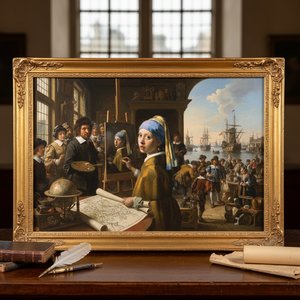
Golden Age Reflections: Dutch Baroque Painting & Cultural Innovation
Explore the Dutch Golden Age of painting! Discover key artists like Vermeer & ter Borch, their innovative techniques, and the rich cultural context behind these Baroque masterpieces. Learn about collecting & appreciating this iconic art period.

Golden Light & Dutch Skies: The Timeless Magic of Dutch Golden Age Landscapes
Discover the breathtaking beauty of Dutch Golden Age landscapes. Explore the mastery of light, chiaroscuro, and 17th-century realism through an expert art history lens, celebrating the enduring legacy of the Dutch Masters for discerning collectors and art lovers.

Illuminating Innovation: Exploring the Dutch Golden Age of Painting
Explore the Dutch Golden Age of painting with AllPaintingsStore. Discover Rembrandt, Vermeer & other Masters. Learn about key characteristics, iconic artworks, and lasting influence. Expert insights for collectors & enthusiasts.

Mastering Light & Shadow: A Journey Through the Dutch Golden Age's Luminous Legacy
Embark on a cultural journey through the Dutch Golden Age. Explore the masterful interplay of light and shadow in 17th-century masterpieces, from Rembrandt to Vermeer, and discover how this era of profound realism continues to inspire fine art collectors today.
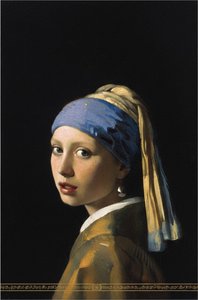
Olandijos Aukso Amžius: 10 Šedevrų, Apibrėžiančių Meną ir Stilių
Atraskite Olandijos Aukso Amži\u017us meninius šedevrus! 10 legendin\u017iŴ paveikslžiai – Rembrandto, Vermeerio ir kt. darbai. Sužnkitę j\u016ungo namus aukso amži\u017us grožiu! Āukrai, interjero dizainas – viskas AllPaintingsStore.com. Ižirkite kolekciją internete!