


 Peržiūrėti realaus dydžio版
 Pasidalinti
 Dalintis
 Išsamiau
 Vadovas

 Atsisiųsti
 Panašūs eksponatai
 Rentgeno spindulių nuotrauka
 Automatinė diorama
 Q&A
Q&A Statistika
Annunciation
 Acrylic On Canvas
- WallArt
- Early Renaissance
 1435
1435 218.0 x 168.0 cm
 Santa Croce
 Skaityti daugiau
Giclée / Meno spausdinimas
Muziejų lygio „giclée“ arba drobos spausdinimas: greita gamyba ir lankstios apdailos parinktys. ( Pirkti rankų darbo tapybą Perejti prie skaitmeninių vaizdų)




P118B €10

P118H €10

P118W €10

P438Z €10

P508JH €12

P508YH €12

P805H €10

P805Z €10

P919BZ €10

P919G €10

P919XJ €10

P959ZH €10

P968JZ €12

W106C €8

W218G €10

W218JH €8

W218Y €10

W307PJ €10

W316G €10

W316PJ €8

W316Y €10

W398PJ €8

W4111J €10

W500HY €15

W500JH €15

W692G €12

W849H €8

W940BG €15

W953PJ €8




Pasirinkite iš mūsų nustatytų dydžių, atitinkančių originalaus meno kūrinio proporcijas.

Įveskite jums reikiamą plotį ir aukštį, kad atvaizdas derėtų prie jūsų rėmo ar sienos. Spausdiną galima tik sumažinti, bet nepadidinti virš originalaus paveikslėlio dydžio, todėl keičiant proporcijas, dalis vaizdo prarandama. Prieš spausdinimą atsiųsime jums skaitmeninį maketą patvirtinimui. Šioje puslapio nuotraukoje matomas pjūvis nėra tikslus – jį rodo tik maketas.
Pristatymas visame pasaulyje () per 2 weeks, o ne įprastas 4/5 savaičių laikotarpis. (29 spalis)

Nemokamas greitasis pristatymas visame pasaulyje

Aukštos kokybės lininis drobė

Pilnas siuntimo draudimas

Muitinės mokesčių grąžinimo garantija

Tikro spalvų atitikimo garantija

100 dienų grąžinimo politika (tik esant įtaigoms)

100% pinigų grąžinimo garantija

Nuolaida dideliems užsakymams
 Stiklo variantas prieinamas tik pasirinkus dydį iki 110 cm

Annunciation
Giclée / Meno spausdinimas
Reprodukcijos matmenys
-


Bendroji kaina
€ 56
The Divine Encounter: An Exploration of Donatello's Annunciation
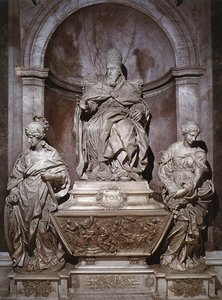
Donatello’s 1435 Annunciation, housed within the Basilica di Santa Croce in Florence, isn’t merely a depiction of a biblical moment; it’s a profound meditation on grace, humility, and the transformative power of faith. Commissioned during a pivotal period of artistic innovation – bridging the Gothic and Renaissance eras – this sculpture embodies Donatello's revolutionary approach to humanism and his masterful command of classical forms. The scene unfolds with an arresting immediacy: Mary, seated on a simple bench, receives the startling announcement from the radiant angel Gabriel. The composition isn’t one of grand theatricality but rather a quiet intimacy, capturing a pivotal moment of revelation within a remarkably restrained space.
Donatello's genius lies not just in his technical skill – evident in the exquisitely rendered drapery and the subtly expressive faces – but also in his ability to imbue the figures with palpable emotion. Mary’s posture, slightly turned away from Gabriel, conveys a mixture of surprise, apprehension, and burgeoning joy. Her hands are delicately positioned, reflecting both her modesty and her acceptance of God's will. Gabriel, too, is rendered with remarkable detail, his wings spread in a gesture of divine authority yet tempered by a gentle demeanor. The sculpture’s power resides in its ability to evoke a deeply human response to the extraordinary – a recognition of our own vulnerability and capacity for grace.
A Synthesis of Antiquity and Renaissance Ideals
The Annunciation at Santa Croce represents a crucial step in Donatello's artistic evolution. Returning from his influential Roman sojourn, he brought back a renewed fascination with classical sculpture, particularly the idealized forms and serene expressions of ancient Greek and Roman figures. This influence is immediately apparent in Mary’s pose, which echoes the statues of goddesses found in Roman baths – a deliberate reference to her divine role as the Mother of God. However, Donatello doesn't simply replicate antiquity; he adapts it to his own Renaissance sensibilities, imbuing the sculpture with a sense of dynamism and psychological depth that was largely absent from earlier depictions of the subject.
The choice of *pietra serena*, a durable and subtly veined marble, further contributes to the work’s timeless quality. The use of gold highlights, particularly in the drapery and the angel's garments, adds a layer of luxuriousness and emphasizes the sacred nature of the event. Donatello’s decision to depict Mary seated rather than standing – a departure from traditional representations – reinforces her role as a humble recipient of divine grace. This subtle shift in perspective underscores the sculpture’s humanist focus, placing Mary within a domestic setting and emphasizing her humanity alongside her divinity.
Symbolism and Emotional Resonance
Beyond its formal qualities, the Annunciation is rich in symbolic meaning. The angel Gabriel's trumpet – a small, almost understated detail – represents the herald of divine news. The simple bench upon which Mary sits symbolizes humility and her willingness to accept God’s plan. The overall composition creates a sense of quiet contemplation, inviting viewers to reflect on the profound implications of the Incarnation. Donatello masterfully captures the emotional core of the story: the moment when human destiny intersects with divine purpose.
The sculpture's enduring appeal lies in its ability to resonate with audiences across centuries and cultures. It speaks to themes of faith, hope, and love – universal values that transcend time and place. Donatello’s Annunciation remains a powerful testament to the transformative potential of art and its capacity to illuminate the deepest mysteries of human experience.
Klausimai ir atsakymai
Kokie kiti pseudonimai arba alternatyvūs vardai priklauso Donatelis?
Donatelis taip pat žinomas (a) pavadinimais Donato Di Niccolò Di Betto Bardi.
Kokia technika sukurta „Annunciation“ – Donatelis?
Donatelis kūriniui „Annunciation“ panaudojo Acrylic On Canvas techniką. Ši technika apibrėžė originalaus kūrinio medžiaginę prigimtį.
Ar galiu naudoti papildytojąjį realybės technologiją, kad pamatytumėte „Annunciation“ – Donatelis savo kambaryje?
„Annunciation“ galima peržiūrėti papildytoji realybės formatu: kūrinio Peržiūra papildintajai realybei puslapyje, naudodami suderinamą įrenginį, galite pamatyti jį savo erdvėje.
panašūs kūriniai



Autoriaus biografija
ankstyvasis gyvenimas ir karjera
Donato di Niccolò di Betto Bardi, žinomas kaip Donatello, gimė Florencijoje, Italijoje, apie 1386 metus. Studijuodamas klasikiną skulptūrą, jis sukūrė itin stiprų pagrindą savo ankstyvojo renesanso stiliui, kuris vėliau tapo tikruoju florenticinio renesanso ženkliniu bružu. Šis naujas požiūris į meną ir kultūrą suformavo visą tuometinę epochą.pagrindiniai darbai ir inovacijos
Donatello garsiausias kūrinys, Daidas, tapo pirmąoju laisva, nuogą vyrišką skulptūra nuo antikos laikų. Šis Medici šeimos užsakytas šedevras demonstravo neįtikėtiną menininko inovaciją ir techninę meistriškę. Kiti išdayančios dėmesį darbai apima:- Šv. Liudviką iš Tuluzy (šiuo metu saugomą Santa Croce bazilikos muziejuje), kurį puošia Donatello sukurta klasikinė rėmelis.
- Izaako aukojimą, sukurtą Florencijos Santa Maria del Fiore bazilikos varpėdėms, pasižintį iš ryškių portretinių detalių.
- kryžius (1425 m.) Santa Croce bažnyčai, kuriame Kristus yra pavaizduotas agonijos akimirkos metu.
meninis stilius ir palikimas
Donatello kūrybinį kelią galima suskirstyti į platesnes fazes, prasizしたもの iš ekspresivityvės ir klasikinio monumentalumo vystymo. Nors jo darbai bendruomenėje iš pradžių nebuvo iškart priimti, jie vėliau tapo itin populiariai, paveikdami kitas Italijos kurlarını bei visą Europos menininkų bendruomenę. pagrindiniai meno judėjimai:asmeninis gyvenimas ir darbo stilius
Donatello buvo žinomas kaip draugiškas ir gerbiama asmenybė, tačiau jo gebėjimai valdyti karjeros verslo pusę buvo trūdingi. Jis tendencijuodavo priimti daugiau užsakymų, nei galėjo įsipareigoti įvykdyti, dėl čega darbai dažnai vėluodavo arba juos tektų perduoti kiti skulptoriai. pastebimais meniniai darbai ir menininkai:- Leonardo da Vinci: Prisylėdimas (detalė)
- Amico Aspertini: Pano statula / laukinio liūto skulptūra
- Michelangelo Buonarroti: Tondo pitt
muziejai ir meno kolekcijos:
- Museo della Collegiata (Empoli, Italija): paslėpta renesanso perla, kurioje galima rasti Francesco Botticini ir Raffaello Botticini darbus.
- ankstyvojo Italijos renesanso meno judėjimas

Donatelis
1386 - 1466 , इटalija
Trumpa informacija
- Artistic Movement Or Style: Renesansas (ankstyvasis renesansas)
- Artists Or Movements Influenced By This Artist:
- Italijos renesansas
- Ankstyvasis renesansas
- Florentijos renesansas
- Artists Who Influenced This Artist: ['Klasikinė skulptūra']
- Date Of Birth: apie 1386 m.
- Date Of Death: 1466 m.
- Full Name: Donatello di Niccolò
- Nationality: Italijos
- Notable Artworks:
- Davidas
- Tuluozos Šv. Liudvikas
- Isaako aukas
- Kryžius
- Place Of Birth: Firenos miestas, Italija
Susiję straipsniai

Celestial Messengers: Angels in Painting – A Historical & Artistic Exploration
Explore the captivating history of angels in painting! Discover symbolism, iconic Renaissance & Byzantine masterpieces, and renowned artists. Expert insights for art lovers & collectors at AllPaintingsStore.
Dante Gabriel Rossetti: 25 Šedevrai, Įkvėpę Kartas | AllPaintingsStore.lt
Atraskite 25 įspūdingiausius Dante Gabriel Rossetti šedevrus! Išsami analizė, meno istorija ir įkvėpimas interjerui. Reprodukcijos aliejumi – prerafaelitų klasika jūsų namams. Explore the full collection online!

Divine Beauty: A Curated Guide to the Celestial Majesty of Angelic Figures in Art History
Explore the profound beauty of angelic figures in art history. From Renaissance masterpieces to celestial symbolism, our expert guide offers a sophisticated journey through the divine imagery of the Old Masters for discerning collectors and art enthusiasts.

Divine Messengers: A Curated Guide to the Iconography of Angel Gabriel in Art History
Explore the profound beauty of Angel Gabriel in art history. From Renaissance masterpieces to Baroque splendor, our expert guide delves into the sacred iconography and timeless techniques of these divine messengers for the discerning art enthusiast.

Celestial Messengers: A Comprehensive Exploration of Angelic Representation in Art History
Explore the captivating history of angels in art! Discover symbolism, iconic Renaissance masterpieces & renowned artists. Expert insights for art lovers & collectors at AllPaintingsStore.

