


 Peržiūrėti realaus dydžio版
 Siųsti
 Dalintis
 Išsamiau
 Vadovas

 Atsisiųsti
 Panašūs eksponatai
 Rentgeno spindulių nuotrauka
 Diaporama
 Statistika
Pulpit (on the left)
 Acrylic
- WallArt
- Renaissance Sculpture
 1465
1465 137.0 x 280.0 cm
 San Lorenzo
 Rodyti daugiau
Giclée / Meno spausdinimas
Muziejų lygio „giclée“ arba drobos spausdinimas: greita gamyba ir lankstios apdailos parinktys. ( Pirkti rankomis tapytą reprodukciją Perejti prie skaitmeninių vaizdų)




P118B €10

P118H €10

P118W €10

P438Z €10

P508JH €12

P508YH €12

P805H €10

P805Z €10

P919BZ €10

P919G €10

P919XJ €10

P959ZH €10

P968JZ €12

W106C €8

W218G €10

W218JH €8

W218Y €10

W307PJ €10

W316G €10

W316PJ €8

W316Y €10

W398PJ €8

W4111J €10

W500HY €15

W500JH €15

W692G €12

W849H €8

W940BG €15

W953PJ €8




Pasirinkite iš mūsų nustatytų dydžių, atitinkančių originalaus meno kūrinio proporcijas.

Įveskite jums reikiamą plotį ir aukštį, kad atvaizdas derėtų prie jūsų rėmo ar sienos. Spausdiną galima tik sumažinti, bet nepadidinti virš originalaus paveikslėlio dydžio, todėl keičiant proporcijas, dalis vaizdo prarandama. Prieš spausdinimą atsiųsime jums skaitmeninį maketą patvirtinimui. Šioje puslapio nuotraukoje matomas pjūvis nėra tikslus – jį rodo tik maketas.
Pristatymas visame pasaulyje () per 2 weeks, o ne įprastas 4/5 savaičių laikotarpis. (24 spalis)

Nemokamas greitasis pristatymas visame pasaulyje

Aukštos kokybės lininis drobė

Pilnas siuntimo draudimas

Muitinės mokesčių grąžinimo garantija

Tikro spalvų atitikimo garantija

100 dienų grąžinimo politika (tik esant įtaigoms)

100% pinigų grąžinimo garantija

Nuolaida dideliems užsakymams
 Stiklo variantas prieinamas tik pasirinkus dydį iki 110 cm

Pulpit (on the left)
Giclée / Meno spausdinimas
Reprodukcijos dydis
-


Visų pasirinktų variantų kaina
€ 56
The Pulpit’s Silent Sermon: Donatello's Masterpiece of Renaissance Grace
Within the serene confines of San Lorenzo church in Florence resides a sculpture that transcends mere marble; it is a profound meditation on faith, humanity, and the very essence of the Renaissance spirit. Donatello’s “Pulpit (on the left),” crafted in 1465, isn't simply an altar piece – it’s a meticulously realized embodiment of humanist ideals, a testament to the artist’s unparalleled skill, and a window into the soul of a transformative era. The sculpture immediately commands attention with its monumental scale—measuring a substantial 137 x 280 centimeters—yet it never feels overwhelming; rather, it exudes an aura of dignified restraint, inviting quiet contemplation.
Donatello’s genius lies not merely in his technical mastery – the flawless rendering of marble, the exquisite detail of each figure, and the harmonious proportions that define the entire composition – but also in his ability to imbue inanimate stone with a palpable sense of life. The figures depicted are not idealized abstractions; they possess a remarkable degree of realism, capturing subtle nuances of expression and gesture. Notice, for instance, the weary resignation etched on the face of Christ, or the attentive posture of the disciples, seemingly lost in prayer. These aren’t representations of saints elevated to an unattainable perfection; they are human beings grappling with profound questions of faith and mortality.
A Renaissance Dialogue: Form, Faith, and Classical Influence
The “Pulpit” is a quintessential example of Early Renaissance sculpture, deeply rooted in the classical traditions that had been revived during this period. Donatello’s debt to ancient Greek and Roman art is evident in the sculpture's balanced composition, its emphasis on human form, and its use of contrapposto – a technique where the figure’s weight shifts subtly, creating a dynamic sense of movement. However, unlike the static formality of classical sculpture, Donatello infuses his work with a distinctly humanist sensibility, prioritizing emotional expression and psychological depth. The figures are not merely beautiful; they are believable, relatable, and profoundly moving.
The choice of marble itself is significant. It was a material favored by Renaissance artists for its durability, its ability to capture subtle gradations of light and shadow, and its association with purity and spiritual contemplation. Donatello’s skillful manipulation of the stone transforms it into something far more than mere rock; he breathes life into it, imbuing it with an almost ethereal quality. The surface is polished to a breathtaking sheen, reflecting the surrounding light and creating a sense of luminous beauty.
Symbolism and Spiritual Resonance
Beyond its formal qualities, the “Pulpit” is rich in symbolic meaning. The scene depicted—Christ’s agony in the Garden of Gethsemane—is one of the most poignant moments in Christian scripture. It represents not only Christ's suffering but also his humanity, his vulnerability, and his willingness to endure pain for the salvation of humankind. The figures surrounding him – Peter, John, and James – are depicted as ordinary men, caught up in a moment of profound spiritual crisis. Their expressions of doubt, fear, and concern resonate deeply with our own human experience.
The pulpit itself serves as a powerful metaphor for the role of faith in human life. It is a place of instruction, of guidance, and of solace—a space where individuals can connect with the divine and find meaning in their lives. Donatello’s sculpture elevates this humble object to an extraordinary work of art, transforming it into a symbol of hope, compassion, and spiritual grace.
A Legacy Enduring: Art History and Beyond
Donatello's "Pulpit (on the left)" stands as a cornerstone of Renaissance art, influencing generations of artists who followed. Its impact extends far beyond the confines of San Lorenzo church; it has been studied, admired, and imitated by scholars and artists alike for centuries. The sculpture’s enduring appeal lies in its ability to transcend time and culture, speaking to universal themes of faith, humanity, and beauty.
Today, reproductions of this masterpiece continue to inspire awe and wonder. Whether viewed in person or through a high-quality print, the “Pulpit” offers a glimpse into the artistic genius of Donatello and the profound spiritual values that shaped the Renaissance era. It’s a reminder that art can not only reflect our world but also illuminate our souls.
问答 (or more naturally for a website heading): Klausimai ir atsakymai
Kaip galiu peržiūrėti „Pulpit (on the left)“, autorius – Donatelis kaip diorama?
Kūrinį „Pulpit (on the left)“, autorius – Donatelis galima peržiūrėti kaip diorama (slaidų rulio) formatą puslapyje Diaporama.
Kada ir kokiais medžiagomis buvo sukurta „Pulpit (on the left)“?
„Pulpit (on the left)“ sukurtas 1465 m. naudojant Acrylic techniką. Medžiaga ir data nurodo, kaip ir kada buvo sukurtas originalas.
Ar „Pulpit (on the left)“, autorius – Donatelis spalvos yra ryškios ar išblukusios?
Kūrinys „Pulpit (on the left)“, autorius – Donatelis užfiksuotas su Muted nasyginimu ir Monochromatic intensyvumu.
Susiję kūriniai


Autoriaus biografija
ankstyvasis gyvenimas ir karjera
Donato di Niccolò di Betto Bardi, žinomas kaip Donatello, gimė Florencijoje, Italijoje, apie 1386 metus. Studijuodamas klasikiną skulptūrą, jis sukūrė itin stiprų pagrindą savo ankstyvojo renesanso stiliui, kuris vėliau tapo tikruoju florenticinio renesanso ženkliniu bružu. Šis naujas požiūris į meną ir kultūrą suformavo visą tuometinę epochą.pagrindiniai darbai ir inovacijos
Donatello garsiausias kūrinys, Daidas, tapo pirmąoju laisva, nuogą vyrišką skulptūra nuo antikos laikų. Šis Medici šeimos užsakytas šedevras demonstravo neįtikėtiną menininko inovaciją ir techninę meistriškę. Kiti išdayančios dėmesį darbai apima:- Šv. Liudviką iš Tuluzy (šiuo metu saugomą Santa Croce bazilikos muziejuje), kurį puošia Donatello sukurta klasikinė rėmelis.
- Izaako aukojimą, sukurtą Florencijos Santa Maria del Fiore bazilikos varpėdėms, pasižintį iš ryškių portretinių detalių.
- kryžius (1425 m.) Santa Croce bažnyčai, kuriame Kristus yra pavaizduotas agonijos akimirkos metu.
meninis stilius ir palikimas
Donatello kūrybinį kelią galima suskirstyti į platesnes fazes, prasizしたもの iš ekspresivityvės ir klasikinio monumentalumo vystymo. Nors jo darbai bendruomenėje iš pradžių nebuvo iškart priimti, jie vėliau tapo itin populiariai, paveikdami kitas Italijos kurlarını bei visą Europos menininkų bendruomenę. pagrindiniai meno judėjimai:asmeninis gyvenimas ir darbo stilius
Donatello buvo žinomas kaip draugiškas ir gerbiama asmenybė, tačiau jo gebėjimai valdyti karjeros verslo pusę buvo trūdingi. Jis tendencijuodavo priimti daugiau užsakymų, nei galėjo įsipareigoti įvykdyti, dėl čega darbai dažnai vėluodavo arba juos tektų perduoti kiti skulptoriai. pastebimais meniniai darbai ir menininkai:- Leonardo da Vinci: Prisylėdimas (detalė)
- Amico Aspertini: Pano statula / laukinio liūto skulptūra
- Michelangelo Buonarroti: Tondo pitt
muziejai ir meno kolekcijos:
- Museo della Collegiata (Empoli, Italija): paslėpta renesanso perla, kurioje galima rasti Francesco Botticini ir Raffaello Botticini darbus.
- ankstyvojo Italijos renesanso meno judėjimas

Donatelis
1386 - 1466 , इटalija
Trumpa informacija apie kūrėją
- Artistic Movement Or Style: Renesansas (ankstyvasis renesansas)
- Artists Or Movements Influenced By This Artist:
- Italijos renesansas
- Ankstyvasis renesansas
- Florentijos renesansas
- Artists Who Influenced This Artist: ['Klasikinė skulptūra']
- Date Of Birth: apie 1386 m.
- Date Of Death: 1466 m.
- Full Name: Donatello di Niccolò
- Nationality: Italijos
- Notable Artworks:
- Davidas
- Tuluozos Šv. Liudvikas
- Isaako aukas
- Kryžius
- Place Of Birth: Firenos miestas, Italija
Susiję straipsniai

The Enduring Allure of Marble in Art History: From Classical Sculpture to Modern Abstraction
Explore the captivating history of marble sculpture from ancient Greece to modern art. Discover renowned artists like Canova & Michelangelo, carving techniques, and investment insights at AllPaintingsStore.

The Enduring Form: Exploring Themes & Techniques in Sculpture Across Historical Periods
Explore the rich history of sculpture from ancient masterpieces to contemporary innovations. Discover key techniques, influential artists & investment potential for discerning art collectors.

Timeless Elegance: A Complete Guide to the Sublime Beauty and Artistry of Marble Sculpture
Discover the sublime beauty of marble art through an expert exploration of Renaissance and Neoclassical masterpieces. From the delicate textures of Carpeaux to the grandeur of Sansovino, immerse yourself in a guide to timeless elegance and sculptural perfection.

Bronze Age to Modern Masters: 10 Sculptures That Redefined Art | AllPaintingsStore
Journey through art history with 10 legendary bronze sculptures – from Michelangelo's David to Rodin’s Thinker. Explore the stories, techniques & timeless beauty of these masterpieces. Find museum-quality reproductions & elevate your home decor on AllPaintingsStore.com.
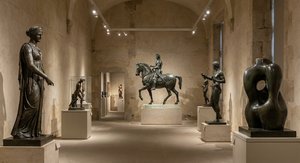
Bronze Sculptures That Defined Art History | AllPaintingsStore
Journey through art history with our Top 10 bronze sculptures! Explore masterpieces by Rodin, Michelangelo & more. Discover stories behind iconic statues and find museum-quality reproductions for your home decor at AllPaintingsStore.com.

