

Acrylic On Canvas.

§ 1Katalogo duomenys

Šis kūrinys yra saugomas autorinės teisės
Šiame puslapyje rodomas meno kūrinys yra saugomas autorių teisių įstatymais, todėl neturime teisės legaliai kurti ar parduoti jo identiškos reprodukcijos. Ši apsauga užtikrinama remiantis tokiais tarptautiniais susitarimais kaip Bernės konvencija ir pagal nacionalines įstatymų nuostatas, įskaitant tas, kurias nurodo JAV autoriškos teisės įstatymas – 17-asis skyrius.
Kaip pagarbią ir teisėtą alternatyvą, mes siūlome pagal užsakymą rankomis dažytus paveikslus, įkvėptus originalo. Mūsų įgudę ir profesionalūs menininkai kruopščiai tiria originalo stilių, nuotaiką ir meninę esmę, kad sukurtų naują, unikalią kūrinį, kuris sukelia tą paties jausmą – išlikdamas tuo tarciau originaliu, savarankišku kūrybiniu darbu.
Šis metodas visiškai atitinka autorių teises, nes jame nėra saugomo kūrinio kopijavimo ar dubliavimo. Tai yra kūrybinė reinterpretacija – naujas paveikslas, kurį įkvėpė originalas, tačiau kuris nėra jo identiškas.
 Skaityti daugiau
§ 2Abstraktus
Kolekcinio objekto aprašas
Autoriaus biografija
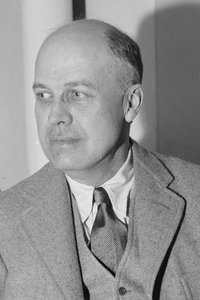
Edwardas Hoperis – amerikietis ekspresionistinis tapytojas, garsiai išgarsintas savo ikoninėmis drobėmis, tokiomis kaip „Nighthawks“ ir „Monhegan Houses“, kurių stiliumi įvyko XX a. Amerikos meno revoliucija.
§ 3Komentaras
A Portrait of Quietude: Exploring Edward Hopper’s “Untitled” (1943)
Edward Hopper's "Untitled," painted in 1943, stands as a quintessential emblem of American Modernism—a deceptively simple depiction that speaks volumes about the anxieties and solitude inherent in the mid-century experience. More than just a visual record of an office interior, it’s a masterful distillation of mood and atmosphere, achieved through Hopper's signature style and meticulous attention to detail. This essay delves into the multifaceted layers of meaning embedded within this iconic artwork, examining its stylistic innovations, historical significance, and enduring emotional resonance.- Style & Technique: Hopper’s approach is characterized by a stark realism tempered with an expressive use of light and shadow—a technique he honed during his formative years studying under William Merritt Chase and Robert Henri. The painting employs orthogonal perspective, emphasizing geometric lines that contribute to the feeling of detachment and isolation. Hopper meticulously renders textures – from the smooth surface of the desk lamp to the subtle sheen on the woman’s dress – creating a palpable sense of materiality despite the muted palette.
- Historical Context: Created during World War II, “Untitled” reflects the pervasive atmosphere of uncertainty and disillusionment gripping America at the time. The war effort demanded sacrifice and reshaped societal norms, leaving many individuals grappling with feelings of displacement and longing for connection. Hopper’s depiction captures this emotional landscape—the unspoken anxieties beneath the surface of everyday life—with remarkable sensitivity.
- Symbolism & Composition: The solitary figures within the office space are deliberately positioned to maximize visual separation, reinforcing the theme of isolation. The woman's gaze is averted, suggesting introspection and perhaps a yearning for something beyond her immediate surroundings. Similarly, the man’s absorbed reading posture symbolizes intellectual engagement but also underscores his detachment from the external world. The window serves as a crucial element—a portal to an idealized landscape that contrasts sharply with the sterile confines of the room, representing both possibility and unattainable beauty.
- Emotional Impact: Hopper's masterful manipulation of light creates a profound emotional impact. The lamp casts a warm glow onto the man’s desk, offering a flicker of comfort amidst the pervasive gloom—a visual metaphor for hope amidst despair. However, this warmth is undercut by the overall coolness of the scene, conveying a sense of melancholy and quiet contemplation. “Untitled” doesn't offer easy answers or comforting narratives; instead, it invites viewers to confront their own feelings about loneliness, ambition, and the complexities of human experience.
- Interior Design Considerations: From a design perspective, Hopper’s artwork serves as an inspiration for creating spaces that prioritize calm and understated elegance. The muted color palette—primarily browns and blues—harmonizes beautifully with natural materials like wood and linen. Incorporating similar architectural elements—such as windows framing expansive views—can evoke the same feeling of openness and contemplation captured in “Untitled,” fostering a sense of serenity within the home.
Klausimai ir atsakymai
Kokia yra „untitled (1943)“ paletės ryškumas?
„untitled (1943)“ – Edvardas Hoperis spalvų nasyginimas yra Subtle Color. Nasyginimas apibūdina, kokių spalvos yra ryškių arba išblukusių.
Kur galiu peržiūrėti „untitled (1943)“ išsamiai?
„untitled (1943)“ Peržiūra interjere puslapio funkcija leidžia peržiūrėti kūrinį prieš užsakant.
Koks yra rekomenduojamas „untitled (1943)“ spausdinimo formatas – koks dydis ir orientacija?
Dėl „untitled (1943)“ rekomenduojamas spausdinimo nustatymas yra Large dydžio ir Portrait orientacijos.


 Perjungti į spausdinamus版作品


 Dėl meno kūrinių ar reprodukcijų, kurių bet kuri pusė yra didesnė nei 105 cm (apie 41 inch), rėmas bus siunčiamas kaip išskaidytas surinkimo rinkinys. Šis metodas užtikrina saugų pristatymą ir apsaugo nuo transportavimo metu galimos žalos.


