

Oil On Canvas.

§ 1Katalogo duomenys

Šis kūrinys yra saugomas autorinės teisės
Šiame puslapyje rodomas meno kūrinys yra saugomas autorių teisių įstatymais, todėl neturime teisės legaliai kurti ar parduoti jo identiškos reprodukcijos. Ši apsauga užtikrinama remiantis tokiais tarptautiniais susitarimais kaip Bernės konvencija ir pagal nacionalines įstatymų nuostatas, įskaitant tas, kurias nurodo JAV autoriškos teisės įstatymas – 17-asis skyrius.
Kaip pagarbią ir teisėtą alternatyvą, mes siūlome pagal užsakymą rankomis dažytus paveikslus, įkvėptus originalo. Mūsų įgudę ir profesionalūs menininkai kruopščiai tiria originalo stilių, nuotaiką ir meninę esmę, kad sukurtų naują, unikalią kūrinį, kuris sukelia tą paties jausmą – išlikdamas tuo tarciau originaliu, savarankišku kūrybiniu darbu.
Šis metodas visiškai atitinka autorių teises, nes jame nėra saugomo kūrinio kopijavimo ar dubliavimo. Tai yra kūrybinė reinterpretacija – naujas paveikslas, kurį įkvėpė originalas, tačiau kuris nėra jo identiškas.
 Skaityti daugiau
§ 2Abstraktus
Kolekcinio objekto aprašas
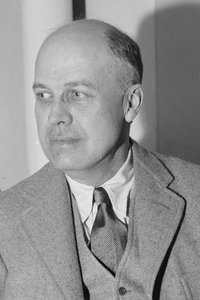
Edward Hopper’s "untitled (3823)" – a poignant portrait in warm tones & layered textures. Explore this evocative oil painting's realism & quiet contemplation.
Autoriaus biografija
Edwardas Hoperis – amerikietis ekspresionistinis tapytojas, garsiai išgarsintas savo ikoninėmis drobėmis, tokiomis kaip „Nighthawks“ ir „Monhegan Houses“, kurių stiliumi įvyko XX a. Amerikos meno revoliucija.
§ 3Komentaras
A Window Into Solitude: Examining Edward Hopper’s “untitled (3823)”
Edward Hopper's "untitled (3823)" isn’t merely a depiction of a woman; it’s a distilled essence of the American experience during his time—a quiet observation of human existence against the backdrop of urban isolation. Painted in 1956, this oil on canvas masterpiece exemplifies Hopper’s signature style: stark realism infused with subtle impressionistic touches that elevate it beyond simple representation. The painting immediately draws the eye to its central figure – a woman seated alone at a table bathed in diffused light—a scene instantly recognizable as emblematic of Hopper's oeuvre.Style and Technique: Impressionistic Realism
Hopper’s approach transcends traditional portraiture, prioritizing mood and atmosphere over meticulous detail. While rooted in realism, he employs techniques reminiscent of Impressionism, particularly evident in the loose brushstrokes that define the woman’s face, hair, and clothing. These strokes aren't intended to capture every nuance but rather to convey a sense of immediacy and emotion—a feeling of stillness punctuated by fleeting moments of observation. The artist skillfully utilizes impasto – applying paint thickly – creating textural richness and emphasizing the contours of form, notably in the woman’s skin tones and hair strands. This technique lends depth and luminosity to the canvas, mirroring Hopper's masterful manipulation of light.Historical Context: Mid-Century American Consciousness
“untitled (3823)” speaks powerfully to the anxieties and uncertainties of mid-century America—a period marked by rapid urbanization, social change, and a growing sense of alienation. Hopper’s work reflects the pervasive feeling of disconnection that characterized this era, capturing not just physical solitude but also psychological distance. The woman's posture – turned slightly away from the viewer – reinforces this impression of introspection and detachment. Furthermore, the muted color palette—dominated by earthy browns and blues—contributes to the painting’s melancholic tone, mirroring the pervasive mood of quiet contemplation that permeated Hopper’s artistic vision.Symbolism: The Fragmented Self
Beyond its visual elements, “untitled (3823)” carries symbolic weight. The woman herself represents a solitary figure grappling with internal thoughts and emotions—a reflection of the human condition itself. The table serves as a barrier between her and the outside world, symbolizing both physical separation and psychological confinement. Hopper’s deliberate framing emphasizes this sense of isolation, prompting viewers to consider themes of loneliness, introspection, and the complexities of modern life.Emotional Impact: A Moment Frozen in Time
Ultimately, “untitled (3823)” resonates with audiences because it captures a profound emotional truth—the quiet beauty of solitude and the poignant awareness of our own vulnerability. Hopper’s ability to convey these feelings through understated visual language is remarkable, creating an artwork that lingers in the mind long after viewing. It's a piece designed not for grand narratives but for intimate contemplation—a timeless reminder of the human experience at its most vulnerable yet undeniably compelling.Klausimai ir atsakymai
Kokią temą ir atmosferą sujungia „untitled (3823)“ – Edvardas Hoperis?
„untitled (3823)“ – Edvardas Hoperis vaizdelioje atspindžiami portrait, woman, solitude, reflection, urban scene, nostalgia, hopper, earth tones, sukurti Calm nuotaika. Tematika ir atmosfera kartu apibūdina šį kūrinį.
Kur galiu peržiūrėti „untitled (3823)“ išsamiai?
Norėdami peržiūrėti „untitled (3823)“ – Edvardas Hoperis reprodukciją, atidarykite kūrinio Peržiūra interjere puslapį.
Kokia „untitled (3823)“ – Edvardas Hoperis nuotaika yra apibūdinama?
Bendrąją „untitled (3823)“ – Edvardas Hoperis nuotaiką apibrėžia Calm. Ši nuotaika atspindi bendrą kūrinio atmosferą.


 Perjungti į spausdinamus版作品


 Dėl meno kūrinių ar reprodukcijų, kurių bet kuri pusė yra didesnė nei 105 cm (apie 41 inch), rėmas bus siunčiamas kaip išskaidytas surinkimo rinkinys. Šis metodas užtikrina saugų pristatymą ir apsaugo nuo transportavimo metu galimos žalos.


