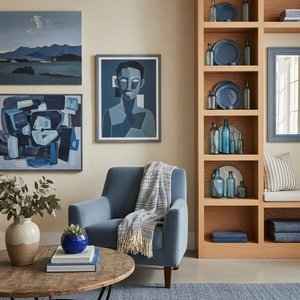
Oil On Canvas.

§ 1Catalogue data

Šis kūrinys yra saugomas autorinės teisės
Šiame puslapyje rodomas meno kūrinys yra saugomas autorių teisių įstatymais, todėl neturime teisės legaliai kurti ar parduoti jo identiškos reprodukcijos. Ši apsauga užtikrinama remiantis tokiais tarptautiniais susitarimais kaip Bernės konvencija ir pagal nacionalines įstatymų nuostatas, įskaitant tas, kurias nurodo JAV autoriškos teisės įstatymas – 17-asis skyrius.
Kaip pagarbią ir teisėtą alternatyvą, mes siūlome pagal užsakymą rankomis dažytus paveikslus, įkvėptus originalo. Mūsų įgudę ir profesionalūs menininkai kruopščiai tiria originalo stilių, nuotaiką ir meninę esmę, kad sukurtų naują, unikalią kūrinį, kuris sukelia tą paties jausmą – išlikdamas tuo tarciau originaliu, savarankišku kūrybiniu darbu.
Šis metodas visiškai atitinka autorių teises, nes jame nėra saugomo kūrinio kopijavimo ar dubliavimo. Tai yra kūrybinė reinterpretacija – naujas paveikslas, kurį įkvėpė originalas, tačiau kuris nėra jo identiškas.
 Skaityti daugiau
§ 2Abstract
Kolekcinio objekto aprašas
Explore Edward Hopper’s ‘untitled (8756)’ – a haunting oil painting of alienation & impending doom. Symbolism, Expressionist style, visible brushwork evoke anxiety & isolation.
Autoriaus biografija
Edwardas Hoperis – amerikietis ekspresionistinis tapytojas, garsiai išgarsintas savo ikoninėmis drobėmis, tokiomis kaip „Nighthawks“ ir „Monhegan Houses“, kurių stiliumi įvyko XX a. Amerikos meno revoliucija.
§ 3Commentary
A Portrait of Urban Isolation: Exploring Edward Hopper’s ‘untitled (8756)’
Edward Hopper's 'untitled (8756)' isn’t merely a depiction of a diner at night; it’s a masterful distillation of the anxieties and quiet desperation that characterized American modernism. Completed in 1942, amidst the backdrop of wartime uncertainty, this oil on canvas transcends its simple subject matter to become an enduring emblem of solitude—a feeling Hopper himself famously resisted acknowledging as central to his artistic vision. The painting’s power resides not just in its visual precision but also in its ability to conjure a palpable atmosphere of unease and unspoken longing.- Composition & Style: Hopper employs a flattened perspective, characteristic of Expressionism, prioritizing emotional resonance over photographic realism. Geometric shapes—rectangles for the figures and table—are strategically utilized to emphasize spatial limitations and contribute to the overall sense of confinement. The muted palette dominated by cool blues and greens reinforces the melancholic mood, mirroring the pervasive feeling of disillusionment prevalent during the period.
- Technique & Texture: Visible brushstrokes—a deliberate impasto technique—lend texture to surfaces like the clown’s costume and the woman's face, conveying a physicality that contrasts with the stillness of the scene. This textural richness isn’t merely decorative; it serves to heighten emotional impact and invites contemplation about the materiality of experience.
- Symbolism & Narrative: The figures themselves embody complex symbolic representations. The woman, seated rigidly, embodies composure yet hints at hidden vulnerability. The man stares blankly ahead, accepting his fate with passive resignation. Crucially, the clown—a jarring presence amidst the subdued tones—represents chaos and disruption, juxtaposed against the prevailing stillness. Hopper’s inspiration reportedly stemmed from Hemingway's stories, specifically “The Killers” and “A Clean, Well-Lighted Place,” reflecting a fascination with themes of alienation and psychological introspection.
- Historical Context: Painted during World War II, ‘untitled (8756)’ speaks to the anxieties of a nation grappling with uncertainty and confronting profound social shifts. Hopper’s depiction of urban life—a world increasingly disconnected from traditional values—captures the spirit of an era marked by disillusionment and introspection.
- Emotional Impact: Ultimately, ‘untitled (8756)’ evokes feelings of anxiety, isolation, and a pervasive sense that something fundamental is amiss. It’s a painting that lingers in the viewer's mind long after viewing, prompting reflection on themes of human connection and the unspoken burdens we carry within ourselves—a testament to Hopper’s unparalleled ability to convey profound emotion through subtle visual cues.
Klausimai ir atsakymai
Kokia spalva dominuoja „untitled (8756)“ – Edvardas Hoperis kompozicijoje?
Pagrindinė „untitled (8756)“ spalva – Espresso (#5c4f4c). Dominuojančia spalva padeda lengviau suderinti kūrinį su interjeru.
Iš ko ir kokiu stiliumi sukurta „untitled (8756)“?
„untitled (8756)“ – Edvardas Hoperis sujungia Oil On Canvas techniką su Expressionism stiliumi. Technika ir stilius apibūdina kūrinio gamybos būdą bei jo estetinį iš Ausdrucką.
Kokią emociją perteikia „untitled (8756)“ – Edvardas Hoperis?
Įtvirtinta „untitled (8756)“ – Edvardas Hoperis nuotaika yra Dramatic, o emocinis tonas – Melancholic.


 Perjungti į spausdinamus版作品


 Dėl meno kūrinių ar reprodukcijų, kurių bet kuri pusė yra didesnė nei 105 cm (apie 41 inch), rėmas bus siunčiamas kaip išskaidytas surinkimo rinkinys. Šis metodas užtikrina saugų pristatymą ir apsaugo nuo transportavimo metu galimos žalos.