Pinigų grąžinimo garantija · 100 dienų Nemokamas pristatymas į visas pasaulio valstybes
449.564kūriniai 30.613menininkai 4.660muziejai 32kalbos
Katalogo įrašas

rope runners

Watercolor.

Br. 1. Ernstas Ludvigas Kiršianas, rope runners. Rodoma kaip jūsų nurodyta reprodukcija: , .

§ 1Katalogo duomenys

§ 2Abstraktus

Kolekcinio objekto aprašas

Experience Ernst Ludwig Kirchner's 'Rope Runners'! This Expressionist masterpiece captures urban chaos with bold lines, vibrant colors, and evocative figures – a powerful emotional journey.

Autoriaus biografija

Ernst Ludwig Kirchneris (1880–1938) – žymusis Vokietijos ekspresionistas ir Die Brücke steigėjas. Išsiaiškinti jo ryškiusius emocijas iškviečiančius paveikslų kūriniais apie Berlyną, nuskaidrusis meno stiliumi ir istorinės reikšmės kontekstu.

§ 3Komentaras

A Storm of Color and Emotion: Unpacking Ernst Ludwig Kirchner’s “Rope Runners”

Ernst Ludwig Kirchner's "Rope Runners" isn’t merely a depiction of a cityscape; it’s a visceral plunge into the anxieties and frenetic energy of early 20th-century Germany. Painted in the heart of the Expressionist movement, this work explodes with a dynamic composition, dominated by bold lines, unsettling colors, and a deliberate distortion of reality. The scene unfolds as a chaotic tableau – tall, almost menacing cypress trees clawing at a bruised sky, punctuated by angular buildings that seem to lean precariously inward. Scattered figures, rendered in loose, sketchy brushstrokes, appear caught within this swirling vortex, their actions hinting at a frenzied activity, perhaps the very “rope running” suggested by the title itself. But beyond the literal subject matter lies a deeper current of unease and psychological intensity, reflecting Kirchner’s own struggles with modernity and the burgeoning sense of alienation that characterized his era.

The Language of Distortion: Form, Color, and Line

Kirchner's masterful manipulation of artistic elements is immediately striking. Traditional perspective vanishes entirely, replaced by an asymmetrical arrangement where buildings and trees are flattened and stylized – they exist more as emotional signifiers than accurate representations. The color palette is deliberately jarring; deep blues and greens wrestle with aggressive oranges and stark blacks, creating a sense of visual tension. These aren’t the harmonious hues of academic painting; instead, Kirchner employs color to amplify mood and convey feeling. Crucially, it's the lines that truly command attention. They are not used to define form or create smooth contours but rather to inject movement and energy into every element of the composition. Jagged, broken lines crisscross the canvas, overlapping and intersecting, mirroring the chaotic nature of the scene and contributing significantly to the overall sense of unease. The use of black outlines further emphasizes this dynamism, creating a dramatic contrast that pulls the viewer into the artwork’s turbulent world.

Echoes of Mourning and Modern Anxiety

The symbolic weight of "Rope Runners" is layered and complex. The prevalence of cypress trees – frequently associated with mourning and remembrance in European art – subtly introduces themes of loss and perhaps even a sense of impending doom. However, the scene isn’t simply melancholic; it's infused with an underlying current of anxiety and disorientation. The figures themselves are ambiguous, their actions unclear, suggesting a collective state of confusion or panic. Kirchner was deeply concerned with the psychological impact of modern life – the rapid industrialization, urbanization, and social upheaval that were transforming Germany at the turn of the century. "Rope Runners" can be interpreted as a visual representation of this anxiety, capturing the feeling of being overwhelmed by the forces of modernity. The title itself—"rope runners"—hints at a ritualistic or perhaps even desperate activity, adding another layer to the artwork’s enigmatic narrative.

A Window into Kirchner's World: Technique and Context

Kirchner’s technique is deliberately loose and expressive, prioritizing emotional impact over meticulous detail. He employs watercolor – or a similar translucent medium – allowing colors to bleed and blend, creating a sense of atmospheric depth while maintaining a relatively smooth texture overall. The layering of brushstrokes adds subtle variations in tone and opacity, enriching the visual experience. Born in 1880, Kirchner was deeply influenced by artists like Dürer and Munch, but he rejected academic conventions in favor of a more subjective and emotionally charged approach to art. He was a founding member of Die Brücke (The Bridge), an influential group of Expressionist painters who sought to break free from traditional artistic norms and explore the darker aspects of human experience. His work reflects this commitment to experimentation, challenging viewers to confront uncomfortable truths about themselves and their society. The Kirchner Museum in Davos offers invaluable insight into his life and oeuvre, providing a crucial context for understanding the emotional intensity of "Rope Runners."

Klausimai ir atsakymai

Kokia spausdinimo konfigūracija rekomenduojama kūriniui „rope runners“ – Ernstas Ludvigas Kiršianas?

Medium dydis, Square orientacija: tai rekomenduojamas spausdinimo nustatymas kūriniui „rope runners“ – Ernstas Ludvigas Kiršianas.

Ar galiu naudoti papildytojąjį realybės technologiją, kad pamatytumėte „rope runners“ – Ernstas Ludvigas Kiršianas savo kambaryje?

„rope runners“ – Ernstas Ludvigas Kiršianas puslapio Peržiūra papildintajai realybei funkcija naudoja papildytojąjį realybės technologiją, kad suderinamame įrenginyje parodytų kūrinį jūsų erdvėje.

Kokio išdėstymo formatas tinka kūriniui „rope runners“ – Ernstas Ludvigas Kiršianas?

Formatas (Square) ir rekomenduojama erdvė (Living Room) yra du nurodyti išdėstymo faktai kūriniui „rope runners“ – Ernstas Ludvigas Kiršianas.
§ 4Autorius

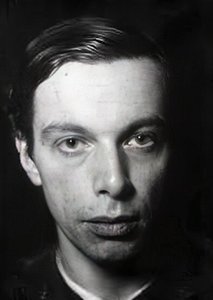
Ernstas Ludvigas Kiršianas

Ernstas Ludvigas Kiršianas

1880 - 1938, Գերմանիա

Trumpa informacija apie Ernstas Ludvigas Kiršianas

  • Artistic Movement Or Style: Expressionism
  • Artists Who Influenced This Artist:
    • Albrecht Dürer
    • Vincent van Gogh
    • Edvard Munch
  • Date Of Birth: 6 Mai 1880
  • Date Of Death: 15 Gruodžio 1938
  • Full Name: Ernst Ludwig Kirchner
  • Nationality: Germania
  • Notable Artworks:
    • The Street (1908)
    • Leaping Dancer (1912)
    • Self-Portrait (1910)
  • Place Of Birth: Aschaffenburg, Germania

Autoriaus biografija

Ernst Ludwig Kirchner (1880–1938): A Life Forged in Expression

Ernst Ludwig Kirchner, a name inextricably linked to the visceral heart of German Expressionism, wasn’t merely an artist; he was a conduit for anxieties simmering beneath the surface of early 20th-century Europe. Born into Bavaria's Aschaffenburg in 1880, his formative years were shaped by familial mobility – a constant shifting of landscapes dictated by his father’s profession as a paper scientist – fostering within him an inherent sense of displacement that would become a defining characteristic of his oeuvre. From Frankfurt to Perlen and finally settling in Chemnitz, Kirchner absorbed the palpable unease of a nation undergoing rapid modernization, imbibing influences from both philosophical currents and artistic precedents. Initially pursuing architecture at Dresden’s Königliche Technische Hochschule, he swiftly recognized painting as his true vocation—a path illuminated by admiration for masters like Albrecht Dürer and fueled by a resolute rejection of academic formalism. He found solace and camaraderie amongst fellow rebels – Fritz Bleyl, Karl Schmidt-Rottluff, Erich Heckel – forging bonds that would irrevocably alter the trajectory of twentieth-century art history.

The Genesis of Expression: Early Influences & Artistic Formation

Kirchner’s artistic journey began with a profound engagement with nature and observation—a habit instilled by his childhood spent amidst Bavaria's rolling hills. His father’s profession provided him with invaluable insight into the industrial landscape, shaping his worldview and informing his artistic sensibility. He honed his skills at Dresden’s Hochschule für Grafik und Buchdruckschule (School of Graphic Arts), immersing himself in draughtsmanship and perspective drawing—disciplines that would serve as foundational tools for his subsequent explorations. Crucially, Kirchner encountered kindred spirits who shared a fervent belief in the transformative power of art—particularly Fritz Bleyl, Karl Schmidt-Rottluff and Erich Heckel—who would become instrumental in establishing *Die Brücke*, an artistic collective dedicated to shattering conventional aesthetic boundaries. This formative encounter ignited his passion for experimentation and cemented his commitment to confronting societal anxieties through visual language. The influence of Dürer’s meticulous detail and compositional rigor, alongside the expressive dynamism of Vincent van Gogh's brushstrokes—particularly in his depiction of swirling skies—provided Kirchner with invaluable stylistic models.

Die Brücke: A Revolt Against Tradition

In 1905, Kirchner joined *Die Brücke* (“The Bridge”), a revolutionary artistic alliance that fundamentally challenged the prevailing aesthetic norms of German art. Alongside Bleyl, Schmidt-Rottluff and Heckel, Kirchner sought inspiration from sources deemed unacceptable by the established art world—primitive art from Africa and Oceania, mirroring the stylistic impulses of Edvard Munch—and championed bold color palettes and distorted forms as vehicles for conveying psychological turmoil. Rejecting idealized beauty, *Die Brücke* artists embraced dissonance and fragmentation to capture the anxieties inherent in modern urban life. Their manifesto declared a rejection of academic conventions and an affirmation of subjective experience—a stance that resonated deeply with Kirchner’s own worldview. The group's exploration of themes like loneliness, alienation and psychological instability reflected the broader cultural anxieties of the era. Notable works from this period include *The Street* (1908), which powerfully portrays the oppressive atmosphere of Berlin’s urban sprawl and captures the emotional detachment experienced by its inhabitants—a testament to Kirchner’s ability to distill complex psychological states into striking visual imagery.

Exploring Form & Emotion: Kirchner's Distinctive Style

Kirchner’s artistic style is instantly recognizable for its distinctive characteristics—primarily his masterful manipulation of color and brushstroke. He eschewed naturalistic representation, prioritizing emotional impact over accurate depiction—a deliberate rejection of Impressionist ideals. His palette employed vibrant hues that pulsed with intensity, mirroring the turbulent inner landscape he sought to convey. Kirchner’s brushstrokes were energetic and visible, contributing to a palpable sense of immediacy and dynamism—a technique honed through meticulous observation and experimentation. Figures and objects were frequently distorted or elongated, reflecting a subjective rather than objective reality—a stylistic choice that underscored his belief in portraying psychological truths. He drew inspiration from Henri Matisse's use of flattened planes of color and simplified forms, mirroring the stylistic impulses of Fauvism. Furthermore, Kirchner’s fascination with primitive art—particularly sculptures from Africa and Oceania—influenced his approach to form and texture—demonstrating a desire to reconnect with primal energies and reject academic conventions.

Legacy & Recognition: A Lasting Influence

Kirchner's artistic legacy extends far beyond the confines of Expressionism, influencing subsequent generations of artists who embraced bold experimentation and psychological depth. His unflinching portrayal of human experience—characterized by vulnerability, anxiety and a yearning for authenticity—continues to resonate powerfully with contemporary audiences. Despite facing persecution during the Nazi regime—where over 600 of his works were confiscated and deemed “degenerate”—Kirchner’s uncompromising artistic vision endured, securing him a prominent place in art history. His enduring influence can be seen in the work of artists across diverse mediums—from painting to sculpture to printmaking—solidifying his position as one of Germany's most significant modernist figures. Ernst Ludwig Kirchner died tragically in Davos, Switzerland, in 1938—a poignant reminder of the devastating consequences of artistic repression and a testament to the enduring power of art to confront societal injustices.

§ 5Panašūs darbai

§ 6Dėjiniai klausimai

Trumpa informacija

  • Influences:
    • Dürer
    • Van Gogh
  • Location: WahooArt.com
  • Notable elements: Bold lines, anxiety
  • Artistic style: Expressionist
  • Title: Rope Runners

Karo viktorina

Kiekviename klausime yra tik vienas teisingas atsakymas.

Klausimas 1:
What is the dominant style of ‘Rope Runners’?
Klausimas 2:
The color palette of 'Rope Runners' is most prominently characterized by:
Klausimas 3:
Which of the following best describes the use of lines in ‘Rope Runners’?
Klausimas 4:
Considering the title ‘Rope Runners’, what is a likely interpretation of the scene depicted?
Klausimas 5:
What artistic movement does Ernst Ludwig Kirchner’s style in ‘Rope Runners’ most closely align with?

§ 7Citavimo tekstas

AllPaintingsStore.com, “Ernstas Ludvigas Kiršianas, rope runners”, https://allpaintingsstore.com/lt/art/ernst-ludwig-kirchner-rope-runners-8LHTQR-en/ArtistReproduction/ (žiūrėta 7 spalis 2026).

§ 8Kopija

Rankų darbo aliejinės reprodukcijos

Rankiniu būdu tapytas aliejus ant droblio jūsų pageidaujamame dydį ir rėmuose – tai mūsų menininkų pagal užsakymą sukurtas darbas. ( Perjungti į spausdinamus版作品 Perejti prie skaitmeninių vaizdų)

Tai nurodyta užsakymo lapelyje šurinkėje; šio lapelio dabartinė būklė tokia:

rope runners

Reprodukcijos technika

Reprodukcijos matmenys

-

Aukščiausios klasės meistras

Daugiau detalių, meistriškumo ir papildomo gamybos laiko

-

Reprodukcijos rėmėjimo parinktys

-

-

Dėl meno kūrinių ar reprodukcijų, kurių bet kuri pusė yra didesnė nei 105 cm (apie 41 inch), rėmas bus siunčiamas kaip išskaidytas surinkimo rinkinys. Šis metodas užtikrina saugų pristatymą ir apsaugo nuo transportavimo metu galimos žalos.

Reikalingas profesionalus surinkimas – tai nėra „pasidaryk pats“ (DIY) produktas.
Rinkinys turi būti surinktas, o drobė išplėsta naudojant patyrį profesionalų rėmininką, medžio klijus (nėra įtraukti į rinkinį), drobės plėšimo kleslę bei presas, kad rėmo rėžiai išliktų tiesūs, kol klijai išdžiūvus. Netinkamas surinkimas arba netolydus drobės įtampa gali negrįžtamai sugadinti meno kūrinį, todėl šie atvejai nėra užtraukiami mūsų garantijos.

  • Į komplektą įeina visi vientisos medienos elementai, tiksliai išpjauti pagal dydį.

  • Surmontinama naudojant pridėtus varžtus bei papildomai reikalingą medžio kliją kampų jungtims, kuris nėra pridėtas ir turi būti parinktas rėmininkui.

  • Reikalingi profesionalūs įrankiai, kurie nėra įtraukti į rinkinį: drobės kėlimo plytelės (stiprintuvai) ir klemiai, laikantys rėmo strygius tiesiu kampu, kol džiūsta lipas.

Svarbu:
Kampų jungtims reikalingi medžio klijai, barams reikia laikyti naudojant presas, kol klijai visiškai išdžiūvės, o surinktam rėmui įtempiamai privilgti būtinos drobės įtempimo plytযুক্ত. Šios priemonės į rinkinį neįtrauktos. Prieš užsakydami šio dydžio rinkinį, rekomenduojame pasimalkoti patyrusiu rėmų meistru.

Pavadinimo lentelė

-

-

Apsauginis lakas

Blizgus lakas (ryškina spalvas, saugo nuo šviesos ir drėgmės)

-

Personalizuoti kūrinį

Ką galima pakeisti (pavyzdžiui): pakeisti veidą klientui skirta nuotrauka; pridėti augintinį (pvz., katę pakeisti šuniu); įtraukti paslėptą žinutę fone; pakeisti fono kraštovaizdį ar elementus.

-

Skubiai

Pristatymas visame pasaulyje () per 3–4 savaites, o ne įprastai – per 5 savaites. (4 lapkritis). Kokybė lieka nepakeičiama.

-

Skubus pristatymas

Pristatymas visame pasaulyje () per 5 weeks. (11 lapkritis).

Įskaičiuota

Bendroji kaina

€ 229

Pridedama prie kiekvieno užsakymo

  • Nemokamas greitasis pristatymas visame pasaulyje
  • Aukštos kokybės lininis drobė
  • Pilnas siuntimo draudimas
  • Muitinės mokesčių grąžinimo garantija
  • Tikro spalvų atitikimo garantija
  • 100 dienų grąžinimo politika (tik esant įtaigoms)
  • 100% pinigų grąžinimo garantija
  • Nuolaida dideliems užsakymams
Užsakymų lapas