

Cubism · 1920
Machine elements (Fernand Léger, 1920)
Machine elements yra Fernand Léger (1881–1955) kūrinys. Šis kūrinys datuojamas 1920 m. Šis kūrinys priklauso Cubism kieruliui. Pagaminta naudojant Oil On Canvas.
- 1920
- Oil On Canvas

 Peržiūrėti
 Peržiūrėti AR realybėje
 Spausdintas vaizdas Rankinio darbo aliejinės imitacijos paveikslas Skaitmeninis vaizdas
 Pasidalinti
 Dalintis
 Informacinė lLapelė
 Pridėti į mėgstamiausius

 Atsisiųsti
 Panašūs eksponatai
 Rentgeno spindulių nuotrauka
 Automatinė diorama
 Klausimai ir atsakymai
 Prezentacija
 Statistika
Machine elements: pagrindiniai duomenys
- Pavadinimas
- Machine elements
- Autorius
- Fernand Léger (1881–1955)
- Autorius gimęs
- Argentan, Prancūzija
- Data
- 1920
- Technika
- Oil On Canvas
- Judėjimas
- Cubism
- Laikotarpis
- Modern
- Tema
- machine elements, cubism, geometry, industrial art, dynamism, futurism
Ką vaizduoja Machine elements?
A Symphony of Steel and Geometry
The year 1920 marked a profound shift in the visual language of modernity, and few works capture this seismic transition as vibrantly as Fernand Léger’s Machine Elements. At first glance, the viewer is confronted by a rhythmic, almost percussive arrangement of mechanical fragments that seem to pulse with the energy of a factory floor. The composition is anchored by a commanding wheel, its surface adorned with striking red and white stripes that draw the eye into a swirling vortex of industrial motion. This is not merely a depiction of objects; it is a Cubist vision where the boundaries between organic life and mechanical precision begin to blur. Through the clever fragmentation of form, Léger invites us to witness a world being reconstructed by the very gears and cogs that define our era, transforming static canvas into a dynamic, breathing landscape of progress.The Art of the Industrial Pulse
Léger’s technique in Machine Elements serves as a masterclass in the application of Cubist principles to celebrate the machine age. Moving away from the soft, ethereal qualities of Impressionism, he employs a bold, structural approach characterized by interlocking planes and sharp, defined edges. The artist utilizes oil on canvas with a deliberate, tactile presence, often applying paint in a way that suggests the weight and solidity of metal and iron. By dissecting familiar objects—a clock face, a chair, various smaller wheels—and reassembling them into an intricate visual tapestry, he creates a sense of spatial illusion that defies traditional perspective. This method allows the viewer to experience multiple viewpoints simultaneously, mirroring the fragmented, fast-paced perception of life in an increasingly urbanized and mechanized society.A Legacy of Modernity for the Contemporary Space
Beyond its technical brilliance, Machine Elements carries a profound emotional resonance that continues to captivate collectors and interior designers alike. It stands as a testament to the era's optimism and the relentless drive of human innovation. For those seeking to infuse a contemporary interior with character, this piece offers a sophisticated blend of bold color and structural harmony. The interplay of primary tones and geometric precision makes it an ideal focal point for spaces that value avant-garde aesthetics and intellectual depth. Owning a high-quality reproduction of this masterpiece is more than an act of decoration; it is an invitation to bring the enduring spirit of the industrial revolution into the modern home, celebrating a time when art and industry danced together in a beautiful, complex embrace.Machine elements: vaizdo failai

Parengta iš didelės išteklio vaizdo, esančio mūsų duomenų bazėje, o ne iš internetinio vaizdo: minimumas 300 DPI. Spalvos patikrintos atitiktis originalui, failas retušuotas skaitmeninio ekspertas.
Pirkti didelės raiškos vaizdąFernand Léger, Machine elements (1920).
Fernand Léger (1881–1955), Machine elements, 1920, oil on canvas. Viešoji domenė Vaizdas: AllPaintingsStore.com.
Dalykai apie Machine elements
Kuriem metais buvo sukurta „Machine elements“ – Fernand Léger?
„Machine elements“ – Fernand Léger sukurtas 1920 m.
Kokia technika buvo panaudota kūriniam darbui „Machine elements“ – Fernand Léger?
„Machine elements“ – Fernand Léger technika – Oil On Canvas. Kopijos siekia atkartoti šios technikos vaizdą.
Kokios temos atsispindi kūrynioje „Machine elements“ – Fernand Léger?
„Machine elements“ – Fernand Léger temos apima machine elements, cubism, geometry, industrial art, dynamism, futurism, composition. Kartu jie apibendrina šio kūrinio tematiką.
Ar „Machine elements“ – Fernand Léger priklauso viešosios teisės domenui?
Autorių teisių statusas kūriniui „Machine elements“ – Fernand Léger: kūrinys priklauso yra viešosios erdvės dalis – jo autorinė teisė pasibaigusi. Tai nulemia, ar galima laisvai reprodukciuoti šį vaizdą.
Kas yra „Machine elements“ kūrybos autorius?
„Machine elements“ priskiriamas Fernand Léger.
Kokio meno kryžmės dalis yra „Machine elements“ – Fernand Léger?
„Machine elements“ – Fernand Léger priklauso Cubism stiliui. Ši dailės kryptis suteikia kūriniui stilistinį kontekstą.
Kokio Fernand Léger kūrybos laikotarpio priklauso „Machine elements“?
„Machine elements“ atspindi Fernand Léger kūrybinį laikotarpį Mature Period.
Kokia buvo Fernand Léger amžius sukuriant „Machine elements"]?
Fernand Léger kūrė „Machine elements“ būdamas 39 metų amžiaus. Jis/ji gimė 1881, o darbas datuotas 1920 m.
Kokia yra autorinės teisės situacijos priežastis kūriniam darbui „Machine elements“ – Fernand Léger?
Autorinės teisės statusas kūriniui „Machine elements“ – yra viešosios erdvės dalis – jo autorinė teisė pasibaigusi – nustatomas remiantis to, kad menininkas mirė 1955 m.
Apie Fernand Léger
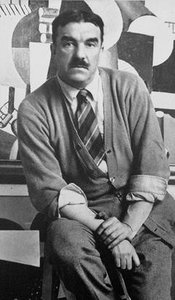
1881–1955, Prancūzija
Fernand Léger
Fernand Léger: Mašinos Amžius Ant Drobelės Josefas Fernanas Anri Ležė, gimęs 1881 m. vasario 4 d. nuošaliame Argentano miestelyje Normandijoje, Prancūzijoje, buvo menininkas, kurio kūryba atspindi ir apibūdina modernumo erą – mechanizacijos, industrializacijos ir naujų technologijų triumfo laikotarpį. Jo kelionė nuo kaimo vaikystės iki Paryžiaus avangardo sūnaus yra įkvepiantis pasakojimas apie meninę viziją ir neprilygstančią norą užfiksuoti šiuolaikinio pasaulio esmę.
Visi Fernand Léger darbai, su dydžiais ir kainomis → Autoriaus puslapis Žinomi Fernand Léger darbai
Kiti Fernand Léger darbai
 Miestas1919
 Mechanikas1920
 Tris Vyrai1921
 Žmogės miške1910

Straipsniai apie Machine elements
 10 Iconic Masterpieces That Defined Geometric AbstractionAmidst the radical global transformations of the early 20th century, artists moved beyond representation to find the mathematical heartbeat…
 Mastering the Machine Age: The Top 25 Fernand Léger Artworks1919 saw the birth of The City, where Léger replaced organic textures with the rhythmic, mechanical symphony of the industrial machine age.…
 Steel & Soul: 10 Powerful Artworks That Capture the Industrial VibeAndy Warhol’s 1982 Crosses uses thirteen varying shapes to mirror mass production. Compare this to the rhythmic pulse of Fernand Léger’s Th…