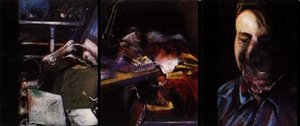
1972. Acrylic On Canvas.

§ 1Catalogue data


Šis kūrinys yra saugomas autorinės teisės
Šiame puslapyje rodomas meno kūrinys yra saugomas autorių teisių įstatymais, todėl neturime teisės legaliai kurti ar parduoti jo identiškos reprodukcijos. Ši apsauga užtikrinama remiantis tokiais tarptautiniais susitarimais kaip Bernės konvencija ir pagal nacionalines įstatymų nuostatas, įskaitant tas, kurias nurodo JAV autoriškos teisės įstatymas – 17-asis skyrius.
Kaip pagarbią ir teisėtą alternatyvą, mes siūlome pagal užsakymą rankomis dažytus paveikslus, įkvėptus originalo. Mūsų įgudę ir profesionalūs menininkai kruopščiai tiria originalo stilių, nuotaiką ir meninę esmę, kad sukurtų naują, unikalią kūrinį, kuris sukelia tą paties jausmą – išlikdamas tuo tarciau originaliu, savarankišku kūrybiniu darbu.
Šis metodas visiškai atitinka autorių teises, nes jame nėra saugomo kūrinio kopijavimo ar dubliavimo. Tai yra kūrybinė reinterpretacija – naujas paveikslas, kurį įkvėpė originalas, tačiau kuris nėra jo identiškas.
 Skaityti daugiau
§ 2Abstract
Kolekcinio objekto aprašas
Explore Francis Bacon's poignant 'Triptych August 1972,' commemorating Dyer’s suicide with unsettling depictions of vulnerability and existential despair—a masterpiece reflecting trauma and loss.
Autoriaus biografija
Atraskite Franso Bekono (1909–1992) paveikslus – ekspresyvų figūrinį portretų seriją, kuriame dominuoja iškreiptos formos ir egzistenciniai motyvai. Šis reikšmingas XX a. dailininkas suformavo modernaus meno kryptį.
§ 3Commentary
A Descent Into Darkness: Exploring Francis Bacon’s ‘Triptych August 1972’
Francis Bacon's 'Triptych August 1972', painted in 1972, stands as a haunting testament to grief and existential despair—a visceral exploration of trauma rendered with unparalleled artistic mastery. More than just a depiction of George Dyer, Bacon’s lover who tragically succumbed to suicide on October 24th, 1971, the triptych embodies the artist's profound preoccupation with mortality and the inescapable burden of memory during a period marked by immense personal upheaval. It is a work that compels viewers to confront uncomfortable truths about human vulnerability and the relentless march of time.- Subject Matter: The central panel portrays Dyer in repose on a chair, his head bowed downwards—a posture conveying profound sorrow and defeat. Alongside him are two wing panels featuring photographs of Dyer taken by John Deakin, capturing him in similar poses, albeit imbued with an unsettling dynamism. These images serve as anchors to the emotional core of the piece.
- Style & Technique: Bacon’s signature style—characterized by distorted figures and grotesque forms—is powerfully evident here. Employing oil paint mixed with sand on three canvases, he achieves a textured surface that amplifies the painting's unsettling atmosphere. The monochromatic black background dominates each panel, intensifying the sense of isolation and amplifying the psychological impact of Dyer’s presence.
- Historical Context: Painted shortly after Dyer’s death, ‘Triptych August 1972’ reflects Bacon’s deeply personal response to loss—a reaction fueled by his own tumultuous life marked by failed relationships and recurring anxieties about death. It aligns with the broader artistic landscape of the postwar era, where artists wrestled with themes of trauma and disillusionment amidst the ruins of optimism.
- Symbolism: The black paint itself symbolizes darkness, grief, and oblivion—a deliberate choice mirroring Bacon’s internal state at the time of creation. Dyer's posture embodies vulnerability and surrender to fate, while the photographs serve as reminders of a vanished intimacy. The overall composition evokes a sense of inescapable confinement and underscores the futility of resisting mortality.
- Emotional Impact: Viewing ‘Triptych August 1972’ is an emotionally challenging experience. Bacon's masterful manipulation of form and color generates a palpable feeling of unease—a confrontation with the darkest recesses of human emotion. The painting lingers in the mind long after viewing, prompting contemplation on themes of loss, remembrance, and the inescapable realities of existence.
Further Exploration & Artistic Influence
As documented in Tate Britain’s exhibition catalogue, ‘Triptych August 1972’ exemplifies Bacon's commitment to confronting uncomfortable truths about human experience—a cornerstone of his artistic legacy. Influenced by Surrealism and Expressionism, Bacon pushed the boundaries of figurative painting, rejecting idealized representations in favor of visceral depictions that capture psychological torment with unflinching honesty. The triptych stands as a pivotal work within Bacon’s oeuvre, solidifying his reputation as one of the most significant artists of the 20th century. Its enduring power resides in its ability to provoke profound emotional responses and inspire ongoing dialogue about art's capacity to grapple with existential anxieties.Reproductions & Decorative Considerations
High-quality reproductions of ‘Triptych August 1972’ offer an opportunity to experience Bacon’s artistic vision within the context of contemporary interior design. Consider framing options that complement the painting's somber palette—matte black frames can enhance its dramatic effect, creating a sophisticated and contemplative space. When selecting a reproduction, prioritize archival quality prints using pigment inks to preserve color accuracy and ensure longevity. This artwork is best appreciated in environments where it can serve as a focal point for reflection and contemplation – spaces designed to foster introspection and evoke the profound emotional resonance of Bacon’s masterpiece.Klausimai ir atsakymai
Ar „Triptych August 1972“ pasižymi stipriais šviesos ir tamsos kontrastais?
Šviesos ir tamsos kontrastas kūriniame „Triptych August 1972“ yra nurodytas kaip Statement. Kontrastas aprašo, kaip stipriai skiriasi šviesios ir tamsios sritys.
Kokios temos atsispindi kūrynioje „Triptych August 1972“ – Fransis Bekonas?
„Triptych August 1972“ – Fransis Bekonas temos apima memory, suicide, portraiture, existentialism, pain, isolation, black paint. Kartu jie apibendrina šio kūrinio tematiką.
Kas sukūrė „Triptych August 1972“?
„Triptych August 1972“ priskiriamas Fransis Bekonas.



 Perjungti į spausdinamus版作品


 Dėl meno kūrinių ar reprodukcijų, kurių bet kuri pusė yra didesnė nei 105 cm (apie 41 inch), rėmas bus siunčiamas kaip išskaidytas surinkimo rinkinys. Šis metodas užtikrina saugų pristatymą ir apsaugo nuo transportavimo metu galimos žalos.