


 Peržiūrėti realaus dydžio版
 Siųsti
 Dalintis
 Išsamiau
 Vadovas

 Atsisiųsti
 Panašūs eksponatai
 Rentgeno spindulių nuotrauka
 Diaporama
 Statistika
Tavern Scene
 Acrylic On Canvas
- WallArt
- Baroque Painting
 1655
1655 37.0 x 32.0 cm
 Metropolitano muziejus
 Rodyti daugiau
Rankų darbo aliejinės reprodukcijos
Rankiniu būdu tapytas aliejus ant droblio jūsų pageidaujamame dydį ir rėmuose – mūsų menininkų darbas pagal užsakymą. ( Perjungti į spausdinimą Perejti prie skaitmeninių vaizdų)




P118B €10

P118H €10

P118W €10

P438Z €10

P508JH €12

P508YH €12

P805H €10

P805Z €10

P919BZ €10

P919G €10

P919XJ €10

P959ZH €10

P968JZ €12

W106C €8

W218G €10

W218JH €8

W218Y €10

W307PJ €10

W316G €10

W316PJ €8

W316Y €10

W398PJ €8

W4111J €10

W500HY €15

W500JH €15

W692G €12

W849H €8

W940BG €15

W953PJ €8




Pasirinkite iš mūsų nustatytų dydžių, atitinkančių originalaus meno kūrinio proporcijas.

Įveskite jums reikiamą plotį ir aukštį, kad paveikslas atitiktų jūsų rėmą ar sieną. Kadangi šis darbas yra rankinio darbo, siekiant išgauti kitokio formos dydį, paveikslas gali būti šiek tiek didesnis (nuo kraštų bus palikta daugiau erdvės) arba mažesnis – pasirinkite jums patogiausią variantą. Prieš pradedant tapyti, atsiųsime jums skaitmeninį maketą patvirtinimui. Šioje puslapio nuotraukoje matomas vaizdas nėra galutinis rezultatas – jį parodys tik sukurtas maketas.
Gavus užsakymą, AllPaintingsStore.com komanda susisieks su klientu el. paštu dėl instrukcijų ir pateiks maketo pavyzdį
Pristatymas visame pasaulyje () per 3–4 savaites, o ne įprastai – per 5 savaites. (23 spalis). Kokybė lieka nepakeičiama.

Nemokamas greitasis pristatymas visame pasaulyje

Aukštos kokybės lininis drobė

Pilnas siuntimo draudimas

Muitinės mokesčių grąžinimo garantija

Tikro spalvų atitikimo garantija

100 dienų grąžinimo politika (tik esant įtaigoms)

100% pinigų grąžinimo garantija

Nuolaida dideliems užsakymams
 Stiklo variantas prieinamas tik pasirinkus dydį iki 110 cm

Tavern Scene
Reprodukcijos technika
Reprodukcijos dydis
-


Visų pasirinktų variantų kaina
€ 227
Gabriel Metsu’s “Tavern Scene”: A Window into Dutch Golden Age Life
Gabriel Metsu's "Tavern Scene," painted around 1655, isn’t merely a depiction of a room; it’s a meticulously crafted snapshot of 17th-century Dutch society – a microcosm brimming with subtle social commentary and artistic innovation. The painting, now housed in the National Gallery of Ireland, offers a rare glimpse into the daily lives of ordinary people within the opulent context of the Dutch Golden Age, a period renowned for its burgeoning wealth, artistic flourishing, and complex social dynamics. Metsu’s work stands apart from his contemporaries not through grand scale or dramatic gesture, but through an almost unnerving intimacy and a remarkable ability to capture the quiet moments of human interaction.
The scene itself unfolds within a modestly furnished tavern room, bathed in the warm glow of candlelight. Two figures dominate the composition: a man seated at a chair, engaged in conversation with a woman who stands beside him. Around them, a carefully arranged tableau vivant – a bowl and cup on a table, a book resting nearby, a clock hanging on the wall – suggests a comfortable, if slightly cluttered, domestic setting. Yet, it’s not simply a portrait of two individuals; Metsu masterfully employs light and shadow to create a sense of depth and atmosphere, drawing the viewer into this intimate space. The details are astonishingly precise: the texture of the fabrics, the gleam of the pewter cup, the subtle wrinkles on the faces of the figures – all rendered with an almost photographic realism that was characteristic of the Dutch Masters.
The Artist’s Eclectic Style and Early Influences
Gabriel Metsu's artistic identity remains somewhat enigmatic. He resisted categorization, earning the label “a highly eclectic artist,” a testament to his broad range of interests and techniques. While he produced history paintings, portraits, and genre scenes, it was in the realm of domestic interiors – particularly tavern scenes – that he truly excelled. His work reflects a deep engagement with the artistic currents of his time, drawing inspiration from masters like Rembrandt and Vermeer, yet forging his own distinct style. Early influences are believed to have come from his upbringing in Leiden, where he was exposed to diverse cultural traditions and artistic practices.
Metsu’s approach was marked by a meticulous attention to detail and an uncanny ability to capture the nuances of human emotion. He frequently employed small-scale panels, allowing him to focus on intimate scenes and individual characters. His use of light is particularly noteworthy – it's not merely functional but serves to illuminate the subjects and create a sense of drama within the confined space of the tavern. The composition itself is carefully balanced, with each element contributing to the overall harmony of the scene.
Symbolism and Social Commentary
Beyond its technical brilliance, “Tavern Scene” is rich in symbolic meaning. The arrangement of objects – the bowl, cup, book, and clock – speaks to the rhythms of daily life and the importance of leisure activities within Dutch society. The presence of a world map on the wall hints at the burgeoning global trade networks that fueled the nation’s prosperity. However, Metsu doesn't simply offer a straightforward depiction of tavern life; he subtly critiques the excesses and moral ambiguities of the era.
The inclusion of a gambling scene, with dice and playing cards scattered on the table, suggests the prevalence of gambling and its potential for ruin. The presence of a woman in a provocative pose, alongside a young man engaged in conversation, hints at the complexities of social relationships and the temptations of the flesh. Even seemingly innocuous details – such as the old shoes near the doorway – carry symbolic weight, reminding us of the passage of time and the inevitability of aging. The painting’s final detail, the letter addressed to the painter, is a clever device that invites the viewer to contemplate the artist's own role within this social tableau.
A Legacy of Intimacy and Observation
“Tavern Scene” stands as a testament to Gabriel Metsu’s extraordinary talent and his profound understanding of human nature. It’s a painting that rewards careful observation, inviting viewers to linger over its details and decipher its subtle symbolism. More than just a depiction of a tavern, it's a window into the social, cultural, and psychological landscape of 17th-century Holland – a period of remarkable artistic achievement and profound societal change. Reproductions of this captivating work offer a tangible connection to this fascinating era, allowing us to appreciate Metsu’s unique vision and his enduring legacy as one of the most accomplished artists of the Dutch Golden Age.
问答 (or more naturally for a website heading): Klausimai ir atsakymai
Kiek ryški yra „Tavern Scene“ spalva?
„Tavern Scene“ spalvos nasyginimas yra Muted, o intensyvumas – Monochromatic.
Kokia spalva dominuoja „Tavern Scene“, autorius – Gabrielis Mecsu kompozicijoje?
Phthalo Green (#281b19) yra pagrindinė kūrinio „Tavern Scene“, autorius – Gabrielis Mecsu spalva.
Koks yra rekomenduojamas „Tavern Scene“ spausdinimo formatas – koks dydis ir orientacija?
Dėl „Tavern Scene“ rekomenduojamas spausdinimo nustatymas yra Medium dydžio ir Portrait orientacijos.
Susiję kūriniai


Autoriaus biografija
**gyvenimas meneinėms paieškoms**
gabriël metsu, olandų dailininkas iš Nyderlandų, gyveno ypatingą gyvenimą, pasižymintį menine kūrybiškumu ir inovacijomis. Gimęs 1629 metais, Metsu kūrinys įkūnijo olandų aukso amžiaus dvasią – laikotarpį, garsėjantį neįtikėtinu meniniu gausumu. Ši biografija kviečia prisijungti prie naratyvo apie šią paslaptingą asmenybę, kurios indėlis į meno pasaulį iki šiaurės dieną kelia susižavėjimą.**ankstyvasis gyvenimas ir įtakos**
Metsu gimė 1629 metais, kaip Jacques Metso – taperių meistro ir dailininko, kilusio iš Hainault, sūnus. Ši įvairiapusis kilmės istorija tikriausiai paskatino Gabrielį anksti susidomėti įvairiais meniniais technikos elementais. Persikėlimas į Leiden, kur suaugė Metsu, atvėrė jam duris į įvairias kultūrinsio pasaulio įtminas.**meninė karjera**
Metsu kūrybinė kelionė pasižymėjo atmetimu bet kokios vienos stiliaus ar technikos; tai pelnino jam „labai eklektiško dailininko“ titulą. Jo darbai apėmė istorinius paveikslus, stillifonus, portretus ir žanrinę tapybą. Įspūdingas yra tas faktas, kad tik 14 iš 133 jo darbų turi datą, todėl daug ko dar lieka nežinoma apie jo kūrybinį procesą.- rembrand van rijn įtaka Metsu ankstyvojo kūrybos laikotarpiui yra akivaizdi, ypač tai jautama jo taikuose šviesos ir spalvos naudojime.
- Metsu persikėlimas į Amsterdamą 1655 metais pažymėjo esminį stiliaus lūžį, kai kūryboje daugiau dėmesio pradėta skirti buitiniams interjerams ir žanrinėms scenoms.
- Jo mokymasis pas Michiel van Musscher ir Joost van Geel atspindi jo ryšį su tuo samtos meno bendruomente.
**pastebimiausi darbai ir palikimas**
Metsu paveiksluose dažnai matomos jaunos moterys, rinkinio scenos bei seniai žmonės, kur kūrinys remiasi populiariais emblematiniais prasmėmis. Ryškus pavyzdys yra skrupūčiai pardavėja, kuri demonstruoja jo gebėjimą naudoti simbolizmą. pagrindiniai darbai:- sergantis vaikas (apie 1664 m.), atspindintis Metsu susižavėjimą Vermeerio kūryba.
- hinlopen šeimos portretas – meistriškas darbas, sujungiantis žanrinę ir portretinę tapybą.
**muziejai ir kolekcijos**
Metsu kūriniai galima rasti įvairiuose muziejuose, įskaitant Amsterdamo Rijksmuseum. Norėdami sužinoti daugiau apie jo meną ir pažinti kitus olandų aukso amžiaus dailininkus, apsilankykite /lt/art/show/art-d3c627-lt/ ir pasikraustykite išsamią apžvalgą. Išvada: Gabriel Metsu gyvenimas ir menas yra olandų aukso amžiaus inovacijų dvasios įrodymas. Jo eklektiškas stilius, nors kartais ir paslaptingas, paliko neištriniamą žymę meno pasaulyje. Toliej atskleisdami daugiau apie jo gyvenimą ir kūrybą, mes vėl prisimename gilią įtaką, kurią jis turėjo Vakarų meno vystymui.- Gilesniam olandų aukso amžiaus supratimui kreipkitės į [https://en.wikipedia.org/wiki/dutch_golden_age_painting](https://en.wikipedia.org/wiki/dutch_golden_age_painting).
- Tyrinėkite daugiau Metsu darbų ir jo samtvorių darbus adresu [https://AllPaintingsStore.com/@/gabriel-metsu](https://AllPaintingsStore.com/@/gabriel-metsu).
**šaltiniai:**
- the house of orange-nassau historic collection trust (Haga, Nyderlandai), [https://AllPaintingsStore.com/@@/a@d3ccx5](https://AllPaintingsStore.com/@@/a@d3ccx5).
- Van Gogh muziejus (Nyderlandai) – ramybės uostas meilės menui, [https://AllPaintingsStore.com/@@/a@d3c8x3](https://AllPaintingsStore.com/@@/a@d3c8x3).
- olandų aukso amžiaus tapyba, [https://en.wikipedia.org/wiki/dutch_golden_age_painting](https://en.wikipedia.org/wiki/dutch_golden_age_painting).

Gabrielis Mecsu
1629 - 1667 , Nyderlandai
Trumpa informacija apie kūrėją
- Gimimo Data: 1629
- Gimimo Vieta: Leiden, Nyderlandai
- Menininkai, Kuriuos Įtakojo:
- Michiel van Musscher
- Joost van Geel
- Meninis Stilius: Nyderlandų aukso amžius
- Mirties Data: 1667
- Pilietybė: Olandietis
- Pilnas Vardas: Gabriel Metsu
- Įtakoję Menininkai:
- Rembrandt van Rijn
- Johannes Vermeer
- Žymiausi Darbai:
- The Sick Child
- Poultry Seller
- Portrait of the Hinlopen Family
Susiję straipsniai

Golden Light & Dutch Skies: The Timeless Magic of Dutch Golden Age Landscapes
Discover the breathtaking beauty of Dutch Golden Age landscapes. Explore the mastery of light, chiaroscuro, and 17th-century realism through an expert art history lens, celebrating the enduring legacy of the Dutch Masters for discerning collectors and art lovers.

Illuminating Innovation: Exploring the Dutch Golden Age of Painting
Explore the Dutch Golden Age of painting with AllPaintingsStore. Discover Rembrandt, Vermeer & other Masters. Learn about key characteristics, iconic artworks, and lasting influence. Expert insights for collectors & enthusiasts.
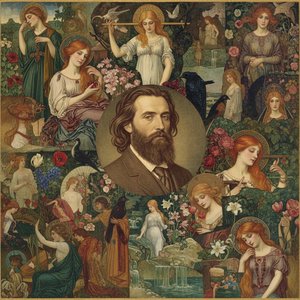
Dante Gabriel Rossetti: 25 Šedevrai, Įkvėpę Kartas | AllPaintingsStore.lt
Atraskite 25 įspūdingiausius Dante Gabriel Rossetti šedevrus! Išsami analizė, meno istorija ir įkvėpimas interjerui. Reprodukcijos aliejumi – prerafaelitų klasika jūsų namams. Explore the full collection online!
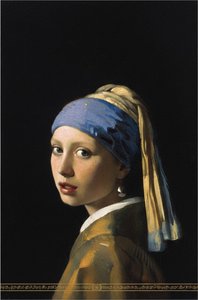
Olandijos Aukso Amžius: 10 Šedevrų, Apibrėžiančių Meną ir Stilių
Atraskite Olandijos Aukso Amži\u017us meninius šedevrus! 10 legendin\u017iŴ paveikslžiai – Rembrandto, Vermeerio ir kt. darbai. Sužnkitę j\u016ungo namus aukso amži\u017us grožiu! Āukrai, interjero dizainas – viskas AllPaintingsStore.com. Ižirkite kolekciją internete!

Gabriel Metsu: Illuminating Dutch Daily Life with Exquisite Detail
Explore the captivating world of Gabriel Metsu, a leading Dutch Golden Age painter. Discover his exquisite genre scenes, masterful realism, and insightful social commentary. Learn about key works & his lasting legacy.


