


 Peržiūrėti realybėje
 Pasidalinti
 Dalintis
 Išsamiau

 Atsisiųsti
 Panašūs eksponatai
 Rentgeno nuotrauka
 Automatinė diorama
Untitled

 Skaityti daugiau
Giclée / Meno spausdinimas
Muziejų lygio „giclée“ arba drobos spausdinimas: greita gamyba ir lankstios apdailos parinktys. ( Pirkti rankomis tapytą paveikslą Pirkti vaizdą)




































Pasirinkite iš mūsų nustatytų dydžių, atitinkančių originalaus meno kūrinio proporcijas.

Galite nurodyti savo matmenis, kad vaizdas atitiktų konkretų rėmą ar erdvę. Jei pasirinktas dydis nesutaps su originalaus paveikslėlio proporcijomis, mes arba apkirpsime kūrinį, arba išplėsime vaizdą naudojant veideliu atspindėtą arba vientisą šoną. Skaitmeninis maketas bus išsiųstas jums patvirtinti prieš pradedant gamybą.
Atkreipkite dėmesį, kad ekrane matomas vaizdinys neatspindi tikrojo apkirpimo ar išplėtimo. Tik maketas tiksliai parodytų galutinę kompoziciją.
Nors galima rinktis ir individualius dydžius, rekomenduojame pasirinkti vieną iš išanksti nustatytų matmenų, kad būtų išlaikytos originalios proporcijos.
Pristatymas visame pasaulyje () per 2 weeks, o ne įprastas 4/5 savaičių laikotarpis. (19 rugpjūtis)

Nemokamas greitasis pristatymas visame pasaulyje

Aukštos kokybės lininis drobė

Pilnas siuntimo draudimas

Muitinės mokesčių grąžinimo garantija

Tikro spalvų atitikimo garantija

60 dienų grąžinimo politika (tik esant gamyklinėms defektams)

100% pinigų grąžinimo garantija

Nuolaida už kelias reprodukcijas
 Stiklo variantas prieinamas tik pasirinkus dydį iki 110 cm

Untitled
Giclée / Meno spausdinimas
Reprodukcijos matmenys
-


Galutinė kaina
$ 64
panašūs kūriniai




Autoriaus biografija
George Keyt: Sri Lanka's Visionary Modernist
George Percival Sproule Keyt (1901 – 1993) stands as Sri Lanka’s most distinguished modern painter, a figure whose distinctive style—rooted in Cubism and imbued with Buddhist symbolism—continues to fascinate art historians and collectors alike. Born in Colombo, Ceylon (now Sri Lanka), Keyt possessed an innate artistic talent nurtured by his father, a solicitor who recognized and encouraged his son's burgeoning passion for drawing from a young age. This early fascination extended beyond mere hobby; it fueled a lifelong devotion to the study of art and literature, profoundly shaped by the spiritual aura of the Malwatte Vihara—the oldest Buddhist temple in Sri Lanka—and its surrounding landscape.- Early Education & Influences: Keyt’s formal education commenced at Trinity College Kandy, a prestigious colonial school upholding traditions reminiscent of British public schools. This environment instilled in him a rigorous intellectual discipline alongside an appreciation for classical art forms and humanist ideals.
- Buddhist Awakening & Artistic Vision: The profound impact of Buddhism on Keyt's worldview is undeniable. He became a fervent advocate for the Buddhist revival movement, dedicating himself to preserving Sri Lanka’s cultural heritage and exploring its spiritual dimensions within his artistic practice.
- Cubist Roots & Artistic Style: Influenced by Henri Matisse and particularly captivated by the ancient Buddhist art of Nagarjunakonda, Sanchi, and Gandhara—sites renowned for their monumental sculptures and intricate iconography—Keyt embraced Cubism as his dominant stylistic approach. This movement’s fragmentation and geometric abstraction served as a springboard for expressing complex ideas about perception and reality.
Notable Works & Recurring Themes
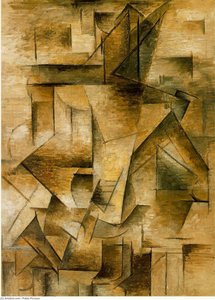
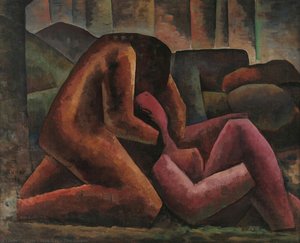
Keyt's oeuvre is characterized by recurring motifs drawn from Jataka tales—stories recounting the previous lives of Buddha—which he skillfully rendered in vibrant color palettes and dynamic compositions. His paintings often depict serene landscapes imbued with Buddhist symbolism, reflecting his deep connection to Sri Lanka’s spiritual landscape. Among his most celebrated pieces include “Untitled (Man, Woman and Child)” and “Untitled,” which exemplify his masterful technique and profound artistic vision. These works demonstrate Keyt's ability to distill complex philosophical concepts into visually arresting images that resonate with viewers across cultures.Literary Contributions & Translation Efforts
Beyond painting, Keyt was a prolific poet whose essays eloquently articulated his understanding of the painter’s role and creative process. His translation of “The Gita Govinda” into English (1940) and Sinhalese stands as a testament to his literary prowess and commitment to disseminating Eastern wisdom to Western audiences. Illustrated with his own delicate line drawings, these translations captured Keyt's artistic sensibility alongside his scholarly rigor—a harmonious blend that cemented his reputation as a multifaceted intellectual and artist.Recognition & Legacy
George Keyt’s work gained international acclaim throughout his lifetime, securing prominent positions in esteemed museums like St George’s Chapel (United Kingdom) and the George Daniell Museum (Miami Beach). His enduring influence on Sri Lankan art history is undeniable, establishing him as a cornerstone of modern Sri Lankan artistic expression. Today, reproductions of Keyt's paintings continue to inspire artists and collectors worldwide, ensuring that his visionary aesthetic—characterized by Cubist innovation and Buddhist contemplation—remains relevant in the 21st century.
Trumpa informacija
- Artistic Movement Or Style: Cubism
- Artists Or Movements Influenced By This Artist:
- Buddhist art
- Nagarjunakonda
- Artists Who Influenced This Artist: ['Henri Matisse']
- Date Of Death: 1993
- Full Name: George Percival Sproule Keyt
- Nationality: Sri Lankan
- Notable Artworks:
- Untitled (Man, Woman and Child)
- Untitled
- Place Of Birth: Sri Lanka (Kandy)


