

Acrylic On Canvas.

§ 1Katalogo duomenys

Šis kūrinys yra saugomas autorinės teisės
Šiame puslapyje rodomas meno kūrinys yra saugomas autorių teisių įstatymais, todėl neturime teisės legaliai kurti ar parduoti jo identiškos reprodukcijos. Ši apsauga užtikrinama remiantis tokiais tarptautiniais susitarimais kaip Bernės konvencija ir pagal nacionalines įstatymų nuostatas, įskaitant tas, kurias nurodo JAV autoriškos teisės įstatymas – 17-asis skyrius.
Kaip pagarbią ir teisėtą alternatyvą, mes siūlome pagal užsakymą rankomis dažytus paveikslus, įkvėptus originalo. Mūsų įgudę ir profesionalūs menininkai kruopščiai tiria originalo stilių, nuotaiką ir meninę esmę, kad sukurtų naują, unikalią kūrinį, kuris sukelia tą paties jausmą – išlikdamas tuo tarciau originaliu, savarankišku kūrybiniu darbu.
Šis metodas visiškai atitinka autorių teises, nes jame nėra saugomo kūrinio kopijavimo ar dubliavimo. Tai yra kūrybinė reinterpretacija – naujas paveikslas, kurį įkvėpė originalas, tačiau kuris nėra jo identiškas.
 Skaityti daugiau
§ 2Abstraktus
Kolekcinio objekto aprašas
Autoriaus biografija
Kubizmo pionierius Žoržas Brakas kartu su Picasso kūrė šį judelį. Atraskite jo revoliucinę kūrybą ir inovatyvius koliažus jau šiandien.
§ 3Komentaras
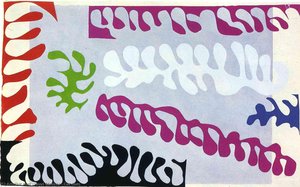
Georges Braque’s “Discs”: A Fragment of Geometric Harmony
The painting, titled "Discs," presents a deceptively simple visual experience—a canvas dominated by shades of blue—yet it encapsulates the profound innovations of Georges Braque's Cubist period. Captured in an image that showcases meticulous detail and vibrant color reproduction, this artwork invites contemplation on form, texture, and the subtle interplay between abstraction and representation. It’s a piece destined to resonate with collectors and interior designers alike who appreciate understated elegance combined with intellectual depth.A Synthesis of Form and Color
The composition centers around amorphous shapes resembling discs or circles—variations in size that overlap gracefully across the canvas. These forms aren't rendered realistically; instead, they embody Braque’s core Cubist aesthetic: a deliberate fracturing of perspective to depict objects from multiple viewpoints simultaneously. The artist skillfully employs geometric abstraction to convey not just visual information but also an emotional resonance rooted in the exploration of spatial relationships. Notice how the darker blues of these discs contrast beautifully with the lighter background hue, creating a dynamic tension that draws the eye and stimulates visual perception.Technique and Texture: Gestural Brushstrokes Reveal Depth
A careful examination reveals Braque’s masterful technique—characterized by visible brushstrokes that imbue the artwork with palpable texture and movement. These aren't smooth, polished surfaces; rather, they bear the marks of an artist actively engaged in shaping the pigment onto the canvas. Areas where the paint is applied with greater intensity suggest layering techniques, adding to the richness and complexity of the visual experience. The textured surface contributes significantly to conveying a sense of immediacy and spontaneity—a hallmark of Braque’s expressive style during this pivotal moment in art history.The Context of Cubism: Challenging Artistic Conventions
“Discs” emerged from the burgeoning artistic movement known as Cubism, spearheaded by Braque alongside Pablo Picasso. This revolutionary approach rejected traditional illusionistic representation, opting instead for a fragmented depiction of objects that dismantles conventional viewpoints and emphasizes two-dimensional flatness. Artists like Braque sought to capture not just what an object *looked* like but also how it *felt*, delving into the underlying structure of visual perception. The painting stands as testament to this ambition—a bold assertion of artistic freedom against established norms and a cornerstone of modern art’s legacy.Symbolism Beyond Surface Appearance
While seemingly devoid of overt narrative content, “Discs” possesses subtle symbolic significance. The repetition of circular forms can evoke notions of unity, wholeness, and cyclical time – concepts frequently explored in philosophical and spiritual traditions. Furthermore, the restrained color palette—primarily blues—often associated with tranquility, contemplation, and introspection—reflects Braque’s artistic sensibility and invites viewers to engage in a deeper emotional response. It's a piece that transcends mere visual beauty, prompting reflection on fundamental questions about perception and experience.- Artist: Georges Braque
- Born Year: 1882
- Death Year: 1963
- Birth City: Argenteuil
- Birth Country: France
Klausimai ir atsakymai
Kokią temą ir atmosferą sujungia „Discs“ – Georges Braque?
„Discs“ – Georges Braque sujungia geometric shapes, blue palette, brushstrokes, abstraction, circular forms, texture, braque signature ir Serene atmosferą.
Kur turėtų būti pakabinta „Discs“ – Georges Braque reprodukcija?
Formatas (Portrait) ir rekomenduojama erdvė (Living Room) yra du nurodyti išdėstymo faktai kūriniui „Discs“ – Georges Braque.
Kokia paletė ir pagrindinė spalva apibrėžė „Discs“?
„Discs“ – Georges Braque kūryboje naudojama Neutrals paletė, kurioje dominuoja Midnight Blue (#3e426f) spalva.





 Perjungti į spausdinamus版作品


 Dėl meno kūrinių ar reprodukcijų, kurių bet kuri pusė yra didesnė nei 105 cm (apie 41 inch), rėmas bus siunčiamas kaip išskaidytas surinkimo rinkinys. Šis metodas užtikrina saugų pristatymą ir apsaugo nuo transportavimo metu galimos žalos.


