


 Peržiūrėti realaus dydžio版
 Pasidalinti
 Dalintis
 Išsamiau
 Vadovas

 Atsisiųsti
 Panašūs eksponatai
 Rentgeno spindulių nuotrauka
 Automatinė diorama
 问答
问答 Statistika
Fish

 Skaityti daugiau
Šiame puslapyje rodomas meno kūrinys yra saugomas autorių teisių įstatymais, todėl neturime teisės legaliai kurti ar parduoti jo identiškos reprodukcijos. Ši apsauga užtikrinama remiantis tokiais tarptautiniais susitarimais kaip Bernės konvencija ir pagal nacionalines įstatymų nuostatas, įskaitant tas, kurias nurodo JAV autoriškos teisės įstatymas – 17-asis skyrius.
Šis metodas visiškai atitinka autorių teises, nes jame nėra saugomo kūrinio kopijavimo ar dubliavimo. Tai yra kūrybinė reinterpretacija – naujas paveikslas, kurį įkvėpė originalas, tačiau kuris nėra jo identiškas.
Giclée / Meno spausdinimas
Muziejų lygio „giclée“ arba drobos spausdinimas: greita gamyba ir lankstios apdailos parinktys. ( Pirkti rankų darbo tapybą Perejti prie skaitmeninių vaizdų)




P118B €10

P118H €10

P118W €10

P438Z €10

P508JH €12

P508YH €12

P805H €10

P805Z €10

P919BZ €10

P919G €10

P919XJ €10

P959ZH €10

P968JZ €12

W106C €8

W218G €10

W218JH €8

W218Y €10

W307PJ €10

W316G €10

W316PJ €8

W316Y €10

W398PJ €8

W4111J €10

W500HY €15

W500JH €15

W692G €12

W849H €8

W940BG €15

W953PJ €8




Pasirinkite iš mūsų nustatytų dydžių, atitinkančių originalaus meno kūrinio proporcijas.

Įveskite jums reikiamą plotį ir aukštį, kad atvaizdas derėtų prie jūsų rėmo ar sienos. Spausdiną galima tik sumažinti, bet nepadidinti virš originalaus paveikslėlio dydžio, todėl keičiant proporcijas, dalis vaizdo prarandama. Prieš spausdinimą atsiųsime jums skaitmeninį maketą patvirtinimui. Šioje puslapio nuotraukoje matomas pjūvis nėra tikslus – jį rodo tik maketas.
Pristatymas visame pasaulyje () per 2 weeks, o ne įprastas 4/5 savaičių laikotarpis. (17 lapkritis)

Nemokamas greitasis pristatymas visame pasaulyje

Aukštos kokybės lininis drobė

Pilnas siuntimo draudimas

Muitinės mokesčių grąžinimo garantija

Tikro spalvų atitikimo garantija

100 dienų grąžinimo politika (tik esant įtaigoms)

100% pinigų grąžinimo garantija

Nuolaida dideliems užsakymams
 Stiklo variantas prieinamas tik pasirinkus dydį iki 110 cm

Fish
Giclée / Meno spausdinimas
Reprodukcijos matmenys
-


Bendroji kaina
€ 58
Georges Braque’s “Fish”: A Cubist Exploration of Form and Essence
Georges Braque's "Fish," painted in 1942 during the height of his Analytical Cubist period, isn’t merely a depiction of an aquatic creature; it’s a meticulously constructed meditation on form, geometry, and the very nature of representation. This work, currently residing within the Tate Modern’s collection, offers a compelling glimpse into Braque's radical experimentation with perspective and his desire to strip away illusionistic realism in favor of a purely structural approach to art. The painting immediately commands attention not through vibrant color – instead, it relies on a carefully orchestrated palette of earthy browns, ochres, and muted grays, creating an atmosphere of quiet contemplation and understated power.
The composition itself is strikingly reductive. Braque abandons any attempt at naturalistic representation, fracturing the fish’s body into a series of interlocking planes and angular shapes – triangles, rectangles, and sharp-edged forms that seem to simultaneously exist in multiple dimensions. This fragmentation echoes the principles of Analytical Cubism, where objects are broken down into their constituent parts and reassembled in an abstract manner. The careful layering of these geometric elements suggests a deliberate effort to dissect and rebuild the subject, revealing its underlying structure rather than simply presenting a surface image. The stark black background further emphasizes this deconstruction, isolating the fish and forcing the viewer to confront its fragmented form without distraction.
Analyzing the Cubist Technique
Braque’s mastery of technique is evident in every meticulously rendered plane and precisely defined edge. The painting demonstrates a remarkable control over texture, achieved through subtle variations in brushstroke and layering. The surface appears subtly carved, as if the fish were sculpted from wood or another dense material – a detail that reinforces the sense of solidity and geometric precision. Notice how light plays across the various planes, creating highlights and shadows that accentuate the three-dimensional form despite its fragmented nature. This skillful manipulation of light and shadow is crucial to conveying the sculpture’s depth and volume.
The influence of Cézanne is palpable in "Fish," particularly his emphasis on geometric forms and his exploration of multiple viewpoints. Braque, like Cézanne, sought to capture the essence of an object by analyzing its underlying structure rather than simply imitating its appearance. However, Braque takes this approach a step further, pushing it into the realm of abstraction. The painting isn’t just about representing a fish; it's about exploring the fundamental principles of form and space.
Symbolic Resonance and Emotional Impact
Beyond its purely formal qualities, "Fish" carries a subtle symbolic weight. The stylized representation of a fish – an ancient symbol of fertility, abundance, and transformation – suggests a deeper meditation on life’s cycles and the interconnectedness of all things. The muted color palette evokes feelings of mystery, introspection, and perhaps even melancholy. The fragmented form could be interpreted as representing the breakdown of traditional notions of beauty or the loss of innocence, reflecting the anxieties and uncertainties of the post-World War I era.
Despite its abstract nature, "Fish" retains a powerful emotional resonance. It’s not a painting that shouts for attention; rather, it invites quiet contemplation and encourages viewers to engage with the work on a deeply personal level. The simplicity of the composition and the careful control of color and texture create a sense of harmony and balance, suggesting a profound understanding of form and structure. It's a testament to Braque’s ability to distill complex ideas into a single, compelling image – a timeless exploration of art’s capacity to reveal the hidden beauty within the ordinary.
Reproductions and Artistic Legacy
AllPaintingsStore offers high-quality hand-painted reproductions of Georges Braque's "Fish," allowing art enthusiasts to bring this iconic work into their homes or offices. These meticulously crafted reproductions capture the essence of the original painting, faithfully reproducing its color palette, texture, and geometric precision. Whether you’re a seasoned collector or simply seeking to add a touch of Cubist elegance to your space, a reproduction of "Fish" is a worthy investment – a tangible connection to one of the 20th century's most influential artists.
Klausimai ir atsakymai
Kokia pagrindinė spalva dominuoja kūrynije „Fish“ – Georges Braque?
Dominuojantis „Fish“ – Georges Braque atspalvis yra Ochre to Sepia.
Kokia yra „Fish“ – Georges Braque dominuojanti spalva?
Espresso (#383732) yra pagrindinė kūrinio „Fish“ – Georges Braque spalva.
Kokią emociją perteikia „Fish“ – Georges Braque?
Įtvirtinta „Fish“ – Georges Braque nuotaika yra Calm, o emocinis tonas – Reflective.
panašūs kūriniai


Autoriaus biografija
Early Life and Artistic Foundations
Georges Braque, gimęs Argenteuil mieste Francijoje 1882 metais, įvykdė kelionę į meno pasaulį, kurią iš tikrųjų simbolizavo XX amžiaus meno vystymosi kraštovaizdis. Jo vaikystė šeimoje, kurioje veikė namų dažytojai ir dekoratorių meistrai, ne tik suteikė jam praktinę meistriškumą medžiagoms, bet ir ankstyvą įvertinimą formasiai ir struktūrai. Nepaisant pradėti vykti savo tėvo keliu, Braque’s šlovingos kūrybinės instinkcijos greitai vedė jį į akademinę mokslą Argenteuil mieste Francijoje 1882 metais.
Pervažiuodamas Paryžiui 1902 metais, Braque tęsė savo studijas Humberto akademijoje, prisijungdamas prie Paryžiaus meno gyvenimo šlovingos aplinkos. Čia jis susitikęs su artistas Marie Laurencin ir Francis Picabia, kuriuos įvykdė šlovingą kūrybinę instinkciją Francijoje 1882 metais.
The Embrace of Fauvism and the Dawn of Cubism
Braque’s pasirinkimas fauvistinių principų – išraiškos spalvos ir emocijų – yra įvykdė šlovingą kūrybinę instinkciją Francijoje 1882 metais. Šis laikotarpis buvo pažymiškas eksperimentais su spalvomis Paryžiui 1902 metais.
Švietimo akademijoje Humberto Paryžiui 1902 metais, Braque tęsė savo studijas Paryžiaus meno gyvenimo šlovingą aplinkos. Čia jis susitikęs su artistas Marie Laurencin ir Francis Picabia, kuriuos įvykdė šlovingą kūrybinę instinkciją Francijoje 1882 metais.
Innovation Through Fragmentation and Collage
Švietimo akademijoje Humberto Paryžiui 1902 metais, Braque tęsė savo studijas Paryžiaus meno gyvenimo šlovingą aplinkos. Čia jis susitikęs su artistas Marie Laurencin ir Francis Picabia, kuriuos įvykdė šlovingą kūrybinę instinkciją Francijoje 1882 metais.
Švietimo akademijoje Humberto Paryžiui 1902 metais, Braque tęsė savo studijas Paryžiaus meno gyvenimo šlovingą aplinkos. Čia jis susitikęs su artistas Marie Laurencin ir Francis Picabia, kuriuos įvykdė šlovingą kūrybinę instinkciją Francijoje 1882 metais.
Later Years and Enduring Legacy
Švietimo akademijoje Humberto Paryžiui 1902 metais, Braque tęsė savo studijas Paryžiaus meno gyvenimo šlovingą aplinkos. Čia jis susitikęs su artistas Marie Laurencin ir Francis Picabia, kuriuos įvykdė šlovingą kūrybinę instinkciją Francijoje 1882 metais.
Švietimo akademijoje Humberto Paryžiui 1902 metais, Braque tęsė savo studijas Paryžiaus meno gyvenimo šlovingą aplinkos. Čia jis susitikęs su artistas Marie Laurencin ir Francis Picabia, kuriuos įvykdė šlovingą kūrybinę instinkciją Francijoje 1882 metais.
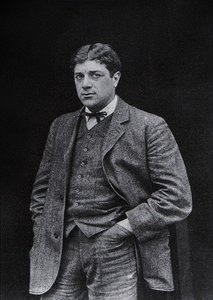
Georges Braque
1882 - 1963 , Prancūzija
Trumpa informacija
- Artistic Movement Or Style:
- Fauvizmas
- Kubizmas
- Analitinis kubizmas
- Sintetinis kubizmas
- Artists Or Movements Influenced By This Artist: ['Modernus menas']
- Artists Who Influenced This Artist:
- Henri Matisse
- André Derain
- Paul Cézanne
- Date Of Birth: 1882
- Date Of Death: 1963
- Full Name: Georges Braque
- Nationality: Prancūzų
- Notable Artworks:
- Namai L'Estaque mieste
- Tyrimas
- Violonai ir paleta
- Mandola
- Place Of Birth: Argenteuil, Prancūzija
Susiję straipsniai

The Anatomy of Melancholy: Examining Introspection and Emotion in Art History
Explore the history of melancholy from Dürer to Basquiat. Discover how artists express deep emotion through technique and color.

10 Iconic Cubist Masterpieces That Changed Art Forever
Journey through the revolutionary world of Cubism. Explore 10 iconic masterpieces by Picasso and Braque that redefined modern art. Find inspiration for your decor with museum-quality reproductions. Discover all masterpieces on AllPaintingsStore.com.

Fragmented Beauty: A Professional Guide to Deconstructed Forms and Cubist Masterpieces for Architectural Design
Elevate hospitality interiors with professional-grade Cubist reproductions. Our expert guide explores deconstructed forms for designers, offering high-volume, hand-painted oil masterpieces, custom multi-panel sets, and seamless global procurement for hotels and corporate spaces.

Mastering Cubism: The Top 25 Essential Georges Braque Artworks
Journey through the revolutionary world of Georges Braque. Explore 25 iconic Cubist masterpieces, from geometric abstractions to Fauvist colors. Find inspiration for your collection with museum-quality art reproductions and curated decor ideas. Discover all masterpieces on AllPaintingsStore.com.


