


 Peržiūrėti realaus dydžio版
 Pasidalinti
 Dalintis
 Išsamiau
 Vadovas

 Atsisiųsti
 Panašūs eksponatai
 Rentgeno spindulių nuotrauka
 Automatinė diorama
 问答
问答 Statistika
Sacred heart


 Skaityti daugiau
Šiame puslapyje rodomas meno kūrinys yra saugomas autorių teisių įstatymais, todėl neturime teisės legaliai kurti ar parduoti jo identiškos reprodukcijos. Ši apsauga užtikrinama remiantis tokiais tarptautiniais susitarimais kaip Bernės konvencija ir pagal nacionalines įstatymų nuostatas, įskaitant tas, kurias nurodo JAV autoriškos teisės įstatymas – 17-asis skyrius.
Šis metodas visiškai atitinka autorių teises, nes jame nėra saugomo kūrinio kopijavimo ar dubliavimo. Tai yra kūrybinė reinterpretacija – naujas paveikslas, kurį įkvėpė originalas, tačiau kuris nėra jo identiškas.
Giclée / Meno spausdinimas
Muziejų lygio „giclée“ arba drobos spausdinimas: greita gamyba ir lankstios apdailos parinktys. ( Pirkti rankų darbo tapybą Perejti prie skaitmeninių vaizdų)




P118B €10

P118H €10

P118W €10

P438Z €10

P508JH €12

P508YH €12

P805H €10

P805Z €10

P919BZ €10

P919G €10

P919XJ €10

P959ZH €10

P968JZ €12

W106C €8

W218G €10

W218JH €8

W218Y €10

W307PJ €10

W316G €10

W316PJ €8

W316Y €10

W398PJ €8

W4111J €10

W500HY €15

W500JH €15

W692G €12

W849H €8

W940BG €15

W953PJ €8




Pasirinkite iš mūsų nustatytų dydžių, atitinkančių originalaus meno kūrinio proporcijas.

Įveskite jums reikiamą plotį ir aukštį, kad atvaizdas derėtų prie jūsų rėmo ar sienos. Spausdiną galima tik sumažinti, bet nepadidinti virš originalaus paveikslėlio dydžio, todėl keičiant proporcijas, dalis vaizdo prarandama. Prieš spausdinimą atsiųsime jums skaitmeninį maketą patvirtinimui. Šioje puslapio nuotraukoje matomas pjūvis nėra tikslus – jį rodo tik maketas.
Pristatymas visame pasaulyje () per 2 weeks, o ne įprastas 4/5 savaičių laikotarpis. (8 lapkritis)

Nemokamas greitasis pristatymas visame pasaulyje

Aukštos kokybės lininis drobė

Pilnas siuntimo draudimas

Muitinės mokesčių grąžinimo garantija

Tikro spalvų atitikimo garantija

100 dienų grąžinimo politika (tik esant įtaigoms)

100% pinigų grąžinimo garantija

Nuolaida dideliems užsakymams
 Stiklo variantas prieinamas tik pasirinkus dydį iki 110 cm

Sacred heart
Giclée / Meno spausdinimas
Reprodukcijos matmenys
-


Bendroji kaina
€ 58
A Fragmented Vision of Parisian Life
In the heart of 1910, amidst the intellectual fever of early twentieth-century Paris, Georges Braque birthed a masterpiece that would forever alter the trajectory of modern art. “Sacred Heart” is far more than a mere depiction of a cityscape; it is a profound exploration of perception itself. As one gazes upon this canvas, they are not presented with a window into a stable world, but rather an invitation to witness the dismantling of reality. Braque captures a bustling Parisian street scene, yet he refuses the comfort of traditional perspective. Instead, buildings loom on the horizon as a complex arrangement of geometric planes, intersecting and overlapping in a way that challenges the viewer to reconstruct the scene within their own mind. It is a dance of light and shadow, where dappified sunlight filters through a fractured landscape, creating an atmosphere that feels both intimately familiar and unsettlingly new.
The brilliance of this work lies in its role as a cornerstone of Analytical Cubism. During this pivotal era, Braque, working alongside his close collaborator Pablo Picasso, sought to move beyond the superficial imitation of nature. Influenced by the structural rigor of Paul Cézanne, Braque utilized the reduction of forms into basic cubes, cylinders, and cones to reveal the underlying architecture of the visible world. In “Sacred Heart,” this technique manifests as a simultaneous depiction of multiple viewpoints, allowing the viewer to experience the movement and depth of the city through a single, unified, yet fragmented lens. For the collector or designer, this piece offers a sophisticated intellectual depth, providing a focal point that rewards prolonged contemplation and invites a dialogue between the art and the space it inhabits.
The Mastery of Earthy Tones and Texture
Technically, Braque demonstrates an extraordinary command over his medium, employing oil on canvas with a meticulousness that borders on the sculptural. The palette is intentionally restrained, dominated by a muted symphony of earthy tones—ochre, umber, and slate grey. This deliberate lack of vibrant color serves a higher purpose: it prevents the eye from being distracted by mere spectacle, forcing the focus onto the structural rhythm and the subtle gradations of light. Through careful layering, Braque achieves a remarkable textural depth, where the surface of the painting seems to vibrate with a subdued intensity. The interplay of these somber hues creates a sense of atmospheric weight, grounding the abstract geometric shapes in a reality that feels tactile and substantial.
Beyond its technical prowess, the emotional impact of “Sacred Heart” is one of quiet revolution. There is a certain tension within the composition—a struggle between the recognizable elements of urban life and the radical deconstruction of those very forms. This tension mirrors the broader historical context of a world undergoing rapid scientific and social transformation. To possess a reproduction of this work is to hold a piece of the avant-garde spirit; it brings into a contemporary interior an aura of intellectual curiosity and timeless elegance. It is an ideal selection for those seeking to infuse their surroundings with a sense of history, complexity, and the enduring beauty of the fractured modern gaze.
Klausimai ir atsakymai
Kokią vietą Žoržas Brakas pasikartojančių temų tarėje užima „Sacred heart“?
Dažniausios Žoržas Brakas temos apima cubist exploration, urban landscape, geometric abstraction, braque’s innovation, modern artistic vision; kūrinys „Sacred heart“ susitelkia į cityscape, cubism, architecture, urban scene, geometric shapes, light, composition.
Kaip suformuota „Sacred heart“ – Žoržas Brakas spalvų kompozicija?
„Sacred heart“ – Žoržas Brakas spalvų analizėje fiksuojamas Balanced kontrastas ir Unified Palette harmonija.
Ar „Sacred heart“ – Žoržas Brakas spalvos yra ryškios ar blėdžios?
„Sacred heart“ spalvų nasyginimas yra Subtle Color, o intensyvumas – Balanced.
panašūs kūriniai


Autoriaus biografija
Early Life and Artistic Foundations
Georges Braque, gimęs Argenteuil mieste Francijoje 1882 metais, įvykdė kelionę į meno pasaulį, kurią iš tikrųjų simbolizavo XX amžiaus meno vystymosi kraštovaizdis. Jo vaikystė šeimoje, kurioje veikė namų dažytojai ir dekoratorių meistrai, ne tik suteikė jam praktinę meistriškumą medžiagoms, bet ir ankstyvą įvertinimą formasiai ir struktūrai. Nepaisant pradėti vykti savo tėvo keliu, Braque’s šlovingos kūrybinės instinkcijos greitai vedė jį į akademinę mokslą Argenteuil mieste Francijoje 1882 metais.
Pervažiuodamas Paryžiui 1902 metais, Braque tęsė savo studijas Humberto akademijoje, prisijungdamas prie Paryžiaus meno gyvenimo šlovingos aplinkos. Čia jis susitikęs su artistas Marie Laurencin ir Francis Picabia, kuriuos įvykdė šlovingą kūrybinę instinkciją Francijoje 1882 metais.
The Embrace of Fauvism and the Dawn of Cubism
Braque’s pasirinkimas fauvistinių principų – išraiškos spalvos ir emocijų – yra įvykdė šlovingą kūrybinę instinkciją Francijoje 1882 metais. Šis laikotarpis buvo pažymiškas eksperimentais su spalvomis Paryžiui 1902 metais.
Švietimo akademijoje Humberto Paryžiui 1902 metais, Braque tęsė savo studijas Paryžiaus meno gyvenimo šlovingą aplinkos. Čia jis susitikęs su artistas Marie Laurencin ir Francis Picabia, kuriuos įvykdė šlovingą kūrybinę instinkciją Francijoje 1882 metais.
Innovation Through Fragmentation and Collage
Švietimo akademijoje Humberto Paryžiui 1902 metais, Braque tęsė savo studijas Paryžiaus meno gyvenimo šlovingą aplinkos. Čia jis susitikęs su artistas Marie Laurencin ir Francis Picabia, kuriuos įvykdė šlovingą kūrybinę instinkciją Francijoje 1882 metais.
Švietimo akademijoje Humberto Paryžiui 1902 metais, Braque tęsė savo studijas Paryžiaus meno gyvenimo šlovingą aplinkos. Čia jis susitikęs su artistas Marie Laurencin ir Francis Picabia, kuriuos įvykdė šlovingą kūrybinę instinkciją Francijoje 1882 metais.
Later Years and Enduring Legacy
Švietimo akademijoje Humberto Paryžiui 1902 metais, Braque tęsė savo studijas Paryžiaus meno gyvenimo šlovingą aplinkos. Čia jis susitikęs su artistas Marie Laurencin ir Francis Picabia, kuriuos įvykdė šlovingą kūrybinę instinkciją Francijoje 1882 metais.
Švietimo akademijoje Humberto Paryžiui 1902 metais, Braque tęsė savo studijas Paryžiaus meno gyvenimo šlovingą aplinkos. Čia jis susitikęs su artistas Marie Laurencin ir Francis Picabia, kuriuos įvykdė šlovingą kūrybinę instinkciją Francijoje 1882 metais.
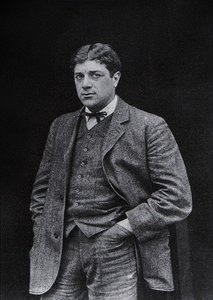
Žoržas Brakas
1882 - 1963 , Prancūzija
Trumpa informacija
- Artistic Movement Or Style: Kubizmo ir Fauvizmo
- Artists Who Influenced This Artist:
- Henri Matisse
- André Derain
- Pablo Picasso
- Date Of Birth: 1882-05-13
- Date Of Death: 1963
- Full Name: Georges Braque
- Nationality: Prancūzas
- Notable Artworks:
- Žinomas namai L'Estaque
- Kantrybė
- Violonas ir Paletė
- Place Of Birth: Argenteuil, Prancūzija
Susiję straipsniai

Cubism Explained: A Professional Guide to Geometric Abstraction for Modern Interior Design
Master the impact of Cubism in modern design. Our expert guide explores geometric abstraction, Picasso's legacy, and professional solutions for sourcing high-quality Cubist reproductions for hotels, corporate spaces, and luxury interiors.

10 Iconic Cubist Masterpieces That Changed Art Forever
Journey through the revolutionary world of Cubism. Explore 10 iconic masterpieces by Picasso and Braque that redefined modern art. Find inspiration for your decor with museum-quality reproductions. Discover all masterpieces on AllPaintingsStore.com.

Geometric Art for Modern Spaces: A Professional Designer's Guide to Precision, Structure, and Impactful Hotel Decor
Elevate hospitality interiors with premium geometric art. Our professional guide for designers explores Cubism and abstraction, offering high-volume, hand-painted oil reproductions, custom multi-panel sets, and seamless bulk procurement for hotels and corporate spaces.

Mastering Cubism: The Top 25 Essential Georges Braque Artworks
Journey through the revolutionary world of Georges Braque. Explore 25 iconic Cubist masterpieces, from geometric abstractions to Fauvist colors. Find inspiration for your collection with museum-quality art reproductions and curated decor ideas. Discover all masterpieces on AllPaintingsStore.com.


