


 Peržiūrėti realaus dydžio版
 Siųsti
 Dalintis
 Išsamiau
 Vadovas

 Atsisiųsti
 Panašūs eksponatai
 Rentgeno spindulių nuotrauka
 Diaporama
 Statistika
Sao


 Rodyti daugiau
Šiame puslapyje rodomas meno kūrinys yra saugomas autorių teisių įstatymais, todėl neturime teisės legaliai kurti ar parduoti jo identiškos reprodukcijos. Ši apsauga užtikrinama remiantis tokiais tarptautiniais susitarimais kaip Bernės konvencija ir pagal nacionalines įstatymų nuostatas, įskaitant tas, kurias nurodo JAV autoriškos teisės įstatymas – 17-asis skyrius.
Šis metodas visiškai atitinka autorių teises, nes jame nėra kūrinio kopijavimo ar dubliavimo. Tai yra kūrybinė reinterpretacija – naujas paveikslas, kurį įkvėpė originalas, tačiau kuris nėra jo identiškas.
Giclée / Meno spausdinimas
Muziejų lygio „giclée“ arba drobos spausdinimas: greita gamyba ir lankstios apdailos parinktys. ( Pirkti rankomis tapytą reprodukciją Perejti prie skaitmeninių vaizdų)




P118B €10

P118H €10

P118W €10

P438Z €10

P508JH €12

P508YH €12

P805H €10

P805Z €10

P919BZ €10

P919G €10

P919XJ €10

P959ZH €10

P968JZ €12

W106C €8

W218G €10

W218JH €8

W218Y €10

W307PJ €10

W316G €10

W316PJ €8

W316Y €10

W398PJ €8

W4111J €10

W500HY €15

W500JH €15

W692G €12

W849H €8

W940BG €15

W953PJ €8




Pasirinkite iš mūsų nustatytų dydžių, atitinkančių originalaus meno kūrinio proporcijas.

Įveskite jums reikiamą plotį ir aukštį, kad atvaizdas derėtų prie jūsų rėmo ar sienos. Spausdiną galima tik sumažinti, bet nepadidinti virš originalaus paveikslėlio dydžio, todėl keičiant proporcijas, dalis vaizdo prarandama. Prieš spausdinimą atsiųsime jums skaitmeninį maketą patvirtinimui. Šioje puslapio nuotraukoje matomas pjūvis nėra tikslus – jį rodo tik maketas.
Pristatymas visame pasaulyje () per 2 weeks, o ne įprastas 4/5 savaičių laikotarpis. (23 spalis)

Nemokamas greitasis pristatymas visame pasaulyje

Aukštos kokybės lininis drobė

Pilnas siuntimo draudimas

Muitinės mokesčių grąžinimo garantija

Tikro spalvų atitikimo garantija

100 dienų grąžinimo politika (tik esant įtaigoms)

100% pinigų grąžinimo garantija

Nuolaida dideliems užsakymams
 Stiklo variantas prieinamas tik pasirinkus dydį iki 110 cm

Sao
Giclée / Meno spausdinimas
Reprodukcijos dydis
-


Visų pasirinktų variantų kaina
€ 56
A Stark Dialogue with Form: Georges Braque’s *Sao*
Georges Braque's *Sao*, a deceptively simple monochrome drawing, isn’t merely an exercise in line and space; it’s a profound meditation on containment, fragmentation, and the very nature of representation. Executed around 1932, this work embodies the core tenets of Cubism while simultaneously hinting at the nascent explorations of collage that would soon redefine Braque's artistic trajectory. The piece immediately commands attention with its stark contrast: a dense, black void punctuated by a network of precise, white lines – a visual vocabulary that speaks volumes about the artist’s intent.
The composition centers on an abstracted human figure, roughly delineated within a large, encompassing circle. This isn't portraiture in the traditional sense; rather, it’s a deconstruction of the form, reduced to its essential elements – lines that suggest limbs, torso, and head, yet never fully resolve into recognizable features. The asymmetry inherent in the arrangement—the figure subtly off-center—introduces an element of dynamism, preventing the image from feeling static or overly formal. A smaller oval at the base adds a layer of ambiguity, perhaps representing legs or a lower body, further contributing to the sense of incompleteness and ongoing construction.
The Language of Line: Technique and Materiality
Braque’s masterful control of line is paramount to *Sao*'s impact. The lines aren't smooth or flowing; they possess a deliberate, almost hesitant quality, as if drawn with charcoal or chalk on a slightly textured surface. This gestural approach imbues the work with a sense of immediacy and spontaneity, contrasting sharply with the precision required for rendering a realistic image. The varying thickness and density of the lines create a subtle textural landscape, adding depth and visual interest without relying on shading or modeling – techniques that Braque would later abandon in favor of more fragmented approaches.
Considering the materials—likely charcoal or chalk on paper—the work’s longevity is remarkable. The monochrome palette amplifies the impact of the lines themselves, forcing the viewer to engage with their form and spatial relationships. It's a testament to Braque’s ability to create a powerful visual statement using minimal resources.
Cubism, Collage, and the Deconstruction of Reality
*Sao* firmly situates itself within the context of early Cubism, a movement that challenged traditional notions of perspective and representation. Like Picasso, Braque sought to depict objects from multiple viewpoints simultaneously, fracturing forms into geometric shapes and reassembling them on the canvas. However, *Sao* feels particularly prescient in its anticipation of collage – a technique that would soon become synonymous with Braque’s name. The very act of layering lines within a defined space echoes the principles of collage, suggesting an exploration of surface and texture.
The circle itself is a potent symbol—representing wholeness, containment, or perhaps even the cyclical nature of existence. Juxtaposed against the fragmented figure, it creates a compelling tension between order and chaos, stability and disintegration. The ambiguity surrounding the figure’s identity invites interpretation, prompting viewers to project their own emotions and experiences onto the image.
A Quiet Intensity: Emotional Resonance
Despite its apparent simplicity, *Sao* possesses a remarkable emotional depth. It's not a work that shouts for attention; rather, it whispers with an understated intensity. The stark contrast between black and white evokes feelings of isolation, introspection, and perhaps even melancholy. The fragmented figure suggests a sense of loss or incompleteness, while the enclosing circle offers a fragile promise of protection. *Sao* is a powerful reminder that art can communicate complex emotions through the most subtle means – a carefully considered line, a strategic placement, and a profound understanding of form.
问答 (or more naturally for a website heading): Klausimai ir atsakymai
Ką vaizduoja „Sao“, autorius – Žoržas Brakas?
„Sao“, autorius – Žoržas Brakas temos apima figure, abstraction, circle, line, monochrome, fragmented, human, modernism. Kartu jie apibendrina šio kūrinio tematiką.
Iš kokio laikotarpio yra „Sao“?
„Sao“, autorius – Žoržas Brakas priklauso Late Medieval laikotarapiui. Šis laikotarpis suteikia kūriniui istorines aplinkybes.
Kokia bendra „Sao“, autorius – Žoržas Brakas nuotauda?
„Sao“ kūrinį lygina su Calm atmosfera.
Susiję kūriniai


Autoriaus biografija
Early Life and Artistic Foundations
Georges Braque, gimęs Argenteuil mieste Francijoje 1882 metais, įvykdė kelionę į meno pasaulį, kurią iš tikrųjų simbolizavo XX amžiaus meno vystymosi kraštovaizdis. Jo vaikystė šeimoje, kurioje veikė namų dažytojai ir dekoratorių meistrai, ne tik suteikė jam praktinę meistriškumą medžiagoms, bet ir ankstyvą įvertinimą formasiai ir struktūrai. Nepaisant pradėti vykti savo tėvo keliu, Braque’s šlovingos kūrybinės instinkcijos greitai vedė jį į akademinę mokslą Argenteuil mieste Francijoje 1882 metais.
Pervažiuodamas Paryžiui 1902 metais, Braque tęsė savo studijas Humberto akademijoje, prisijungdamas prie Paryžiaus meno gyvenimo šlovingos aplinkos. Čia jis susitikęs su artistas Marie Laurencin ir Francis Picabia, kuriuos įvykdė šlovingą kūrybinę instinkciją Francijoje 1882 metais.
The Embrace of Fauvism and the Dawn of Cubism
Braque’s pasirinkimas fauvistinių principų – išraiškos spalvos ir emocijų – yra įvykdė šlovingą kūrybinę instinkciją Francijoje 1882 metais. Šis laikotarpis buvo pažymiškas eksperimentais su spalvomis Paryžiui 1902 metais.
Švietimo akademijoje Humberto Paryžiui 1902 metais, Braque tęsė savo studijas Paryžiaus meno gyvenimo šlovingą aplinkos. Čia jis susitikęs su artistas Marie Laurencin ir Francis Picabia, kuriuos įvykdė šlovingą kūrybinę instinkciją Francijoje 1882 metais.
Innovation Through Fragmentation and Collage
Švietimo akademijoje Humberto Paryžiui 1902 metais, Braque tęsė savo studijas Paryžiaus meno gyvenimo šlovingą aplinkos. Čia jis susitikęs su artistas Marie Laurencin ir Francis Picabia, kuriuos įvykdė šlovingą kūrybinę instinkciją Francijoje 1882 metais.
Švietimo akademijoje Humberto Paryžiui 1902 metais, Braque tęsė savo studijas Paryžiaus meno gyvenimo šlovingą aplinkos. Čia jis susitikęs su artistas Marie Laurencin ir Francis Picabia, kuriuos įvykdė šlovingą kūrybinę instinkciją Francijoje 1882 metais.
Later Years and Enduring Legacy
Švietimo akademijoje Humberto Paryžiui 1902 metais, Braque tęsė savo studijas Paryžiaus meno gyvenimo šlovingą aplinkos. Čia jis susitikęs su artistas Marie Laurencin ir Francis Picabia, kuriuos įvykdė šlovingą kūrybinę instinkciją Francijoje 1882 metais.
Švietimo akademijoje Humberto Paryžiui 1902 metais, Braque tęsė savo studijas Paryžiaus meno gyvenimo šlovingą aplinkos. Čia jis susitikęs su artistas Marie Laurencin ir Francis Picabia, kuriuos įvykdė šlovingą kūrybinę instinkciją Francijoje 1882 metais.
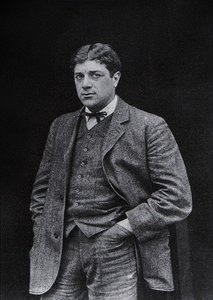
Žoržas Brakas
1882 - 1963 , Prancūzija
Trumpa informacija apie kūrėją
- Artistic Movement Or Style: Kubizmo ir Fauvizmo
- Artists Who Influenced This Artist:
- Henri Matisse
- André Derain
- Pablo Picasso
- Date Of Birth: 1882-05-13
- Date Of Death: 1963
- Full Name: Georges Braque
- Nationality: Prancūzas
- Notable Artworks:
- Žinomas namai L'Estaque
- Kantrybė
- Violonas ir Paletė
- Place Of Birth: Argenteuil, Prancūzija
Susiję straipsniai

Synthetic Cubism Explained: A Professional Guide to Texture, Collage, and Geometric Abstraction for Modern Interior Design
Master the use of Synthetic Cubism in modern hospitality design. Our expert guide explores texture, collage, and geometric abstraction to help designers source premium, large-scale oil reproductions for hotels and corporate spaces with professional reliability.


