


 Peržiūrėti realaus dydžio版
 Siųsti
 Dalintis
 Išsamiau
 Vadovas

 Atsisiųsti
 Panašūs eksponatai
 Rentgeno spindulių nuotrauka
 Diaporama
 Statistika
Soda


 Rodyti daugiau
Šiame puslapyje rodomas meno kūrinys yra saugomas autorių teisių įstatymais, todėl neturime teisės legaliai kurti ar parduoti jo identiškos reprodukcijos. Ši apsauga užtikrinama remiantis tokiais tarptautiniais susitarimais kaip Bernės konvencija ir pagal nacionalines įstatymų nuostatas, įskaitant tas, kurias nurodo JAV autoriškos teisės įstatymas – 17-asis skyrius.
Kaip pagarbią ir teisėtą alternatyvą, mes siūlome pagal užsakymą rankomis dažytus paveikslus, įkvėptus originalo. Mūsų įgudę ir profesionalūs menininkai kruopščiai tiria originalo stilių, nuotaiką ir meninę esmę, kad sukurtų naują, unikalią kūrinį, kuris sukelia tą paties jausmą – išlikdamas tuo tarciau originaliu, savarankišku kūrybiniu darbu.
Šis metodas visiškai atitinka autorių teises, nes jame nėra kūrinio kopijavimo ar dubliavimo. Tai yra kūrybinė reinterpretacija – naujas paveikslas, kurį įkvėpė originalas, tačiau kuris nėra jo identiškas.
Rankų darbo aliejinės reprodukcijos
Rankiniu būdu tapytas aliejus ant droblio jūsų pageidaujamame dydį ir rėmuose – mūsų menininkų darbas pagal užsakymą. ( Perjungti į spausdinimą Perejti prie skaitmeninių vaizdų)




P118B €10

P118H €10

P118W €10

P438Z €10

P508JH €12

P508YH €12

P805H €10

P805Z €10

P919BZ €10

P919G €10

P919XJ €10

P959ZH €10

P968JZ €12

W106C €8

W218G €10

W218JH €8

W218Y €10

W307PJ €10

W316G €10

W316PJ €8

W316Y €10

W398PJ €8

W4111J €10

W500HY €15

W500JH €15

W692G €12

W849H €8

W940BG €15

W953PJ €8




Pasirinkite iš mūsų nustatytų dydžių, atitinkančių originalaus meno kūrinio proporcijas.

Įveskite jums reikiamą plotį ir aukštį, kad paveikslas atitiktų jūsų rėmą ar sieną. Kadangi šis darbas yra rankinio darbo, siekiant išgauti kitokio formos dydį, paveikslas gali būti šiek tiek didesnis (nuo kraštų bus palikta daugiau erdvės) arba mažesnis – pasirinkite jums patogiausią variantą. Prieš pradedant tapyti, atsiųsime jums skaitmeninį maketą patvirtinimui. Šioje puslapio nuotraukoje matomas vaizdas nėra galutinis rezultatas – jį parodys tik sukurtas maketas.
Gavus užsakymą, AllPaintingsStore.com komanda susisieks su klientu el. paštu dėl instrukcijų ir pateiks maketo pavyzdį
Pristatymas visame pasaulyje () per 3–4 savaites, o ne įprastai – per 5 savaites. (24 spalis). Kokybė lieka nepakeičiama.

Nemokamas greitasis pristatymas visame pasaulyje

Aukštos kokybės lininis drobė

Pilnas siuntimo draudimas

Muitinės mokesčių grąžinimo garantija

Tikro spalvų atitikimo garantija

100 dienų grąžinimo politika (tik esant įtaigoms)

100% pinigų grąžinimo garantija

Nuolaida dideliems užsakymams
 Stiklo variantas prieinamas tik pasirinkus dydį iki 110 cm

Soda
Reprodukcijos technika
Reprodukcijos dydis
-


Visų pasirinktų variantų kaina
€ 227
A Still Life Reimagined: Decoding Braque’s “Soda”
Georges Braque's “Soda,” painted in Paris around the spring of 1912, is not merely a depiction of everyday objects; it’s a pivotal statement within the burgeoning language of Cubism. The painting presents a fragmented view of a table setting – a soda bottle (the namesake of the piece), a cup, bowls, and a spoon – rendered with an analytical precision that dismantles traditional notions of form and perspective. Braque doesn't aim to replicate reality as it is seen, but rather to present how it is *known*, breaking down objects into their essential geometric components and reassembling them on the canvas in a dynamic interplay of planes and angles. The muted palette, dominated by ochres, browns, and grays, further emphasizes the intellectual rigor of the composition, shifting focus from vibrant color to structural analysis. This wasn’t about capturing light or emotion in the Impressionist manner; it was an exploration of how we perceive space and volume, a visual dissection of the world around us.The Genesis of Analytical Cubism
To understand “Soda,” one must consider its place within Braque's artistic evolution and his close collaboration with Pablo Picasso during this period. Having initially flirted with Fauvism – evident in earlier works characterized by bold colors and expressive brushwork – Braque, alongside Picasso, began to deconstruct the visual world inspired by Paul Cézanne’s late paintings. Cézanne’s emphasis on underlying geometric forms proved a crucial catalyst. “Soda” exemplifies what is known as Analytical Cubism, where objects are broken down into fragmented shapes and reassembled in an ambiguous space. Unlike later Synthetic Cubism which would incorporate collage elements and brighter colors, Analytical Cubism focused on dissecting form through monochromatic palettes and complex spatial arrangements. The painting isn’t about the *thing* itself – the soda bottle or the cup – but rather about the act of seeing, of analyzing, and reconstructing visual information. The overlapping planes and shifting perspectives challenge the viewer to actively participate in deciphering the composition, forcing a re-evaluation of how we perceive depth and form.Symbolism Within the Fragments
While “Soda” is primarily an exercise in formal experimentation, subtle symbolic readings can be gleaned from its arrangement. The everyday objects depicted – items commonly found in Parisian cafes – elevate the mundane to the level of artistic inquiry. The soda bottle itself, a relatively new consumer product at the time, could represent modernity and industrialization, themes increasingly present in early 20th-century art. The fragmented nature of the composition might also reflect the fractured experience of modern life, the sense of disorientation and alienation that accompanied rapid social change. However, it’s crucial to remember that Braque was less concerned with overt symbolism than with exploring the fundamental principles of visual representation. The objects serve as vehicles for his artistic investigation, rather than carrying a specific narrative weight.A Lasting Legacy: “Soda” in Context
“Soda” is now held in the esteemed collection of the Museum of Modern Art (MoMA) in New York City, a testament to its enduring significance within art history. It stands as a powerful example of Braque’s contribution to one of the most revolutionary movements in modern art. The painting continues to inspire artists and captivate viewers with its intellectual depth and visual complexity. For collectors and interior designers alike, a reproduction of “Soda” offers more than just aesthetic appeal; it provides a window into a pivotal moment in artistic innovation, a conversation starter that speaks to the power of abstraction and the enduring quest to understand how we perceive the world around us. Its subtle color palette lends itself well to modern interiors, adding a touch of sophisticated intellectualism without overwhelming the space.问答 (or more naturally for a website heading): Klausimai ir atsakymai
Kaip kontrastas ir harmonija susilieja kūryboje „Soda“?
„Soda“, autorius – Žoržas Brakas spalvų kompozicija sujungia Statement kontrastą su Strong Color Unity harmonija.
Ar „Soda“, autorius – Žoržas Brakas priklauso labiausiai siekiamų Cubism kūrybos veikalų?
Cubism kryptėje kūrinys „Soda“ pasižymi Iconic populiarumumo lygio.
Kokiam meno stiliui priklauso „Soda“, autorius – Žoržas Brakas?
„Soda“, autorius – Žoržas Brakas priklauso Cubism stiliui. Šis dailės kryptys suteikia šiam kūriniui stilistinį kontekstą.
Susiję kūriniai


Autoriaus biografija
Early Life and Artistic Foundations
Georges Braque, gimęs Argenteuil mieste Francijoje 1882 metais, įvykdė kelionę į meno pasaulį, kurią iš tikrųjų simbolizavo XX amžiaus meno vystymosi kraštovaizdis. Jo vaikystė šeimoje, kurioje veikė namų dažytojai ir dekoratorių meistrai, ne tik suteikė jam praktinę meistriškumą medžiagoms, bet ir ankstyvą įvertinimą formasiai ir struktūrai. Nepaisant pradėti vykti savo tėvo keliu, Braque’s šlovingos kūrybinės instinkcijos greitai vedė jį į akademinę mokslą Argenteuil mieste Francijoje 1882 metais.
Pervažiuodamas Paryžiui 1902 metais, Braque tęsė savo studijas Humberto akademijoje, prisijungdamas prie Paryžiaus meno gyvenimo šlovingos aplinkos. Čia jis susitikęs su artistas Marie Laurencin ir Francis Picabia, kuriuos įvykdė šlovingą kūrybinę instinkciją Francijoje 1882 metais.
The Embrace of Fauvism and the Dawn of Cubism
Braque’s pasirinkimas fauvistinių principų – išraiškos spalvos ir emocijų – yra įvykdė šlovingą kūrybinę instinkciją Francijoje 1882 metais. Šis laikotarpis buvo pažymiškas eksperimentais su spalvomis Paryžiui 1902 metais.
Švietimo akademijoje Humberto Paryžiui 1902 metais, Braque tęsė savo studijas Paryžiaus meno gyvenimo šlovingą aplinkos. Čia jis susitikęs su artistas Marie Laurencin ir Francis Picabia, kuriuos įvykdė šlovingą kūrybinę instinkciją Francijoje 1882 metais.
Innovation Through Fragmentation and Collage
Švietimo akademijoje Humberto Paryžiui 1902 metais, Braque tęsė savo studijas Paryžiaus meno gyvenimo šlovingą aplinkos. Čia jis susitikęs su artistas Marie Laurencin ir Francis Picabia, kuriuos įvykdė šlovingą kūrybinę instinkciją Francijoje 1882 metais.
Švietimo akademijoje Humberto Paryžiui 1902 metais, Braque tęsė savo studijas Paryžiaus meno gyvenimo šlovingą aplinkos. Čia jis susitikęs su artistas Marie Laurencin ir Francis Picabia, kuriuos įvykdė šlovingą kūrybinę instinkciją Francijoje 1882 metais.
Later Years and Enduring Legacy
Švietimo akademijoje Humberto Paryžiui 1902 metais, Braque tęsė savo studijas Paryžiaus meno gyvenimo šlovingą aplinkos. Čia jis susitikęs su artistas Marie Laurencin ir Francis Picabia, kuriuos įvykdė šlovingą kūrybinę instinkciją Francijoje 1882 metais.
Švietimo akademijoje Humberto Paryžiui 1902 metais, Braque tęsė savo studijas Paryžiaus meno gyvenimo šlovingą aplinkos. Čia jis susitikęs su artistas Marie Laurencin ir Francis Picabia, kuriuos įvykdė šlovingą kūrybinę instinkciją Francijoje 1882 metais.
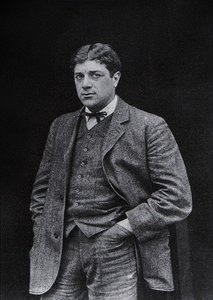
Žoržas Brakas
1882 - 1963 , Prancūzija
Trumpa informacija apie kūrėją
- Artistic Movement Or Style: Kubizmo ir Fauvizmo
- Artists Who Influenced This Artist:
- Henri Matisse
- André Derain
- Pablo Picasso
- Date Of Birth: 1882-05-13
- Date Of Death: 1963
- Full Name: Georges Braque
- Nationality: Prancūzas
- Notable Artworks:
- Žinomas namai L'Estaque
- Kantrybė
- Violonas ir Paletė
- Place Of Birth: Argenteuil, Prancūzija
Susiję straipsniai

Cubism Unveiled: How Picasso and Braque Redefined Reality Through Geometric Abstraction
Explore the revolutionary world of Cubism. Discover how masters Pablo Picasso and Georges Braque dismantled reality through geometric abstraction to redefine modern art history.

Geometrinės Abstrakcijos Šedevrai: 10 Kūrinių, Pakeitusių Meną | AllPaintingsStore.com
Atraskite 10 geometrinės abstrakcijos šedevrų – nuo Mondriano iki Malevičiaus! Sužinokite apie Piet Mondrian, Kazimir Malevič ir kitus menininkus. Meno kūriniai jūsų interjerui | AllPaintingsStore.com
Georges Braque: 25 Šedevrai, Keičiantys Jūsų Interjerą | AllPaintingsStore
Atraskite 25 Georges Braque šedevrus! Kubizmo meistro paveikslai, interjero dekoras ir meno istorija. Meno reprodukcijos aukščiausia kokybe – AllPaintingsStore.com. Išsamesnės informacijos rasite internetu.

Georges Seurat: 25 Šedevrai, Apšviečiantys Modernaus Meno Takus | AllPaintingsStore
Atraskite 25 Georges Seurat šedevrus! Išsami analizė, istorijos ir įkvėpimas interjero dizainui. Pointilizmo meistras, impresionizmas ir chromoluminarizmas – viskas AllPaintingsStore.com. Explore the full collection online!

Georges Braque: Pioneering Cubism & the Evolution of Modern Form
Explore the revolutionary art of Georges Braque, a pioneer of Cubism alongside Picasso. Discover his artistic evolution, key works, and lasting impact on modern art. A guide for discerning collectors.


