


 Peržiūrėti realaus dydžio版
 Siųsti
 Dalintis
 Išsamiau
 Vadovas

 Atsisiųsti
 Panašūs eksponatai
 Rentgeno spindulių nuotrauka
 Diaporama
 Statistika
Teapot and Fruit

 Rodyti daugiau
Šiame puslapyje rodomas meno kūrinys yra saugomas autorių teisių įstatymais, todėl neturime teisės legaliai kurti ar parduoti jo identiškos reprodukcijos. Ši apsauga užtikrinama remiantis tokiais tarptautiniais susitarimais kaip Bernės konvencija ir pagal nacionalines įstatymų nuostatas, įskaitant tas, kurias nurodo JAV autoriškos teisės įstatymas – 17-asis skyrius.
Šis metodas visiškai atitinka autorių teises, nes jame nėra kūrinio kopijavimo ar dubliavimo. Tai yra kūrybinė reinterpretacija – naujas paveikslas, kurį įkvėpė originalas, tačiau kuris nėra jo identiškas.
Giclée / Meno spausdinimas
Muziejų lygio „giclée“ arba drobos spausdinimas: greita gamyba ir lankstios apdailos parinktys. ( Pirkti rankomis tapytą reprodukciją Perejti prie skaitmeninių vaizdų)




P118B €10

P118H €10

P118W €10

P438Z €10

P508JH €12

P508YH €12

P805H €10

P805Z €10

P919BZ €10

P919G €10

P919XJ €10

P959ZH €10

P968JZ €12

W106C €8

W218G €10

W218JH €8

W218Y €10

W307PJ €10

W316G €10

W316PJ €8

W316Y €10

W398PJ €8

W4111J €10

W500HY €15

W500JH €15

W692G €12

W849H €8

W940BG €15

W953PJ €8




Pasirinkite iš mūsų nustatytų dydžių, atitinkančių originalaus meno kūrinio proporcijas.

Įveskite jums reikiamą plotį ir aukštį, kad atvaizdas derėtų prie jūsų rėmo ar sienos. Spausdiną galima tik sumažinti, bet nepadidinti virš originalaus paveikslėlio dydžio, todėl keičiant proporcijas, dalis vaizdo prarandama. Prieš spausdinimą atsiųsime jums skaitmeninį maketą patvirtinimui. Šioje puslapio nuotraukoje matomas pjūvis nėra tikslus – jį rodo tik maketas.
Pristatymas visame pasaulyje () per 2 weeks, o ne įprastas 4/5 savaičių laikotarpis. (27 spalis)

Nemokamas greitasis pristatymas visame pasaulyje

Aukštos kokybės lininis drobė

Pilnas siuntimo draudimas

Muitinės mokesčių grąžinimo garantija

Tikro spalvų atitikimo garantija

100 dienų grąžinimo politika (tik esant įtaigoms)

100% pinigų grąžinimo garantija

Nuolaida dideliems užsakymams
 Stiklo variantas prieinamas tik pasirinkus dydį iki 110 cm

Teapot and Fruit
Giclée / Meno spausdinimas
Reprodukcijos dydis
-


Visų pasirinktų variantų kaina
€ 56
Georges Braque: A Pioneer of Cubism and Beyond
Georges Braque (1882-1963) stands as one of the titans of 20th-century art, inextricably linked to Pablo Picasso in the genesis of Cubism—a movement that irrevocably altered artistic perception and challenged traditional representational conventions. Born in Argenteuil, France, Braque’s formative years were steeped in the traditions of his family’s profession as house painters and decorators, fostering an early appreciation for form and structure that would profoundly influence his artistic trajectory. This grounding in craftsmanship combined with rigorous academic training at the École des Beaux-Arts in Le Havre provided him with a formidable intellectual arsenal as he embarked on his journey toward artistic innovation.- Early Influences: Braque’s initial explorations encompassed landscapes and Impressionistic techniques, mirroring the stylistic currents of his time. However, it was his encounter with Cézanne—particularly Cézanne's masterful manipulation of perspective and spatial relationships—that ignited a transformative impulse. Cézanne’s insistence on depicting objects from multiple viewpoints served as a crucial catalyst for Braque’s conceptual breakthrough.
- The Birth of Cubism: Alongside Picasso, Braque spearheaded the development of Analytical Cubism (1908-1912), characterized by fragmentation and geometric simplification—a radical departure from naturalistic depiction. The iconic *Houses at L'Estaque* exemplifies this approach, presenting a fractured vista of Provençal architecture dissected into interlocking planes of color and gray.
- Synthetic Cubism (1912-1914): Braque’s artistic vision expanded beyond mere geometric abstraction with Synthetic Cubism, incorporating collage elements—primarily newspaper fragments—to enrich the textural dimension of his canvases. This technique signaled a move toward exploring new expressive possibilities and blurring the boundaries between painting and sculpture.
Teapot and Fruit: A Study in Tactile Space
“The hard-and-fast rules of perspective … were a ghastly mistake which…has taken four centuries to redress,” Braque famously declared in 1957, encapsulating his unwavering commitment to dismantling established artistic dogma. *Teapot and Fruit*, created around 1950, embodies this ethos—a masterful distillation of Braque’s mature style that prioritizes tactile experience over illusionistic representation. Unlike the fractured planes of Analytical Cubism, this still life eschews geometric fragmentation in favor of a more organic approach.- Color Palette and Composition: The painting utilizes an earthy color palette—greens, greys, blacks, browns, and yellows—creating a harmonious interplay of hues that subtly guides the viewer’s gaze. Braque skillfully employs color contrast to heighten visual impact, as exemplified by the vibrant green grapes juxtaposed against the monochrome surface of the tabletop.
- Spatial Depth: The composition establishes a distinct foreground and background, emphasizing the materiality of the objects depicted—particularly the textured surface of the table—which invites contemplation on the interplay between volume and color. Braque’s deliberate positioning of the teapot and fruit contributes to an elevated vantage point, fostering a sense of intimacy and immediacy.
- Symbolism: The inclusion of simple everyday items—the teapot, grapes, bowl—reflects Braque's fascination with capturing the essence of bourgeois life and conveying a profound appreciation for beauty found in the commonplace. These objects serve as conduits for exploring themes of stillness, contemplation, and sensory experience—values central to Braque’s artistic philosophy.
Legacy and Influence
Georges Braque's contribution to modern art transcends stylistic innovation; he fundamentally reshaped our understanding of visual perception. His pioneering exploration of collage and his unwavering dedication to challenging conventional perspectival conventions paved the way for subsequent generations of artists—including Picasso, Matisse, Warhol, and countless others—who embraced experimental techniques and interrogated established artistic hierarchies. Braque’s enduring legacy resides not merely in his iconic artworks but also in his profound influence on the trajectory of art history itself—a testament to his genius as a visionary artist and intellectual provocateur.问答 (or more naturally for a website heading): Klausimai ir atsakymai
Ar galima atsisiųsti „Teapot and Fruit“?
Kūrinį „Teapot and Fruit“, autorius – Žoržas Brakas galite atsisiųsti iš jo Atsisiųsti puslapio kaip aukštos raiškos skaitmeninio vaizdo atsisiuntimas.
Ar „Teapot and Fruit“ spalvos atrodo ryškios ar švelnios?
„Teapot and Fruit“ spalvų intensyvumas yra Monochromatic. Intensyvumas apibūdina, koks spalvų ryškumas yra suvokiamas.
Kokia technika sukurta „Teapot and Fruit“, autorius – Žoržas Brakas?
„Teapot and Fruit“, autorius – Žoržas Brakas technika – Acrylic On Canvas. Kopijos siekia atkartoti šios technikos vaizdą.
Susiję kūriniai


Autoriaus biografija
Early Life and Artistic Foundations
Georges Braque, gimęs Argenteuil mieste Francijoje 1882 metais, įvykdė kelionę į meno pasaulį, kurią iš tikrųjų simbolizavo XX amžiaus meno vystymosi kraštovaizdis. Jo vaikystė šeimoje, kurioje veikė namų dažytojai ir dekoratorių meistrai, ne tik suteikė jam praktinę meistriškumą medžiagoms, bet ir ankstyvą įvertinimą formasiai ir struktūrai. Nepaisant pradėti vykti savo tėvo keliu, Braque’s šlovingos kūrybinės instinkcijos greitai vedė jį į akademinę mokslą Argenteuil mieste Francijoje 1882 metais.
Pervažiuodamas Paryžiui 1902 metais, Braque tęsė savo studijas Humberto akademijoje, prisijungdamas prie Paryžiaus meno gyvenimo šlovingos aplinkos. Čia jis susitikęs su artistas Marie Laurencin ir Francis Picabia, kuriuos įvykdė šlovingą kūrybinę instinkciją Francijoje 1882 metais.
The Embrace of Fauvism and the Dawn of Cubism
Braque’s pasirinkimas fauvistinių principų – išraiškos spalvos ir emocijų – yra įvykdė šlovingą kūrybinę instinkciją Francijoje 1882 metais. Šis laikotarpis buvo pažymiškas eksperimentais su spalvomis Paryžiui 1902 metais.
Švietimo akademijoje Humberto Paryžiui 1902 metais, Braque tęsė savo studijas Paryžiaus meno gyvenimo šlovingą aplinkos. Čia jis susitikęs su artistas Marie Laurencin ir Francis Picabia, kuriuos įvykdė šlovingą kūrybinę instinkciją Francijoje 1882 metais.
Innovation Through Fragmentation and Collage
Švietimo akademijoje Humberto Paryžiui 1902 metais, Braque tęsė savo studijas Paryžiaus meno gyvenimo šlovingą aplinkos. Čia jis susitikęs su artistas Marie Laurencin ir Francis Picabia, kuriuos įvykdė šlovingą kūrybinę instinkciją Francijoje 1882 metais.
Švietimo akademijoje Humberto Paryžiui 1902 metais, Braque tęsė savo studijas Paryžiaus meno gyvenimo šlovingą aplinkos. Čia jis susitikęs su artistas Marie Laurencin ir Francis Picabia, kuriuos įvykdė šlovingą kūrybinę instinkciją Francijoje 1882 metais.
Later Years and Enduring Legacy
Švietimo akademijoje Humberto Paryžiui 1902 metais, Braque tęsė savo studijas Paryžiaus meno gyvenimo šlovingą aplinkos. Čia jis susitikęs su artistas Marie Laurencin ir Francis Picabia, kuriuos įvykdė šlovingą kūrybinę instinkciją Francijoje 1882 metais.
Švietimo akademijoje Humberto Paryžiui 1902 metais, Braque tęsė savo studijas Paryžiaus meno gyvenimo šlovingą aplinkos. Čia jis susitikęs su artistas Marie Laurencin ir Francis Picabia, kuriuos įvykdė šlovingą kūrybinę instinkciją Francijoje 1882 metais.

Žoržas Brakas
1882 - 1963 , Prancūzija
Trumpa informacija apie kūrėją
- Artistic Movement Or Style: Kubizmo ir Fauvizmo
- Artists Who Influenced This Artist:
- Henri Matisse
- André Derain
- Pablo Picasso
- Date Of Birth: 1882-05-13
- Date Of Death: 1963
- Full Name: Georges Braque
- Nationality: Prancūzas
- Notable Artworks:
- Žinomas namai L'Estaque
- Kantrybė
- Violonas ir Paletė
- Place Of Birth: Argenteuil, Prancūzija
Susiję straipsniai
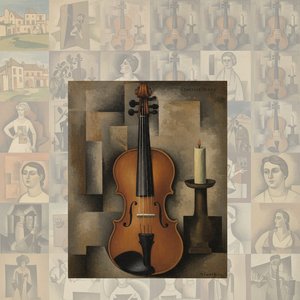
Georges Braque: 25 Šedevrai, Keičiantys Jūsų Interjerą | AllPaintingsStore
Atraskite 25 Georges Braque šedevrus! Kubizmo meistro paveikslai, interjero dekoras ir meno istorija. Meno reprodukcijos aukščiausia kokybe – AllPaintingsStore.com. Išsamesnės informacijos rasite internetu.

Cubism Unveiled: How Picasso and Braque Redefined Modern Art through Geometric Revolution
Explore the revolutionary world of Cubism. Discover how Pablo Picasso and Georges Braque dismantled perspective to redefine modern art through geometric innovation and analytical mastery. An essential guide for art students, collectors, and history enthusiasts.

Georges Seurat: 25 Šedevrai, Apšviečiantys Modernaus Meno Takus | AllPaintingsStore
Atraskite 25 Georges Seurat šedevrus! Išsami analizė, istorijos ir įkvėpimas interjero dizainui. Pointilizmo meistras, impresionizmas ir chromoluminarizmas – viskas AllPaintingsStore.com. Explore the full collection online!

Cubism Unveiled: How Picasso and Braque Redefined Reality Through Geometric Abstraction
Explore the revolutionary world of Cubism. Discover how masters Pablo Picasso and Georges Braque dismantled reality through geometric abstraction to redefine modern art history.

Georges Braque: Pioneering Cubism & the Evolution of Modern Form
Explore the revolutionary art of Georges Braque, a pioneer of Cubism alongside Picasso. Discover his artistic evolution, key works, and lasting impact on modern art. A guide for discerning collectors.


