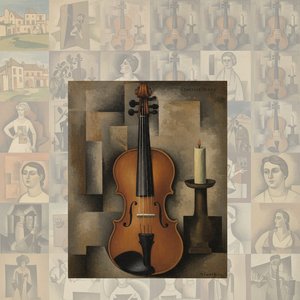
1961. Oil On Canvas.

§ 1Catalogue data


Šis kūrinys yra saugomas autorinės teisės
Šiame puslapyje rodomas meno kūrinys yra saugomas autorių teisių įstatymais, todėl neturime teisės legaliai kurti ar parduoti jo identiškos reprodukcijos. Ši apsauga užtikrinama remiantis tokiais tarptautiniais susitarimais kaip Bernės konvencija ir pagal nacionalines įstatymų nuostatas, įskaitant tas, kurias nurodo JAV autoriškos teisės įstatymas – 17-asis skyrius.
Kaip pagarbią ir teisėtą alternatyvą, mes siūlome pagal užsakymą rankomis dažytus paveikslus, įkvėptus originalo. Mūsų įgudę ir profesionalūs menininkai kruopščiai tiria originalo stilių, nuotaiką ir meninę esmę, kad sukurtų naują, unikalią kūrinį, kuris sukelia tą paties jausmą – išlikdamas tuo tarciau originaliu, savarankišku kūrybiniu darbu.
Šis metodas visiškai atitinka autorių teises, nes jame nėra saugomo kūrinio kopijavimo ar dubliavimo. Tai yra kūrybinė reinterpretacija – naujas paveikslas, kurį įkvėpė originalas, tačiau kuris nėra jo identiškas.
 Skaityti daugiau
§ 2Abstract
Kolekcinio objekto aprašas
Explore Georges Braque’s ‘The Bicycle,’ a surreal Fauvist masterpiece! Vibrant colors & expressive brushwork depict stillness through dynamic abstraction. A unique art piece.
Autoriaus biografija
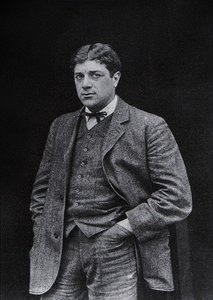
Žemiau yra lietuviška meta aprašymas apie Georges Braque (150-250 simbolių): Georges Braque buvo kubizmo revoliucija ir įtakingas impresionistų pasektijas. Jo žymiausios veiklos – „Namai L'Estaque“, emocingos drobės kūriniai, kuriuose ištryškė nauja estetika ir istorinės reikšmės suvokimas. Kubizmui jis sukėlė pasaulinį susišalinimą nuo tradicinių principų.
§ 3Commentary
A Vision of Modernity: Decoding Braque’s ‘The Bicycle’
Georges Braque's 1961 painting, *The Bicycle*, is far more than a depiction of a common object; it’s a compelling exploration of modernity, movement, and the evolving relationship between humanity and technology. While Braque is celebrated as a pioneer of Cubism, this work reveals his continued engagement with Fauvist principles – a vibrant palette and expressive brushwork – applied to a subject matter that speaks to the burgeoning 20th century.Subject & Composition: Stillness Within Motion
The painting centers around a bicycle, an emblem of freedom and progress at the time. However, Braque doesn’t present it in dynamic action. Instead, the bicycle appears almost suspended, static within a swirling composition of abstracted forms and bold colors. This deliberate stillness invites contemplation – what does this symbol of movement *mean* when divorced from motion? The surrounding shapes aren't merely background; they seem to interact with the bicycle, perhaps representing the environment it traverses or even the rider’s experience.Style & Technique: Fauvism Reimagined
Braque masterfully employs a Fauvist sensibility in *The Bicycle*. The canvas explodes with intense hues – purples, pinks, and blues dominate, creating a dreamlike atmosphere. His brushstrokes are visible and energetic, contributing to the painting’s overall dynamism despite the bicycle's stillness. This isn’t a precise rendering; it’s an emotional response *to* the object, conveyed through color and texture. The impasto technique – applying paint thickly – adds depth and physicality to the work, drawing the viewer in.Historical Context: Post-War Reflections
Painted in 1961, after the devastation of World War II, *The Bicycle* can be interpreted as a reflection on rebuilding and reimagining life. The bicycle, though simple, represents personal transportation and independence – qualities that would have resonated deeply during a period of recovery and societal shift. Braque’s continued exploration of non-Cubist styles in his later years demonstrates an artistic restlessness and a desire to continually redefine his approach.Symbolism & Emotional Impact: A Fragmented Dreamscape
The ambiguity inherent in the painting is key to its power. The distorted forms and surreal atmosphere evoke a sense of unease, perhaps mirroring the anxieties of the modern world. Is this bicycle a symbol of hope or a relic of a bygone era? The lack of clear narrative allows for multiple interpretations, making it a deeply personal experience for each viewer. It’s a fragmented dreamscape where recognizable elements are juxtaposed with fantastical shapes, prompting questions about identity, progress, and the human condition.Braque's Legacy: Beyond Cubism
While Braque is rightfully remembered as a founding father of Cubism alongside Pablo Picasso, works like *The Bicycle* demonstrate his versatility and enduring artistic vision. He wasn’t confined by labels; he continually experimented with different styles and techniques throughout his career. This painting serves as a reminder that even the most groundbreaking artists are capable of surprising us with new facets of their creativity.Collecting & Interior Design
A reproduction of *The Bicycle* would be a striking addition to any art collection or interior space. Its bold colors and dynamic composition make it a focal point, while its underlying themes invite conversation and contemplation. It complements modern and contemporary interiors particularly well, adding a touch of intellectual sophistication and artistic flair. The painting’s energy can enliven a living room, study, or office, sparking creativity and inspiring thought.- Style: Fauvism, Modern Art
- Technique: Oil on Canvas, Impasto
- Colors: Purple, Pink, Blue, with vibrant accents
- Emotional Impact: Thought-provoking, Surreal, Dynamic yet Still
Klausimai ir atsakymai
Kur rekomenduojama eksponuoti „The Bicycle“ Portrait formatą?
„The Bicycle“ – Žoržas Brakas formatas Portrait rekomenduojamas Living Room erdvėje. Formatas ir erdvė kartu padeda tinkamai išdėsti reprodukciją.
Kokio tipo kūrinys yra „The Bicycle“ – Žoržas Brakas?
„The Bicycle“ yra WallArt kūrinys.
Kaip medžiaga ir judėjimas susilieja darbe „The Bicycle“?
„The Bicycle“ – Žoržas Brakas sujungia Oil On Canvas techniką su Cubism stiliumi. Technika ir stilius apibūdina kūrinio gamybos būdą bei jo estetinį iš Ausdrucką.


 Perjungti į spausdinamus版作品


 Dėl meno kūrinių ar reprodukcijų, kurių bet kuri pusė yra didesnė nei 105 cm (apie 41 inch), rėmas bus siunčiamas kaip išskaidytas surinkimo rinkinys. Šis metodas užtikrina saugų pristatymą ir apsaugo nuo transportavimo metu galimos žalos.