


 Peržiūrėti realaus dydžio版
 Siųsti
 Dalintis
 Išsamiau
 Vadovas

 Atsisiųsti
 Panašūs eksponatai
 Rentgeno spindulių nuotrauka
 Diaporama
 Statistika
The Descent into Hell


 Rodyti daugiau
Šiame puslapyje rodomas meno kūrinys yra saugomas autorių teisių įstatymais, todėl neturime teisės legaliai kurti ar parduoti jo identiškos reprodukcijos. Ši apsauga užtikrinama remiantis tokiais tarptautiniais susitarimais kaip Bernės konvencija ir pagal nacionalines įstatymų nuostatas, įskaitant tas, kurias nurodo JAV autoriškos teisės įstatymas – 17-asis skyrius.
Šis metodas visiškai atitinka autorių teises, nes jame nėra kūrinio kopijavimo ar dubliavimo. Tai yra kūrybinė reinterpretacija – naujas paveikslas, kurį įkvėpė originalas, tačiau kuris nėra jo identiškas.
Giclée / Meno spausdinimas
Muziejų lygio „giclée“ arba drobos spausdinimas: greita gamyba ir lankstios apdailos parinktys. ( Pirkti rankomis tapytą reprodukciją Perejti prie skaitmeninių vaizdų)




P118B €10

P118H €10

P118W €10

P438Z €10

P508JH €12

P508YH €12

P805H €10

P805Z €10

P919BZ €10

P919G €10

P919XJ €10

P959ZH €10

P968JZ €12

W106C €8

W218G €10

W218JH €8

W218Y €10

W307PJ €10

W316G €10

W316PJ €8

W316Y €10

W398PJ €8

W4111J €10

W500HY €15

W500JH €15

W692G €12

W849H €8

W940BG €15

W953PJ €8




Pasirinkite iš mūsų nustatytų dydžių, atitinkančių originalaus meno kūrinio proporcijas.

Įveskite jums reikiamą plotį ir aukštį, kad atvaizdas derėtų prie jūsų rėmo ar sienos. Spausdiną galima tik sumažinti, bet nepadidinti virš originalaus paveikslėlio dydžio, todėl keičiant proporcijas, dalis vaizdo prarandama. Prieš spausdinimą atsiųsime jums skaitmeninį maketą patvirtinimui. Šioje puslapio nuotraukoje matomas pjūvis nėra tikslus – jį rodo tik maketas.
Pristatymas visame pasaulyje () per 2 weeks, o ne įprastas 4/5 savaičių laikotarpis. (23 spalis)

Nemokamas greitasis pristatymas visame pasaulyje

Aukštos kokybės lininis drobė

Pilnas siuntimo draudimas

Muitinės mokesčių grąžinimo garantija

Tikro spalvų atitikimo garantija

100 dienų grąžinimo politika (tik esant įtaigoms)

100% pinigų grąžinimo garantija

Nuolaida dideliems užsakymams
 Stiklo variantas prieinamas tik pasirinkus dydį iki 110 cm

The Descent into Hell
Giclée / Meno spausdinimas
Reprodukcijos dydis
-


Visų pasirinktų variantų kaina
€ 56
Georges Braque's *The Descent into Hell*: A Study in Fragmented Reality
Georges Braque’s *The Descent into Hell*, painted circa 1932, is a powerfully unsettling work that exemplifies the artist’s pivotal role in the development of Cubism and his exploration of psychological states. This seemingly simple depiction – a central bird amidst a scattering of fish and supporting birds – belies a complex layering of meaning rooted in the anxieties of the interwar period and Braque's own intensely personal struggles with mental health. The painting’s raw emotional impact stems from its deliberate ambiguity, forcing the viewer to confront unsettling questions about mortality, chaos, and the fractured nature of perception.
- Subject Matter: The central figure, a bird in mid-flight, immediately evokes notions of transcendence and spiritual aspiration. However, this is quickly undermined by the surrounding elements – the fish, traditionally symbols of death and the underworld, and the other birds, potentially representing fragmented memories or lost souls.
- Style & Technique: Braque’s masterful use of muted earth tones—ochres, browns, and grays—creates a somber atmosphere, characteristic of his mature Cubist style. The painting is rendered with meticulous detail, employing a technique of broken planes and multiple perspectives to dismantle traditional representation. This fragmentation isn't merely stylistic; it mirrors the psychological disintegration suggested by the subject matter.
Historical Context & the Rise of Psychological Art
Painted during a period of immense social and political upheaval – the Great Depression and the looming threat of World War II – *The Descent into Hell* reflects the broader artistic trends of the time. The rise of Cubism, pioneered by Braque and Pablo Picasso, was directly influenced by a desire to move beyond representational illusionism and explore the underlying structure of reality. Furthermore, this period witnessed an increased interest in psychology and psychoanalysis, with artists like Freud gaining prominence. This fascination with the subconscious fueled a shift towards art that explored subjective experience and emotional turmoil – a trend powerfully evident in Braque’s work.
- Cubism's Influence: Braque’s approach to Cubism—particularly his emphasis on geometric forms and multiple viewpoints—challenged conventional notions of space and perspective.
- Expression of Anxiety: The painting can be interpreted as a visual manifestation of the anxieties prevalent in Europe during this era, reflecting a sense of disorientation and uncertainty about the future.
Symbolism & Interpretation
The symbolism within *The Descent into Hell* is deliberately open to interpretation, adding to its enduring power. The bird’s flight can be seen as an attempt to escape a dark fate, while the fish represent the inescapable pull of death and decay. The arrangement of these elements – seemingly random yet carefully constructed – suggests a descent not just into physical hell but also into the depths of the human psyche. The repetition of birds reinforces this idea of fractured identity and lost direction.
- The Bird as Symbol: Birds have long been associated with spirituality, freedom, and transcendence; however, in Braque’s work, this symbolism is complicated by the surrounding imagery.
- Color Palette & Mood: The subdued color palette contributes significantly to the painting's melancholic mood, enhancing its emotional impact.
A Timeless Masterpiece – Recreated for Your Collection
AllPaintingsStore.com is proud to offer a meticulously crafted hand-painted reproduction of Georges Braque’s *The Descent into Hell*. This artwork captures the essence of Braque's genius, allowing you to experience its profound emotional depth and intellectual complexity in your own space. Whether for a private collection or as a striking interior design element, this reproduction provides an authentic connection to one of the most significant works of modern art. Own a piece of history – own a fragment of Braque’s soul.
问答 (or more naturally for a website heading): Klausimai ir atsakymai
Kas yra „The Descent into Hell“?
„The Descent into Hell“, autorius – Žoržas Brakas temos apima bird imagery, marine elements, geometric forms, analytical cubism, figure depiction, hell motif, braque's style. Kartu jie apibendrina šio kūrinio tematiką.
Kokio erdvės spalvos derėtų prie „The Descent into Hell“, autorius – Žoržas Brakas spalvų?
„The Descent into Hell“, autorius – Žoržas Brakas Pastels spalvos dera su rekomenduojama erdvė: tai Reception.
Kokį Žoržas Brakas kūrybos etapą atspindi „The Descent into Hell“?
„The Descent into Hell“ priklauso Žoržas Brakas kūrybos karjeros Analytical Cubism etapui. Ši klasifikacija susietas su kūrinio ryšiu su menininko evoliucija.
Susiję kūriniai


Autoriaus biografija
Early Life and Artistic Foundations
Georges Braque, gimęs Argenteuil mieste Francijoje 1882 metais, įvykdė kelionę į meno pasaulį, kurią iš tikrųjų simbolizavo XX amžiaus meno vystymosi kraštovaizdis. Jo vaikystė šeimoje, kurioje veikė namų dažytojai ir dekoratorių meistrai, ne tik suteikė jam praktinę meistriškumą medžiagoms, bet ir ankstyvą įvertinimą formasiai ir struktūrai. Nepaisant pradėti vykti savo tėvo keliu, Braque’s šlovingos kūrybinės instinkcijos greitai vedė jį į akademinę mokslą Argenteuil mieste Francijoje 1882 metais.
Pervažiuodamas Paryžiui 1902 metais, Braque tęsė savo studijas Humberto akademijoje, prisijungdamas prie Paryžiaus meno gyvenimo šlovingos aplinkos. Čia jis susitikęs su artistas Marie Laurencin ir Francis Picabia, kuriuos įvykdė šlovingą kūrybinę instinkciją Francijoje 1882 metais.
The Embrace of Fauvism and the Dawn of Cubism
Braque’s pasirinkimas fauvistinių principų – išraiškos spalvos ir emocijų – yra įvykdė šlovingą kūrybinę instinkciją Francijoje 1882 metais. Šis laikotarpis buvo pažymiškas eksperimentais su spalvomis Paryžiui 1902 metais.
Švietimo akademijoje Humberto Paryžiui 1902 metais, Braque tęsė savo studijas Paryžiaus meno gyvenimo šlovingą aplinkos. Čia jis susitikęs su artistas Marie Laurencin ir Francis Picabia, kuriuos įvykdė šlovingą kūrybinę instinkciją Francijoje 1882 metais.
Innovation Through Fragmentation and Collage
Švietimo akademijoje Humberto Paryžiui 1902 metais, Braque tęsė savo studijas Paryžiaus meno gyvenimo šlovingą aplinkos. Čia jis susitikęs su artistas Marie Laurencin ir Francis Picabia, kuriuos įvykdė šlovingą kūrybinę instinkciją Francijoje 1882 metais.
Švietimo akademijoje Humberto Paryžiui 1902 metais, Braque tęsė savo studijas Paryžiaus meno gyvenimo šlovingą aplinkos. Čia jis susitikęs su artistas Marie Laurencin ir Francis Picabia, kuriuos įvykdė šlovingą kūrybinę instinkciją Francijoje 1882 metais.
Later Years and Enduring Legacy
Švietimo akademijoje Humberto Paryžiui 1902 metais, Braque tęsė savo studijas Paryžiaus meno gyvenimo šlovingą aplinkos. Čia jis susitikęs su artistas Marie Laurencin ir Francis Picabia, kuriuos įvykdė šlovingą kūrybinę instinkciją Francijoje 1882 metais.
Švietimo akademijoje Humberto Paryžiui 1902 metais, Braque tęsė savo studijas Paryžiaus meno gyvenimo šlovingą aplinkos. Čia jis susitikęs su artistas Marie Laurencin ir Francis Picabia, kuriuos įvykdė šlovingą kūrybinę instinkciją Francijoje 1882 metais.
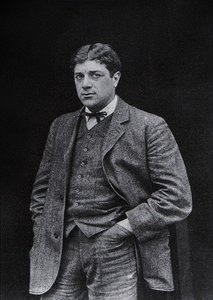
Žoržas Brakas
1882 - 1963 , Prancūzija
Trumpa informacija apie kūrėją
- Artistic Movement Or Style: Kubizmo ir Fauvizmo
- Artists Who Influenced This Artist:
- Henri Matisse
- André Derain
- Pablo Picasso
- Date Of Birth: 1882-05-13
- Date Of Death: 1963
- Full Name: Georges Braque
- Nationality: Prancūzas
- Notable Artworks:
- Žinomas namai L'Estaque
- Kantrybė
- Violonas ir Paletė
- Place Of Birth: Argenteuil, Prancūzija
Susiję straipsniai

AllPaintingsStore.com F.A.Q.: Elevate Your Decor with Premium Textured Giclée Prints
Discover the distinction of AllPaintingsStore.com premium textured Giclée prints. Expertly crafted with archival 12-color pigments and museum-grade substrates, our prints offer unparalleled vividness for the discerning collector seeking luxury, durability, and timeless elegance.


