


 Peržiūrėti realaus dydžio版
 Pasidalinti
 Dalintis
 Išsamiau
 Vadovas

 Atsisiųsti
 Panašūs eksponatai
 Rentgeno spindulių nuotrauka
 Automatinė diorama
 Q&A
Q&A Statistika
The Estaque


 Skaityti daugiau
Šiame puslapyje rodomas meno kūrinys yra saugomas autorių teisių įstatymais, todėl neturime teisės legaliai kurti ar parduoti jo identiškos reprodukcijos. Ši apsauga užtikrinama remiantis tokiais tarptautiniais susitarimais kaip Bernės konvencija ir pagal nacionalines įstatymų nuostatas, įskaitant tas, kurias nurodo JAV autoriškos teisės įstatymas – 17-asis skyrius.
Šis metodas visiškai atitinka autorių teises, nes jame nėra saugomo kūrinio kopijavimo ar dubliavimo. Tai yra kūrybinė reinterpretacija – naujas paveikslas, kurį įkvėpė originalas, tačiau kuris nėra jo identiškas.
Giclée / Meno spausdinimas
Muziejų lygio „giclée“ arba drobos spausdinimas: greita gamyba ir lankstios apdailos parinktys. ( Pirkti rankų darbo tapybą Perejti prie skaitmeninių vaizdų)




P118B €10

P118H €10

P118W €10

P438Z €10

P508JH €12

P508YH €12

P805H €10

P805Z €10

P919BZ €10

P919G €10

P919XJ €10

P959ZH €10

P968JZ €12

W106C €8

W218G €10

W218JH €8

W218Y €10

W307PJ €10

W316G €10

W316PJ €8

W316Y €10

W398PJ €8

W4111J €10

W500HY €15

W500JH €15

W692G €12

W849H €8

W940BG €15

W953PJ €8




Pasirinkite iš mūsų nustatytų dydžių, atitinkančių originalaus meno kūrinio proporcijas.

Įveskite jums reikiamą plotį ir aukštį, kad atvaizdas derėtų prie jūsų rėmo ar sienos. Spausdiną galima tik sumažinti, bet nepadidinti virš originalaus paveikslėlio dydžio, todėl keičiant proporcijas, dalis vaizdo prarandama. Prieš spausdinimą atsiųsime jums skaitmeninį maketą patvirtinimui. Šioje puslapio nuotraukoje matomas pjūvis nėra tikslus – jį rodo tik maketas.
Pristatymas visame pasaulyje () per 2 weeks, o ne įprastas 4/5 savaičių laikotarpis. (29 spalis)

Nemokamas greitasis pristatymas visame pasaulyje

Aukštos kokybės lininis drobė

Pilnas siuntimo draudimas

Muitinės mokesčių grąžinimo garantija

Tikro spalvų atitikimo garantija

100 dienų grąžinimo politika (tik esant įtaigoms)

100% pinigų grąžinimo garantija

Nuolaida dideliems užsakymams
 Stiklo variantas prieinamas tik pasirinkus dydį iki 110 cm

The Estaque
Giclée / Meno spausdinimas
Reprodukcijos matmenys
-


Bendroji kaina
€ 56
A Vibrant Symphony of Light and Life
In the sun-drenched landscape of 1906, Georges Braque captured a moment of pure, unadulterated vitality in his masterpiece, The Estaque. This painting serves as a breathtaking window into a bustling harbor town, where the rhythmic dance of boats upon the water meets the steady, enduring presence of the coastal architecture. As one gazes upon the canvas, the eye is immediately drawn to the lively movement within the harbor; at least twelve vessels of varying sizes drift across the shimmering surface, creating a sense of profound depth and perspective. The scene is not merely a static landscape but a living, breathing ecosystem of activity. Tiny, spirited figures populate the docks and decks, their presence adding a human pulse to the maritime setting. This delicate interplay between the vastness of the sea and the intimate details of daily life creates an atmosphere that is both expansive and deeply personal, inviting the viewer to step into this Mediterranean dream.
The emotional resonance of The Estaque lies in its ability to evoke a sense of nostalgic warmth and summer tranquility. For the art collector or interior designer, this piece offers more than just visual beauty; it provides an emotional anchor for a room. The painting radiates a certain joy—a celebration of light and leisure that can transform a modern living space into a sanctuary of calm and inspiration. There is a palpable sense of movement in the brushwork that suggests the gentle lapping of waves and the distant calls of sailors, making the artwork feel as though it is still vibrating with the energy of that summer day over a century ago.
The Dawn of Fauvism and Technical Mastery
Historically, The Estaque sits at a pivotal crossroads in the evolution of modern art. Painted during Braque's formative years, the work is a brilliant example of the Fauvist style, a movement characterized by its "wild" use of color and expressive brushstrokes. Before his later, more cerebral explorations into Cubism, Braque utilized this period to liberate color from its traditional descriptive role. In this painting, colors are not merely used to replicate reality but to amplify the emotional temperature of the scene. The vibrant hues and bold applications of paint demonstrate a technical mastery that balances spontaneous energy with structural composition.
The technique employed here is nothing short of masterful. Braque utilizes short, powerful strokes that build texture and form, allowing the light to appear as if it is dancing across the water's surface. This approach creates a tactile quality that makes a high-quality reproduction feel incredibly rich and layered. For those looking to adorn a sophisticated interior, the painting’s ability to command attention through its textural complexity and brilliant palette makes it an incomparable centerpiece. It stands as a testament to Braque's early genius—a moment where the technical precision of his craftsman heritage met the radical, expressive spirit of the avant-garde.
A Timeless Vision for the Modern Collector
Beyond its historical significance, The Estaque possesses a timeless aesthetic appeal that transcends eras. Its composition, which balances the ruggedness of the background town with the fluid grace of the foreground boats, offers a perfect harmony of structure and motion. This balance makes it an exceptionally versatile piece for various design aesthetics, from classic European elegance to contemporary minimalist settings. The painting does not merely decorate a wall; it narrates a story of light, movement, and the enduring charm of the French coast.
Investing in a reproduction of such a seminal work allows one to bring a piece of art history into the private sphere. It serves as a constant source of inspiration, reminding the observer of the beauty found in the simple, vibrant moments of existence. Whether placed in a sunlit study or a grand dining hall, The Estaque acts as a portal to a more luminous era, offering a sophisticated touch of French Impressionist and Fauvist splendor that continues to captivate the soul of every viewer.
Klausimai ir atsakymai
Ar „The Estaque“ yra būdingas tam, ką Žoržas Brakas paprastai kūrė?
Tarp užfiksuotų Žoržas Brakas temų – cézanne's influence, fauvist color exploration, early modernism development, pre-cubist transition, southern france landscape – kūrinys „The Estaque“ akcentuoja boats, people, harbor, water, town, landscape.
Kaip medžiaga ir judėjimas susilieja darbe „The Estaque“?
„The Estaque“ – Žoržas Brakas sujungia Oil On Canvas techniką su Fauvism stiliumi. Technika ir stilius apibūdina kūrinio gamybos būdą bei jo estetinį iš Ausdrucką.
Kas sukūrė „The Estaque“ ir kokiais metais?
„The Estaque“ autorius yra Žoržas Brakas, o kūrinys datuojamas 1906 m.
panašūs kūriniai


Autoriaus biografija
Early Life and Artistic Foundations
Georges Braque, gimęs Argenteuil mieste Francijoje 1882 metais, įvykdė kelionę į meno pasaulį, kurią iš tikrųjų simbolizavo XX amžiaus meno vystymosi kraštovaizdis. Jo vaikystė šeimoje, kurioje veikė namų dažytojai ir dekoratorių meistrai, ne tik suteikė jam praktinę meistriškumą medžiagoms, bet ir ankstyvą įvertinimą formasiai ir struktūrai. Nepaisant pradėti vykti savo tėvo keliu, Braque’s šlovingos kūrybinės instinkcijos greitai vedė jį į akademinę mokslą Argenteuil mieste Francijoje 1882 metais.
Pervažiuodamas Paryžiui 1902 metais, Braque tęsė savo studijas Humberto akademijoje, prisijungdamas prie Paryžiaus meno gyvenimo šlovingos aplinkos. Čia jis susitikęs su artistas Marie Laurencin ir Francis Picabia, kuriuos įvykdė šlovingą kūrybinę instinkciją Francijoje 1882 metais.
The Embrace of Fauvism and the Dawn of Cubism
Braque’s pasirinkimas fauvistinių principų – išraiškos spalvos ir emocijų – yra įvykdė šlovingą kūrybinę instinkciją Francijoje 1882 metais. Šis laikotarpis buvo pažymiškas eksperimentais su spalvomis Paryžiui 1902 metais.
Švietimo akademijoje Humberto Paryžiui 1902 metais, Braque tęsė savo studijas Paryžiaus meno gyvenimo šlovingą aplinkos. Čia jis susitikęs su artistas Marie Laurencin ir Francis Picabia, kuriuos įvykdė šlovingą kūrybinę instinkciją Francijoje 1882 metais.
Innovation Through Fragmentation and Collage
Švietimo akademijoje Humberto Paryžiui 1902 metais, Braque tęsė savo studijas Paryžiaus meno gyvenimo šlovingą aplinkos. Čia jis susitikęs su artistas Marie Laurencin ir Francis Picabia, kuriuos įvykdė šlovingą kūrybinę instinkciją Francijoje 1882 metais.
Švietimo akademijoje Humberto Paryžiui 1902 metais, Braque tęsė savo studijas Paryžiaus meno gyvenimo šlovingą aplinkos. Čia jis susitikęs su artistas Marie Laurencin ir Francis Picabia, kuriuos įvykdė šlovingą kūrybinę instinkciją Francijoje 1882 metais.
Later Years and Enduring Legacy
Švietimo akademijoje Humberto Paryžiui 1902 metais, Braque tęsė savo studijas Paryžiaus meno gyvenimo šlovingą aplinkos. Čia jis susitikęs su artistas Marie Laurencin ir Francis Picabia, kuriuos įvykdė šlovingą kūrybinę instinkciją Francijoje 1882 metais.
Švietimo akademijoje Humberto Paryžiui 1902 metais, Braque tęsė savo studijas Paryžiaus meno gyvenimo šlovingą aplinkos. Čia jis susitikęs su artistas Marie Laurencin ir Francis Picabia, kuriuos įvykdė šlovingą kūrybinę instinkciją Francijoje 1882 metais.
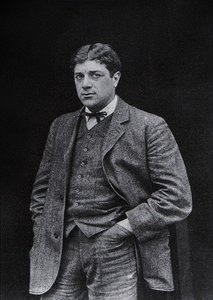
Žoržas Brakas
1882 - 1963 , Prancūzija
Trumpa informacija
- Artistic Movement Or Style: Kubizmo ir Fauvizmo
- Artists Who Influenced This Artist:
- Henri Matisse
- André Derain
- Pablo Picasso
- Date Of Birth: 1882-05-13
- Date Of Death: 1963
- Full Name: Georges Braque
- Nationality: Prancūzas
- Notable Artworks:
- Žinomas namai L'Estaque
- Kantrybė
- Violonas ir Paletė
- Place Of Birth: Argenteuil, Prancūzija
Susiję straipsniai

Mastering Cubism: The Top 25 Essential Georges Braque Artworks
Journey through the revolutionary world of Georges Braque. Explore 25 iconic Cubist masterpieces, from geometric abstractions to Fauvist colors. Find inspiration for your collection with museum-quality art reproductions and curated decor ideas. Discover all masterpieces on AllPaintingsStore.com.

Beyond the Horizon: 10 Masterpieces That Redefine Landscape Art
Journey through history with 10 iconic landscape paintings that capture the soul of nature. From Impressionist light to Romantic vistas, explore the stories behind these timeless masterpieces and find museum-quality reproductions for your decor. Discover all masterpieces on AllPaintingsStore.com

Mastering Light: The Top 25 Essential Artworks by Georges Seurat
Immerse yourself in the luminous world of Georges Seurat. Explore 25 iconic Pointillist masterpieces, from color theory to timeless beauty. Find museum-quality art reproductions and curated decor inspiration for your home. Discover all masterpieces on AllPaintingsStore.com.

Capturing a Vanishing World: The 25 Best Artworks by George Catlin
Journey through history with the 25 most iconic artworks by George Catlin. Explore his vibrant portraits of Native American life and legendary frontier landscapes. Find museum-quality art reproductions and curated decor inspiration. Discover all masterpieces on AllPaintingsStore.com.

Mastering the Portrait: The Top 25 Iconic Artworks by George Romney
Immerse yourself in the elegance of 18th-century British portraiture. Explore our curated guide to the top 25 George Romney masterpieces, from soulful character studies to iconic classics. Find museum-quality art reproductions for your decor. Discover all masterpieces on AllPaintingsStore.com.


