


 Peržiūrėti realaus dydžio版
 Pasidalinti
 Dalintis
 Išsamiau
 Vadovas

 Atsisiųsti
 Panašūs eksponatai
 Rentgeno spindulių nuotrauka
 Automatinė diorama
 Q&A
Q&A Statistika
The Studio (III)

- 144.0 x 174.0 cm


 Skaityti daugiau
Šiame puslapyje rodomas meno kūrinys yra saugomas autorių teisių įstatymais, todėl neturime teisės legaliai kurti ar parduoti jo identiškos reprodukcijos. Ši apsauga užtikrinama remiantis tokiais tarptautiniais susitarimais kaip Bernės konvencija ir pagal nacionalines įstatymų nuostatas, įskaitant tas, kurias nurodo JAV autoriškos teisės įstatymas – 17-asis skyrius.
Šis metodas visiškai atitinka autorių teises, nes jame nėra saugomo kūrinio kopijavimo ar dubliavimo. Tai yra kūrybinė reinterpretacija – naujas paveikslas, kurį įkvėpė originalas, tačiau kuris nėra jo identiškas.
Giclée / Meno spausdinimas
Muziejų lygio „giclée“ arba drobos spausdinimas: greita gamyba ir lankstios apdailos parinktys. ( Pirkti rankų darbo tapybą Perejti prie skaitmeninių vaizdų)




P118B €10

P118H €10

P118W €10

P438Z €10

P508JH €12

P508YH €12

P805H €10

P805Z €10

P919BZ €10

P919G €10

P919XJ €10

P959ZH €10

P968JZ €12

W106C €8

W218G €10

W218JH €8

W218Y €10

W307PJ €10

W316G €10

W316PJ €8

W316Y €10

W398PJ €8

W4111J €10

W500HY €15

W500JH €15

W692G €12

W849H €8

W940BG €15

W953PJ €8




Pasirinkite iš mūsų nustatytų dydžių, atitinkančių originalaus meno kūrinio proporcijas.

Įveskite jums reikiamą plotį ir aukštį, kad atvaizdas derėtų prie jūsų rėmo ar sienos. Spausdiną galima tik sumažinti, bet nepadidinti virš originalaus paveikslėlio dydžio, todėl keičiant proporcijas, dalis vaizdo prarandama. Prieš spausdinimą atsiųsime jums skaitmeninį maketą patvirtinimui. Šioje puslapio nuotraukoje matomas pjūvis nėra tikslus – jį rodo tik maketas.
Pristatymas visame pasaulyje () per 2 weeks, o ne įprastas 4/5 savaičių laikotarpis. (31 spalis)

Nemokamas greitasis pristatymas visame pasaulyje

Aukštos kokybės lininis drobė

Pilnas siuntimo draudimas

Muitinės mokesčių grąžinimo garantija

Tikro spalvų atitikimo garantija

100 dienų grąžinimo politika (tik esant įtaigoms)

100% pinigų grąžinimo garantija

Nuolaida dideliems užsakymams
 Stiklo variantas prieinamas tik pasirinkus dydį iki 110 cm

The Studio (III)
Giclée / Meno spausdinimas
Reprodukcijos matmenys
-


Bendroji kaina
€ 57
A Fragmented Workspace
The painting The Studio (III), executed by Georges Braque in 1949, presents a room viewed through a fractured lens. The composition is built from geometric planes, primarily rectangular and angular shapes that overlap to reconstruct the interior of an artist's workspace. Within this space, several objects are discernible: a chair, a table, a window, knives, and a clock. These elements do not appear as unified, continuous forms but are instead dissected into intersecting fragments. The palette is restrained, consisting largely of browns, ochres, and creams. This choice of color emphasizes the materiality of the scene. A person is positioned within the room, appearing to observe or interact with the surrounding objects.
The technique utilizes the principles of Cubism to reject traditional illusionistic perspective. Instead of a single, static viewpoint, the artist employs multiple perspectives simultaneously. The window and the furniture are broken into shapes that create spatial ambiguity. This method focuses on the underlying structure of the subject matter rather than its surface appearance. The light in the studio is subdued, contributing to a sense of quietude within the composition.
Symbolism and Historical Context
The objects placed throughout the studio carry specific weight within the 1949 composition. The scattered knives represent the tools used in the process of creation and destruction. A clock hangs near the center of the painting, marking the passage of time and the persistence of the creative process. These items are integrated into the geometric structure to define the atmosphere of focused observation. The stillness of the still life setting allows for a contemplation of the act of making art.
This work emerged from a period of significant artistic development in Paris. Braque's approach in this mature period reflects his earlier involvement with Fauvism and his subsequent development of both Analytical and Synthetic Cubism alongside Pablo Picasso. While his earlier collaborations focused on flattening planes and monochromatic tones, this 1949 work demonstrates a refined use of form. The painting captures the tension between the physical reality of the studio tools and the intellectual experimentation of the artist's vision.
Klausimai ir atsakymai
Kokia „The Studio (III)“ – Žoržas Brakas švytėjimo (luminance) intensyvumas?
Įrašytas kūrinio „The Studio (III)“ – Žoržas Brakas šviesumas yra Soft Shadow.
Kada ir kokiais medžiagomis buvo sukurta „The Studio (III)“?
„The Studio (III)“ sukurtas 1949 m., naudojant Oil On Canvas.
Koks yra rekomenduojamas „The Studio (III)“ spausdinimo formatas – koks dydis ir orientacija?
Dėl „The Studio (III)“ rekomenduojamas spausdinimo nustatymas yra Large dydžio ir Landscape orientacijos.
panašūs kūriniai


Autoriaus biografija
Early Life and Artistic Foundations
Georges Braque, gimęs Argenteuil mieste Francijoje 1882 metais, įvykdė kelionę į meno pasaulį, kurią iš tikrųjų simbolizavo XX amžiaus meno vystymosi kraštovaizdis. Jo vaikystė šeimoje, kurioje veikė namų dažytojai ir dekoratorių meistrai, ne tik suteikė jam praktinę meistriškumą medžiagoms, bet ir ankstyvą įvertinimą formasiai ir struktūrai. Nepaisant pradėti vykti savo tėvo keliu, Braque’s šlovingos kūrybinės instinkcijos greitai vedė jį į akademinę mokslą Argenteuil mieste Francijoje 1882 metais.
Pervažiuodamas Paryžiui 1902 metais, Braque tęsė savo studijas Humberto akademijoje, prisijungdamas prie Paryžiaus meno gyvenimo šlovingos aplinkos. Čia jis susitikęs su artistas Marie Laurencin ir Francis Picabia, kuriuos įvykdė šlovingą kūrybinę instinkciją Francijoje 1882 metais.
The Embrace of Fauvism and the Dawn of Cubism
Braque’s pasirinkimas fauvistinių principų – išraiškos spalvos ir emocijų – yra įvykdė šlovingą kūrybinę instinkciją Francijoje 1882 metais. Šis laikotarpis buvo pažymiškas eksperimentais su spalvomis Paryžiui 1902 metais.
Švietimo akademijoje Humberto Paryžiui 1902 metais, Braque tęsė savo studijas Paryžiaus meno gyvenimo šlovingą aplinkos. Čia jis susitikęs su artistas Marie Laurencin ir Francis Picabia, kuriuos įvykdė šlovingą kūrybinę instinkciją Francijoje 1882 metais.
Innovation Through Fragmentation and Collage
Švietimo akademijoje Humberto Paryžiui 1902 metais, Braque tęsė savo studijas Paryžiaus meno gyvenimo šlovingą aplinkos. Čia jis susitikęs su artistas Marie Laurencin ir Francis Picabia, kuriuos įvykdė šlovingą kūrybinę instinkciją Francijoje 1882 metais.
Švietimo akademijoje Humberto Paryžiui 1902 metais, Braque tęsė savo studijas Paryžiaus meno gyvenimo šlovingą aplinkos. Čia jis susitikęs su artistas Marie Laurencin ir Francis Picabia, kuriuos įvykdė šlovingą kūrybinę instinkciją Francijoje 1882 metais.
Later Years and Enduring Legacy
Švietimo akademijoje Humberto Paryžiui 1902 metais, Braque tęsė savo studijas Paryžiaus meno gyvenimo šlovingą aplinkos. Čia jis susitikęs su artistas Marie Laurencin ir Francis Picabia, kuriuos įvykdė šlovingą kūrybinę instinkciją Francijoje 1882 metais.
Švietimo akademijoje Humberto Paryžiui 1902 metais, Braque tęsė savo studijas Paryžiaus meno gyvenimo šlovingą aplinkos. Čia jis susitikęs su artistas Marie Laurencin ir Francis Picabia, kuriuos įvykdė šlovingą kūrybinę instinkciją Francijoje 1882 metais.
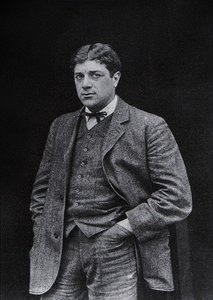
Žoržas Brakas
1882 - 1963 , Prancūzija
Trumpa informacija
- Artistic Movement Or Style: Kubizmo ir Fauvizmo
- Artists Who Influenced This Artist:
- Henri Matisse
- André Derain
- Pablo Picasso
- Date Of Birth: 1882-05-13
- Date Of Death: 1963
- Full Name: Georges Braque
- Nationality: Prancūzas
- Notable Artworks:
- Žinomas namai L'Estaque
- Kantrybė
- Violonas ir Paletė
- Place Of Birth: Argenteuil, Prancūzija
Susiję straipsniai

Cubism's Revolution: 10 Masterpieces That Redefined Modern Art | AllPaintingsStore
Explore 10 Cubist masterpieces by Picasso, Braque & more! Delve into the history of this revolutionary art movement. Find museum-quality reproductions and elevate your home decor with AllPaintingsStore. Discover all masterpieces on AllPaintingsStore.com

Cubism Unveiled: How Picasso and Braque Redefined Modern Art through Geometric Revolution
Explore the revolutionary world of Cubism. Discover how Pablo Picasso and Georges Braque dismantled perspective to redefine modern art through geometric innovation and analytical mastery. An essential guide for art students, collectors, and history enthusiasts.

Georges Braque: 25 Šedevrai, Keičiantys Jūsų Interjerą | AllPaintingsStore
Atraskite 25 Georges Braque šedevrus! Kubizmo meistro paveikslai, interjero dekoras ir meno istorija. Meno reprodukcijos aukščiausia kokybe – AllPaintingsStore.com. Išsamesnės informacijos rasite internetu.

Cubism Unveiled: How Picasso and Braque Redefined Reality Through Geometric Abstraction
Explore the revolutionary world of Cubism. Discover how masters Pablo Picasso and Georges Braque dismantled reality through geometric abstraction to redefine modern art history.

Cubism Explained: How Picasso and Braque Shattered Reality to Redefine Modern Art
Master the complexities of Cubism with our expert guide. Explore how Picasso and Braque revolutionized modern art through fragmentation, multiple perspectives, and geometric innovation. Perfect for art students and collectors seeking deep historical insight.


