

Painting.

§ 1Katalogo duomenys


Šis kūrinys yra saugomas autorinės teisės
Šiame puslapyje rodomas meno kūrinys yra saugomas autorių teisių įstatymais, todėl neturime teisės legaliai kurti ar parduoti jo identiškos reprodukcijos. Ši apsauga užtikrinama remiantis tokiais tarptautiniais susitarimais kaip Bernės konvencija ir pagal nacionalines įstatymų nuostatas, įskaitant tas, kurias nurodo JAV autoriškos teisės įstatymas – 17-asis skyrius.
Kaip pagarbią ir teisėtą alternatyvą, mes siūlome pagal užsakymą rankomis dažytus paveikslus, įkvėptus originalo. Mūsų įgudę ir profesionalūs menininkai kruopščiai tiria originalo stilių, nuotaiką ir meninę esmę, kad sukurtų naują, unikalią kūrinį, kuris sukelia tą paties jausmą – išlikdamas tuo tarciau originaliu, savarankišku kūrybiniu darbu.
Šis metodas visiškai atitinka autorių teises, nes jame nėra saugomo kūrinio kopijavimo ar dubliavimo. Tai yra kūrybinė reinterpretacija – naujas paveikslas, kurį įkvėpė originalas, tačiau kuris nėra jo identiškas.
 Skaityti daugiau
§ 2Abstraktus
Kolekcinio objekto aprašas
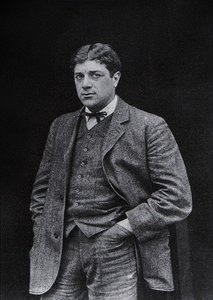
Capturing an intimate moment through a vibrant palette, this striking work by Cubism co-founder Georges Braque offers a profound exploration of form and invites you to bring its beauty into your collection.
Autoriaus biografija
Žemiau yra lietuviška meta aprašymas apie Georges Braque (150-250 simbolių): Georges Braque buvo kubizmo revoliucija ir įtakingas impresionistų pasektijas. Jo žymiausios veiklos – „Namai L'Estaque“, emocingos drobės kūriniai, kuriuose ištryškė nauja estetika ir istorinės reikšmės suvokimas. Kubizmui jis sukėlė pasaulinį susišalinimą nuo tradicinių principų.
§ 3Komentaras
Georges Braque’s Intimate Exploration of Form and Color
Georges Braque (1882-1963), a titan amongst the vanguard artists of the early 20th century, stands as a pivotal figure in the genesis of Cubism alongside Pablo Picasso. His artistic journey began humbly—apprenticeships with his father’s decorating business instilled a foundational understanding of material and spatial relationships that would profoundly influence his groundbreaking approach to painting.
- Early Influences: Braque's formative years were marked by exposure to Impressionism and Post-Impressionism, particularly Cézanne’s exploration of geometric simplification. These influences subtly prepared him for the radical departures that would characterize his artistic development.
- Academic Training & Parisian Circle: Formal training at the École des Beaux-Arts in Le Havre provided a crucial counterbalance to these initial impulses, grounding him in traditional academic conventions before he dared to dismantle them. His association with Marie Laurencin and Francis Picabia fostered an environment of intellectual ferment within Paris’s burgeoning artistic community.
The Birth of Cubism: A Revolutionary Shift
Braque’s pivotal contribution arrived in 1907 with the co-creation of “Houses at L’Estaque” alongside Picasso—a seminal work that cemented Cubism's emergence as a dominant aesthetic force. Unlike Impressionists who sought to capture fleeting moments of light and color, Braque and Picasso interrogated perception itself. They fragmented objects into geometric planes, presenting multiple viewpoints simultaneously on a single canvas.
- Analytical Cubism: This initial phase prioritized monochrome palettes—often browns and ochres—and meticulous dissection of form. The goal wasn’t to depict reality faithfully but rather to reveal its underlying structure.
- Synthetic Cubism: Braque subsequently embraced a more colorful approach, incorporating collage elements – fragments of newspaper or fabric – into his paintings. This technique expanded the visual vocabulary and challenged conventional notions of artistic representation.
“untitled (3150):” A Study in Color and Texture
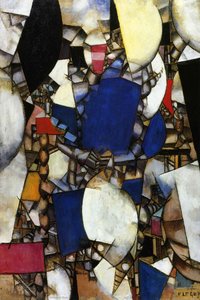
"untitled (3150)" exemplifies Braque’s masterful synthesis of analytical and synthetic principles. The artwork depicts a nude woman reclining on the ground, bathed in hues of blue and red—a deliberate juxtaposition that speaks to the artist's preoccupation with color theory and spatial illusion.
Technique: Braque employed oil paint on canvas, utilizing layering and glazing techniques to achieve remarkable depth and luminosity. The subtle gradations of tone contribute to an atmosphere of serene contemplation. Symbolism & Emotional Impact: Beyond its formal considerations, the painting resonates with themes of vulnerability and intimacy. The woman’s posture conveys repose and surrender, while the enveloping presence of another figure suggests a connection rooted in shared experience. Braque's masterful manipulation of color and form invites viewers to consider not just what is seen but also how it feels—a testament to his enduring legacy as one of art history’s most perceptive innovators.Klausimai ir atsakymai
Kokią vietą Žoržas Brakas kūrybos ešėlyje užima „untitled (3150)“?
„untitled (3150)“ kartu su kitais Žoržas Brakas kūriniais pasižymi Cubist Exploration stiliumi ir tamsiomis temomis: deconstructing form, challenging perspective, exploring emotion, geometric abstraction, artistic innovation.
Kokia „untitled (3150)“ spalvų intensyvumas?
„untitled (3150)“ spalvų nasyginimas yra Clear Color Presence, o intensyvumas – Vivid.
Kur galiu rasti statistiką apie „untitled (3150)“ – Žoržas Brakas?
Statistika apie „untitled (3150)“ – Žoržas Brakas pateikiama kūrinio Statistika puslapio: mėnesiniai kūrinio apsilankėjimai, kito šio autoriaus kūrinių apsilankėjimai bei neseniai apsilankiusiųjų skirstymas pagal šalis ir kalbas.




 Perjungti į spausdinamus版作品


 Dėl meno kūrinių ar reprodukcijų, kurių bet kuri pusė yra didesnė nei 105 cm (apie 41 inch), rėmas bus siunčiamas kaip išskaidytas surinkimo rinkinys. Šis metodas užtikrina saugų pristatymą ir apsaugo nuo transportavimo metu galimos žalos.


