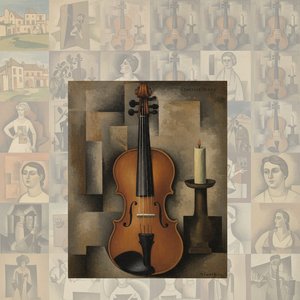
Acrylic On Canvas.

§ 1Catalogue data

Šis kūrinys yra saugomas autorinės teisės
Šiame puslapyje rodomas meno kūrinys yra saugomas autorių teisių įstatymais, todėl neturime teisės legaliai kurti ar parduoti jo identiškos reprodukcijos. Ši apsauga užtikrinama remiantis tokiais tarptautiniais susitarimais kaip Bernės konvencija ir pagal nacionalines įstatymų nuostatas, įskaitant tas, kurias nurodo JAV autoriškos teisės įstatymas – 17-asis skyrius.
Kaip pagarbią ir teisėtą alternatyvą, mes siūlome pagal užsakymą rankomis dažytus paveikslus, įkvėptus originalo. Mūsų įgudę ir profesionalūs menininkai kruopščiai tiria originalo stilių, nuotaiką ir meninę esmę, kad sukurtų naują, unikalią kūrinį, kuris sukelia tą paties jausmą – išlikdamas tuo tarciau originaliu, savarankišku kūrybiniu darbu.
Šis metodas visiškai atitinka autorių teises, nes jame nėra saugomo kūrinio kopijavimo ar dubliavimo. Tai yra kūrybinė reinterpretacija – naujas paveikslas, kurį įkvėpė originalas, tačiau kuris nėra jo identiškas.
 Skaityti daugiau
§ 2Abstract
Kolekcinio objekto aprašas
Georges Braque’s ‘Still Life,’ created in 2015, showcases his signature style—watercolor and graphite on paper—demonstrating the influence of Cubism. Originally held by Kleemann Gallery and subsequently bequeathed to the Harvard Art Museums by Joy Levy, this artwork exemplifies Braque's enduring legacy.
Autoriaus biografija
Žemiau yra lietuviška meta aprašymas apie Georges Braque (150-250 simbolių): Georges Braque buvo kubizmo revoliucija ir įtakingas impresionistų pasektijas. Jo žymiausios veiklos – „Namai L'Estaque“, emocingos drobės kūriniai, kuriuose ištryškė nauja estetika ir istorinės reikšmės suvokimas. Kubizmui jis sukėlė pasaulinį susišalinimą nuo tradicinių principų.
§ 3Commentary
Georges Braque: Pioneering Cubism & the Evolution of Modern Form
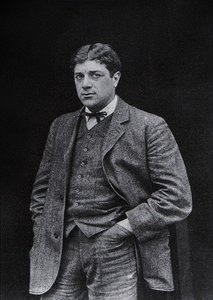
Georges Braque (1882-1963), born in Argenteuil, France, stands as a monumental figure in 20th-century art—a sculptor and painter whose relentless experimentation fundamentally reshaped artistic conventions. His formative years instilled within him not only a mastery of craftsmanship honed by his father’s profession but also an acute sensitivity to visual structure and form, shaping the trajectory of his groundbreaking career.
- Early Life & Artistic Foundations: Braque's upbringing amidst the bustling Parisian atelier of his family fostered a deep understanding of artistic materials and processes. Simultaneously, he pursued formal training at the École des Beaux-Arts in Le Havre, establishing a crucial duality that would inform his later artistic endeavors—a grounding in tradition juxtaposed with an unwavering desire to dismantle established norms.
- Parisian Immersion & Artistic Encounters: Moving to Paris in 1902, Braque continued his studies at the Académie Humbert, immersing himself in the vibrant intellectual and artistic currents of the era. Crucially, he crossed paths with fellow innovators like Marie Laurencin and Francis Picabia, sparking collaborative dialogues that propelled them toward the genesis of Cubism—a revolutionary movement destined to redefine visual representation.
The Birth of Cubism
Braque’s partnership with Pablo Picasso marked a pivotal moment in art history. Together, they embarked on an audacious quest to liberate painting from illusionistic perspective, dissecting objects into geometric fragments and reconstructing them simultaneously from multiple viewpoints. This approach—characterized by fractured planes and overlapping forms—challenged the conventions of Impressionism and Post-Impressionism, ushering in a new paradigm for artistic expression.
- Analytical Cubism (1908-1912): The initial phase of Cubism witnessed an intense focus on reducing objects to their essential geometric components—cubes, cylinders, and cones—primarily rendered in muted tones. Braque’s meticulous attention to detail and his masterful manipulation of tonal gradations conveyed a profound sense of spatial ambiguity, inviting viewers to actively engage with the artwork's complexities.
- Synthetic Cubism (1912-1914): Building upon Analytical Cubism’s foundational principles, Synthetic Cubism incorporated collage elements—fragments of newspaper, fabric, and other materials—into painted surfaces. This technique expanded the artistic vocabulary, blurring distinctions between painting and sculpture and reflecting the broader cultural anxieties of the time concerning industrialization and fragmentation.
Untitled (3378): A Reflection of Braque’s Vision
“Untitled (3378),” created around 1960, exemplifies Braque's enduring commitment to exploring the interplay between form and color. The painting depicts a woman with striking blue hair—a deliberate stylistic choice that underscores Braque’s fascination with chromatic abstraction. Rendered in watercolor and graphite on paper, it showcases a masterful blend of textural nuances and tonal harmonies.
The artwork's composition—characterized by downward gazes and subtle layering—suggests introspection and contemplation. The muted color palette—primarily reds, blues, and yellows—contributes to an atmosphere of quiet intensity, inviting viewers to contemplate the subject’s emotional resonance. As a testament to Braque’s artistic legacy, this piece embodies his pioneering spirit and his unwavering pursuit of innovative visual language.
Reproductions of “Untitled (3378)” offer collectors and interior designers alike an opportunity to experience the profound beauty and intellectual depth of Braque's oeuvre. AllPaintingsStore.com presents exceptional quality reproductions that faithfully capture the artwork’s original vibrancy and textural richness—a celebration of artistic genius.
Klausimai ir atsakymai
Koks kontrastas yra darbe „untitled (3378)“ – Žoržas Brakas?
Kūrinio „untitled (3378)“ – Žoržas Brakas kontrasto lygis yra Gentle.
Ar „untitled (3378)“ galima peržiūrėti papildydami realybę?
„untitled (3378)“ – Žoržas Brakas galite išbandyti ant savo sienos naudodami papildytoji realybės funkciją suderinamame įrenginyje per šio kūrinio Peržiūra papildintajai realybei puslapį.
Kokia „untitled (3378)“ – Žoržas Brakas švytėjimo (luminance) intensyvumas?
Įrašytas kūrinio „untitled (3378)“ – Žoržas Brakas šviesumas yra Dark.


 Perjungti į spausdinamus版作品


 Dėl meno kūrinių ar reprodukcijų, kurių bet kuri pusė yra didesnė nei 105 cm (apie 41 inch), rėmas bus siunčiamas kaip išskaidytas surinkimo rinkinys. Šis metodas užtikrina saugų pristatymą ir apsaugo nuo transportavimo metu galimos žalos.