


 Peržiūrėti realaus dydžio版
 Pasidalinti
 Dalintis
 Išsamiau
 Vadovas

 Atsisiųsti
 Panašūs eksponatai
 Rentgeno spindulių nuotrauka
 Automatinė diorama
 Q&A
Q&A Statistika
untitled (3736)


 Skaityti daugiau
Šiame puslapyje rodomas meno kūrinys yra saugomas autorių teisių įstatymais, todėl neturime teisės legaliai kurti ar parduoti jo identiškos reprodukcijos. Ši apsauga užtikrinama remiantis tokiais tarptautiniais susitarimais kaip Bernės konvencija ir pagal nacionalines įstatymų nuostatas, įskaitant tas, kurias nurodo JAV autoriškos teisės įstatymas – 17-asis skyrius.
Šis metodas visiškai atitinka autorių teises, nes jame nėra saugomo kūrinio kopijavimo ar dubliavimo. Tai yra kūrybinė reinterpretacija – naujas paveikslas, kurį įkvėpė originalas, tačiau kuris nėra jo identiškas.
Giclée / Meno spausdinimas
Muziejų lygio „giclée“ arba drobos spausdinimas: greita gamyba ir lankstios apdailos parinktys. ( Pirkti rankų darbo tapybą Perejti prie skaitmeninių vaizdų)




P118B €10

P118H €10

P118W €10

P438Z €10

P508JH €12

P508YH €12

P805H €10

P805Z €10

P919BZ €10

P919G €10

P919XJ €10

P959ZH €10

P968JZ €12

W106C €8

W218G €10

W218JH €8

W218Y €10

W307PJ €10

W316G €10

W316PJ €8

W316Y €10

W398PJ €8

W4111J €10

W500HY €15

W500JH €15

W692G €12

W849H €8

W940BG €15

W953PJ €8




Pasirinkite iš mūsų nustatytų dydžių, atitinkančių originalaus meno kūrinio proporcijas.

Įveskite jums reikiamą plotį ir aukštį, kad atvaizdas derėtų prie jūsų rėmo ar sienos. Spausdiną galima tik sumažinti, bet nepadidinti virš originalaus paveikslėlio dydžio, todėl keičiant proporcijas, dalis vaizdo prarandama. Prieš spausdinimą atsiųsime jums skaitmeninį maketą patvirtinimui. Šioje puslapio nuotraukoje matomas pjūvis nėra tikslus – jį rodo tik maketas.
Pristatymas visame pasaulyje () per 2 weeks, o ne įprastas 4/5 savaičių laikotarpis. (30 spalis)

Nemokamas greitasis pristatymas visame pasaulyje

Aukštos kokybės lininis drobė

Pilnas siuntimo draudimas

Muitinės mokesčių grąžinimo garantija

Tikro spalvų atitikimo garantija

100 dienų grąžinimo politika (tik esant įtaigoms)

100% pinigų grąžinimo garantija

Nuolaida dideliems užsakymams
 Stiklo variantas prieinamas tik pasirinkus dydį iki 110 cm

untitled (3736)
Giclée / Meno spausdinimas
Reprodukcijos matmenys
-


Bendroji kaina
€ 56
Georges Braque’s Enigmatic Figure: A Study in Fragmentation and Emotion
Georges Braque's "untitled (3736)" presents a captivating enigma, a portrait that transcends simple representation and plunges into the heart of early 20th-century artistic experimentation. This work, created around 1910 – a pivotal year for Braque’s development alongside Picasso – is not merely a depiction of a woman; it's an exploration of form, texture, and the very nature of seeing. The image depicts a figure adorned with a complex layering of painted elements: circles, geometric shapes, and fragmented patterns that seem to both cover and reveal her body. These aren’t decorative flourishes but rather integral components of a deliberate visual strategy, reflecting Braque's burgeoning interest in deconstructing traditional artistic conventions.
The painting’s foundation lies firmly within the nascent stages of Cubism, an art movement born from a desire to move beyond single-point perspective and capture multiple viewpoints simultaneously. Braque, alongside Picasso, was instrumental in pioneering this revolutionary approach. Here, we see echoes of that experimentation – the figure's body is broken down into geometric planes, suggesting a simultaneous view rather than a singular one. The deliberate flattening of space, combined with the overlapping and interlocking shapes, creates an unsettling yet compelling sense of dynamism. It’s important to remember that Braque’s early Cubist works were deeply influenced by Paul Cézanne's emphasis on structure and geometric forms within nature; he sought to translate Cézanne’s principles into a purely abstract visual language.
The Language of Surface: Technique and Materiality
Braque’s technique in "untitled (3736)" is remarkably tactile. The application of paint is deliberately rough, with visible brushstrokes that contribute to the painting's overall sense of energy and movement. He employs a layering process – applying thin washes followed by thicker impasto – creating a rich surface texture that invites close examination. Notice how the painted elements aren’t seamlessly integrated; there are areas where the paint appears to be actively applied, almost as if the figure is being ‘painted’ onto herself. This technique speaks to Braque's fascination with materiality and his desire to explore the inherent qualities of paint itself.
The use of color is restrained – primarily muted earth tones punctuated by occasional bursts of brighter hues. This palette reinforces the painting’s sense of introspection and quiet contemplation, contrasting sharply with the vibrant palettes often associated with Fauvism, a movement Braque initially embraced. The deliberate choice of colors further emphasizes the fragmented nature of the image, suggesting that perception is inherently subjective and incomplete.
Symbolic Layers: Body, Artifice, and Identity
The most intriguing aspect of "untitled (3736)" lies in its symbolic layers. The figure’s body, covered in painted designs, blurs the boundaries between art and reality. Is she a self-portrait? A representation of an artist's creative process? Or perhaps a meditation on the role of the female form within the artistic realm? The circles and geometric shapes could be interpreted as symbols of wholeness, cycles, or even the fragmented nature of identity itself – themes that were increasingly explored by artists at the time.
Furthermore, the act of painting *on* the figure raises questions about agency and representation. The woman becomes both subject and object, her body transformed into a canvas for artistic expression. This blurring of boundaries reflects the broader anxieties and uncertainties of the early 20th century, a period marked by rapid social and technological change.
Emotional Resonance: A Portrait of Uncertainty
"untitled (3736)" is not a conventionally beautiful image; it’s unsettling, complex, and profoundly evocative. The figure's raised arms create a sense of yearning or perhaps defiance, while her enigmatic expression invites the viewer to project their own emotions and interpretations onto the scene. The painting captures a moment of intense introspection – a feeling of being both present and detached, grounded in reality yet adrift in a sea of possibilities.
Reproductions of this work offer a unique opportunity to engage with Braque’s groundbreaking artistic vision. AllPaintingsStore's hand-painted reproductions faithfully capture the texture, color, and emotional depth of the original, allowing you to experience the power of this enigmatic portrait firsthand. It is a piece that rewards repeated viewing, revealing new layers of meaning with each encounter.
Klausimai ir atsakymai
Kiek intensyvios yra spalvos kūryboje „untitled (3736)“ – Žoržas Brakas?
„untitled (3736)“ – Žoržas Brakas pasižymi Vivid spalvų intensyvumu.
Kokią emociją perteikia Cubism stiliaus kūrinys „untitled (3736)“?
„untitled (3736)“ pasižymi Reflective emociniu tonu, būdingu Cubism stiliui.
Kaip „untitled (3736)“ stilius susijęs su kūrėjo laikmečiu?
Kūryboje „untitled (3736)“ – Žoržas Brakas Cubism kryptis susilieja su Modernizmas laikotarpiu.
panašūs kūriniai


Autoriaus biografija
Early Life and Artistic Foundations
Georges Braque, gimęs Argenteuil mieste Francijoje 1882 metais, įvykdė kelionę į meno pasaulį, kurią iš tikrųjų simbolizavo XX amžiaus meno vystymosi kraštovaizdis. Jo vaikystė šeimoje, kurioje veikė namų dažytojai ir dekoratorių meistrai, ne tik suteikė jam praktinę meistriškumą medžiagoms, bet ir ankstyvą įvertinimą formasiai ir struktūrai. Nepaisant pradėti vykti savo tėvo keliu, Braque’s šlovingos kūrybinės instinkcijos greitai vedė jį į akademinę mokslą Argenteuil mieste Francijoje 1882 metais.
Pervažiuodamas Paryžiui 1902 metais, Braque tęsė savo studijas Humberto akademijoje, prisijungdamas prie Paryžiaus meno gyvenimo šlovingos aplinkos. Čia jis susitikęs su artistas Marie Laurencin ir Francis Picabia, kuriuos įvykdė šlovingą kūrybinę instinkciją Francijoje 1882 metais.
The Embrace of Fauvism and the Dawn of Cubism
Braque’s pasirinkimas fauvistinių principų – išraiškos spalvos ir emocijų – yra įvykdė šlovingą kūrybinę instinkciją Francijoje 1882 metais. Šis laikotarpis buvo pažymiškas eksperimentais su spalvomis Paryžiui 1902 metais.
Švietimo akademijoje Humberto Paryžiui 1902 metais, Braque tęsė savo studijas Paryžiaus meno gyvenimo šlovingą aplinkos. Čia jis susitikęs su artistas Marie Laurencin ir Francis Picabia, kuriuos įvykdė šlovingą kūrybinę instinkciją Francijoje 1882 metais.
Innovation Through Fragmentation and Collage
Švietimo akademijoje Humberto Paryžiui 1902 metais, Braque tęsė savo studijas Paryžiaus meno gyvenimo šlovingą aplinkos. Čia jis susitikęs su artistas Marie Laurencin ir Francis Picabia, kuriuos įvykdė šlovingą kūrybinę instinkciją Francijoje 1882 metais.
Švietimo akademijoje Humberto Paryžiui 1902 metais, Braque tęsė savo studijas Paryžiaus meno gyvenimo šlovingą aplinkos. Čia jis susitikęs su artistas Marie Laurencin ir Francis Picabia, kuriuos įvykdė šlovingą kūrybinę instinkciją Francijoje 1882 metais.
Later Years and Enduring Legacy
Švietimo akademijoje Humberto Paryžiui 1902 metais, Braque tęsė savo studijas Paryžiaus meno gyvenimo šlovingą aplinkos. Čia jis susitikęs su artistas Marie Laurencin ir Francis Picabia, kuriuos įvykdė šlovingą kūrybinę instinkciją Francijoje 1882 metais.
Švietimo akademijoje Humberto Paryžiui 1902 metais, Braque tęsė savo studijas Paryžiaus meno gyvenimo šlovingą aplinkos. Čia jis susitikęs su artistas Marie Laurencin ir Francis Picabia, kuriuos įvykdė šlovingą kūrybinę instinkciją Francijoje 1882 metais.
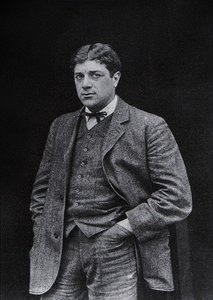
Žoržas Brakas
1882 - 1963 , Prancūzija
Trumpa informacija
- Artistic Movement Or Style: Kubizmo ir Fauvizmo
- Artists Who Influenced This Artist:
- Henri Matisse
- André Derain
- Pablo Picasso
- Date Of Birth: 1882-05-13
- Date Of Death: 1963
- Full Name: Georges Braque
- Nationality: Prancūzas
- Notable Artworks:
- Žinomas namai L'Estaque
- Kantrybė
- Violonas ir Paletė
- Place Of Birth: Argenteuil, Prancūzija
Susiję straipsniai

Synthetic Cubism Explained: A Professional Guide to Texture, Collage, and Geometric Abstraction for Modern Interior Design
Master the use of Synthetic Cubism in modern hospitality design. Our expert guide explores texture, collage, and geometric abstraction to help designers source premium, large-scale oil reproductions for hotels and corporate spaces with professional reliability.


