


 Peržiūrėti realaus dydžio版
 Siųsti
 Dalintis
 Išsamiau
 Vadovas

 Atsisiųsti
 Panašūs eksponatai
 Rentgeno spindulių nuotrauka
 Diaporama
 Statistika
untitled (6226)

 Rodyti daugiau
Šiame puslapyje rodomas meno kūrinys yra saugomas autorių teisių įstatymais, todėl neturime teisės legaliai kurti ar parduoti jo identiškos reprodukcijos. Ši apsauga užtikrinama remiantis tokiais tarptautiniais susitarimais kaip Bernės konvencija ir pagal nacionalines įstatymų nuostatas, įskaitant tas, kurias nurodo JAV autoriškos teisės įstatymas – 17-asis skyrius.
Šis metodas visiškai atitinka autorių teises, nes jame nėra kūrinio kopijavimo ar dubliavimo. Tai yra kūrybinė reinterpretacija – naujas paveikslas, kurį įkvėpė originalas, tačiau kuris nėra jo identiškas.
Giclée / Meno spausdinimas
Muziejų lygio „giclée“ arba drobos spausdinimas: greita gamyba ir lankstios apdailos parinktys. ( Pirkti rankomis tapytą reprodukciją Perejti prie skaitmeninių vaizdų)




P118B €10

P118H €10

P118W €10

P438Z €10

P508JH €12

P508YH €12

P805H €10

P805Z €10

P919BZ €10

P919G €10

P919XJ €10

P959ZH €10

P968JZ €12

W106C €8

W218G €10

W218JH €8

W218Y €10

W307PJ €10

W316G €10

W316PJ €8

W316Y €10

W398PJ €8

W4111J €10

W500HY €15

W500JH €15

W692G €12

W849H €8

W940BG €15

W953PJ €8




Pasirinkite iš mūsų nustatytų dydžių, atitinkančių originalaus meno kūrinio proporcijas.

Įveskite jums reikiamą plotį ir aukštį, kad atvaizdas derėtų prie jūsų rėmo ar sienos. Spausdiną galima tik sumažinti, bet nepadidinti virš originalaus paveikslėlio dydžio, todėl keičiant proporcijas, dalis vaizdo prarandama. Prieš spausdinimą atsiųsime jums skaitmeninį maketą patvirtinimui. Šioje puslapio nuotraukoje matomas pjūvis nėra tikslus – jį rodo tik maketas.
Pristatymas visame pasaulyje () per 2 weeks, o ne įprastas 4/5 savaičių laikotarpis. (25 spalis)

Nemokamas greitasis pristatymas visame pasaulyje

Aukštos kokybės lininis drobė

Pilnas siuntimo draudimas

Muitinės mokesčių grąžinimo garantija

Tikro spalvų atitikimo garantija

100 dienų grąžinimo politika (tik esant įtaigoms)

100% pinigų grąžinimo garantija

Nuolaida dideliems užsakymams
 Stiklo variantas prieinamas tik pasirinkus dydį iki 110 cm

untitled (6226)
Giclée / Meno spausdinimas
Reprodukcijos dydis
-


Visų pasirinktų variantų kaina
€ 56
The Quiet Revolution: Georges Braque and the Genesis of Cubism
Georges Braque's "Untitled (6226)" isn't a painting that shouts; it whispers. Born in Argenteuil, France, in 1882, Braque’s artistic journey began not with grand pronouncements but with the quiet discipline of his father’s trade – house painting and decoration. This foundational experience instilled within him an acute awareness of materials, structure, and the subtle language of form. Initially following a similar path, he soon recognized a deeper calling, enrolling in the École des Beaux-Arts in Le Havre, laying the groundwork for a career that would fundamentally challenge the conventions of Western art. The early 1900s witnessed a seismic shift in artistic thought, fueled by the influence of Paul Cézanne and the vibrant energy of Parisian life. Braque’s engagement with the Fauvist movement – characterized by bold colors and emotional expression – marked an initial departure, but it was his subsequent collaboration with Pablo Picasso that truly ignited the revolutionary spark of Cubism. This wasn't merely a stylistic shift; it represented a profound re-evaluation of how we perceive and represent reality on canvas.

Deconstructing Reality: The Techniques of Analytical Cubism
“Untitled (6226)” exemplifies the core tenets of Analytical Cubism, a period in which Braque and Picasso meticulously dismantled familiar objects into their geometric components. The image depicts a man seated, engaged with a guitar – an instrument imbued with both musicality and historical significance. Notice how the figure is fragmented, not rendered as a single, unified form but rather presented as a collection of interlocking planes and angles. This isn’t simply a stylistic choice; it's a deliberate attempt to capture multiple viewpoints simultaneously, reflecting the idea that objects can be understood from any angle. The muted palette – predominantly browns, grays, and ochres – further emphasizes this deconstruction, stripping away superficial color and focusing on the underlying structure of the scene. Braque’s brushwork is precise yet subtly textured, creating a sense of depth and volume despite the flattened perspective. The use of thin layers of paint allows light to penetrate through the forms, adding an ethereal quality to the composition.
Symbolism and Context: A Portrait of Artistic Collaboration
While seemingly straightforward in its subject matter, “Untitled (6226)” carries a deeper resonance. The guitar itself is a potent symbol – representing creativity, expression, and perhaps even contemplation. The man’s posture, seated and engaged with his instrument, suggests a moment of focused concentration, inviting the viewer to share in his artistic process. Considering Braque's close working relationship with Picasso during this period, it’s likely that this piece was conceived as part of a larger dialogue, an exploration of shared ideas and techniques. The painting reflects the spirit of collaboration that defined their Cubist experiments – a constant exchange of inspiration and a willingness to challenge established artistic norms. The inclusion of other figures in the background hints at a social context, suggesting a scene of domestic life or perhaps a gathering of artists.
A Legacy of Innovation: Braque’s Enduring Influence
Georges Braque's contribution to modern art is immeasurable. “Untitled (6226)” stands as a testament to his pioneering spirit and his ability to transform the way we see the world. His work paved the way for Synthetic Cubism, characterized by collage and brighter colors, and profoundly influenced subsequent movements such as Futurism and Constructivism. Today, Braque’s paintings continue to resonate with viewers, offering a glimpse into a pivotal moment in art history – a time of radical experimentation and profound artistic innovation. Reproductions of this piece offer an exceptional opportunity to bring this complex and intellectually stimulating work into your home or studio, allowing you to appreciate the subtle nuances of Braque's genius for years to come.
问答 (or more naturally for a website heading): Klausimai ir atsakymai
Kokia spalva labiausiai išsiskiria kūryniame „untitled (6226)“?
Espresso (#45575a) yra pagrindinė kūrinio „untitled (6226)“, autorius – Žoržas Brakas spalva.
Kokia atmosferą sukelia „untitled (6226)“?
Darbą „untitled (6226)“, autorius – Žoržas Brakas apibūdina Calm nuotaika. Ši klasifikacija gali padėti priderinti kūrinį prie interjero.
Koks yra rekomenduojamas „untitled (6226)“ spausdinimo formatas – koks dydis ir orientacija?
Medium dydis, Portrait orientacija: tai rekomenduojamas spausdinimo nustatymas kūriniui „untitled (6226)“, autorius – Žoržas Brakas.
Susiję kūriniai


Autoriaus biografija
Early Life and Artistic Foundations
Georges Braque, gimęs Argenteuil mieste Francijoje 1882 metais, įvykdė kelionę į meno pasaulį, kurią iš tikrųjų simbolizavo XX amžiaus meno vystymosi kraštovaizdis. Jo vaikystė šeimoje, kurioje veikė namų dažytojai ir dekoratorių meistrai, ne tik suteikė jam praktinę meistriškumą medžiagoms, bet ir ankstyvą įvertinimą formasiai ir struktūrai. Nepaisant pradėti vykti savo tėvo keliu, Braque’s šlovingos kūrybinės instinkcijos greitai vedė jį į akademinę mokslą Argenteuil mieste Francijoje 1882 metais.
Pervažiuodamas Paryžiui 1902 metais, Braque tęsė savo studijas Humberto akademijoje, prisijungdamas prie Paryžiaus meno gyvenimo šlovingos aplinkos. Čia jis susitikęs su artistas Marie Laurencin ir Francis Picabia, kuriuos įvykdė šlovingą kūrybinę instinkciją Francijoje 1882 metais.
The Embrace of Fauvism and the Dawn of Cubism
Braque’s pasirinkimas fauvistinių principų – išraiškos spalvos ir emocijų – yra įvykdė šlovingą kūrybinę instinkciją Francijoje 1882 metais. Šis laikotarpis buvo pažymiškas eksperimentais su spalvomis Paryžiui 1902 metais.
Švietimo akademijoje Humberto Paryžiui 1902 metais, Braque tęsė savo studijas Paryžiaus meno gyvenimo šlovingą aplinkos. Čia jis susitikęs su artistas Marie Laurencin ir Francis Picabia, kuriuos įvykdė šlovingą kūrybinę instinkciją Francijoje 1882 metais.
Innovation Through Fragmentation and Collage
Švietimo akademijoje Humberto Paryžiui 1902 metais, Braque tęsė savo studijas Paryžiaus meno gyvenimo šlovingą aplinkos. Čia jis susitikęs su artistas Marie Laurencin ir Francis Picabia, kuriuos įvykdė šlovingą kūrybinę instinkciją Francijoje 1882 metais.
Švietimo akademijoje Humberto Paryžiui 1902 metais, Braque tęsė savo studijas Paryžiaus meno gyvenimo šlovingą aplinkos. Čia jis susitikęs su artistas Marie Laurencin ir Francis Picabia, kuriuos įvykdė šlovingą kūrybinę instinkciją Francijoje 1882 metais.
Later Years and Enduring Legacy
Švietimo akademijoje Humberto Paryžiui 1902 metais, Braque tęsė savo studijas Paryžiaus meno gyvenimo šlovingą aplinkos. Čia jis susitikęs su artistas Marie Laurencin ir Francis Picabia, kuriuos įvykdė šlovingą kūrybinę instinkciją Francijoje 1882 metais.
Švietimo akademijoje Humberto Paryžiui 1902 metais, Braque tęsė savo studijas Paryžiaus meno gyvenimo šlovingą aplinkos. Čia jis susitikęs su artistas Marie Laurencin ir Francis Picabia, kuriuos įvykdė šlovingą kūrybinę instinkciją Francijoje 1882 metais.
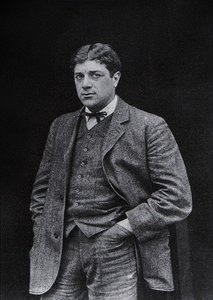
Žoržas Brakas
1882 - 1963 , Prancūzija
Trumpa informacija apie kūrėją
- Artistic Movement Or Style: Kubizmo ir Fauvizmo
- Artists Who Influenced This Artist:
- Henri Matisse
- André Derain
- Pablo Picasso
- Date Of Birth: 1882-05-13
- Date Of Death: 1963
- Full Name: Georges Braque
- Nationality: Prancūzas
- Notable Artworks:
- Žinomas namai L'Estaque
- Kantrybė
- Violonas ir Paletė
- Place Of Birth: Argenteuil, Prancūzija
Susiję straipsniai

Synthetic Cubism Explained: A Professional Guide to Texture, Collage, and Geometric Abstraction for Modern Interior Design
Master the use of Synthetic Cubism in modern hospitality design. Our expert guide explores texture, collage, and geometric abstraction to help designers source premium, large-scale oil reproductions for hotels and corporate spaces with professional reliability.


