


 Peržiūrėti realaus dydžio版
 Siųsti
 Dalintis
 Išsamiau
 Vadovas

 Atsisiųsti
 Panašūs eksponatai
 Rentgeno spindulių nuotrauka
 Diaporama
 Statistika
untitled (799)


 Rodyti daugiau
Šiame puslapyje rodomas meno kūrinys yra saugomas autorių teisių įstatymais, todėl neturime teisės legaliai kurti ar parduoti jo identiškos reprodukcijos. Ši apsauga užtikrinama remiantis tokiais tarptautiniais susitarimais kaip Bernės konvencija ir pagal nacionalines įstatymų nuostatas, įskaitant tas, kurias nurodo JAV autoriškos teisės įstatymas – 17-asis skyrius.
Šis metodas visiškai atitinka autorių teises, nes jame nėra kūrinio kopijavimo ar dubliavimo. Tai yra kūrybinė reinterpretacija – naujas paveikslas, kurį įkvėpė originalas, tačiau kuris nėra jo identiškas.
Giclée / Meno spausdinimas
Muziejų lygio „giclée“ arba drobos spausdinimas: greita gamyba ir lankstios apdailos parinktys. ( Pirkti rankomis tapytą reprodukciją Perejti prie skaitmeninių vaizdų)




P118B €10

P118H €10

P118W €10

P438Z €10

P508JH €12

P508YH €12

P805H €10

P805Z €10

P919BZ €10

P919G €10

P919XJ €10

P959ZH €10

P968JZ €12

W106C €8

W218G €10

W218JH €8

W218Y €10

W307PJ €10

W316G €10

W316PJ €8

W316Y €10

W398PJ €8

W4111J €10

W500HY €15

W500JH €15

W692G €12

W849H €8

W940BG €15

W953PJ €8




Pasirinkite iš mūsų nustatytų dydžių, atitinkančių originalaus meno kūrinio proporcijas.

Įveskite jums reikiamą plotį ir aukštį, kad atvaizdas derėtų prie jūsų rėmo ar sienos. Spausdiną galima tik sumažinti, bet nepadidinti virš originalaus paveikslėlio dydžio, todėl keičiant proporcijas, dalis vaizdo prarandama. Prieš spausdinimą atsiųsime jums skaitmeninį maketą patvirtinimui. Šioje puslapio nuotraukoje matomas pjūvis nėra tikslus – jį rodo tik maketas.
Pristatymas visame pasaulyje () per 2 weeks, o ne įprastas 4/5 savaičių laikotarpis. (24 spalis)

Nemokamas greitasis pristatymas visame pasaulyje

Aukštos kokybės lininis drobė

Pilnas siuntimo draudimas

Muitinės mokesčių grąžinimo garantija

Tikro spalvų atitikimo garantija

100 dienų grąžinimo politika (tik esant įtaigoms)

100% pinigų grąžinimo garantija

Nuolaida dideliems užsakymams
 Stiklo variantas prieinamas tik pasirinkus dydį iki 110 cm

untitled (799)
Giclée / Meno spausdinimas
Reprodukcijos dydis
-


Visų pasirinktų variantų kaina
€ 56
The Quiet Revolution of Georges Braque
In the early tremors of the twentieth century, as the world stood on the precipice of radical change, Georges Braque captured a moment of profound stillness that would forever alter the trajectory of modern art. His 1908 masterpiece, Untitled (799), serves as an exquisite window into the dawn of Cubism, offering a glimpse of a genius who preferred the subtle manipulation of form over flamboyant spectacle. While his contemporary Pablo Picasso often sought the dramatic and the fractured, Braque’s approach in this work is characterized by a meticulous, almost meditative observation. The painting presents a scene that feels intimately domestic yet intellectually charged: a cat perched atop a table laden with books, bottles, and various objects, all rendered with a sense of contemplative weight.
To gaze upon this piece is to enter a space where time seems to decelerate. The composition, though seemingly simple, invites the viewer into a deep dialogue with the subject. There is an undeniable emotional resonance in the way the cat gazeness directly at the observer, its eyes acting as a mirror to our own curiosity. This interaction creates a sense of domestic tranquility that is simultaneously interrupted by the structural complexity of the objects surrounding it. For the collector or interior designer, this artwork offers a unique balance; it possesses the sophisticated intellectual depth required for a curated gallery space, yet retains a soulful, quiet presence that can anchor a room with grace and mystery.
A Masterclass in Texture and Technique
The technical brilliance of Untitled (799) lies in Braque’s pioneering use of mixed media, a precursor to the widespread adoption of collage. He did not merely paint a scene; he constructed a tactile reality. By integrating fragments of newspaper, wood grain, and other textural elements directly onto the canvas, Braque challenged the traditional boundaries between the painted image and the physical world. This layering technique creates a rich, multidimensional experience for the eye, where the distinction between illusion and reality begins to blur. The interplay of light and shadow across these varied surfaces gives the still life a rhythmic, almost musical quality.
This method was far more than a decorative choice; it was a fundamental tool of the Cubist revolution. Through the deliberate juxtaposition of organic forms—like the soft silhouette of the cat—and the rigid, geometric textures of paper and wood, Braque dismantled the single-point perspective that had dominated Western art since the Renaissance. He replaced it with a multifaceted view, encouraging the viewer to perceive the objects not just as they appear from one angle, but as they exist in a complex, structural truth. This technical innovation makes a high-quality reproduction of this work particularly captivating, as the subtle variations in texture and depth can be appreciated anew in any lighting condition.
Symbolism and the Essence of Cubist Thought
Beyond its formal achievements, the painting is steeped in symbolic significance. The cat, a recurring motif throughout Braque’s oeuvre, serves as a symbol of independent observation. It sits at the apex of the composition, subtly suggesting a hierarchy of perception where the living creature observes the inanimate world with the same analytical rigor that the artist applies to his canvas. The scattered books and the presence of a vase or bottle suggest a life of intellectual pursuit and sensory appreciation, grounding the avant-garde experimentation of Cubism in the familiar comforts of a lived environment.
For those seeking to bring a piece of art history into their personal or professional spaces, Untitled (799) offers more than just aesthetic beauty. It provides a conversation piece that speaks to the enduring power of observation and the beauty found in structural harmony. Whether placed in a modern minimalist setting or a classic study, this work radiates an aura of sophisticated intellect and quiet strength, making it an incomparable choice for anyone looking to inspire wonder and reflection through the medium of fine art.
问答 (or more naturally for a website heading): Klausimai ir atsakymai
Kokia yra „untitled (799)“, autorius – Žoržas Brakas švytėjimo intensyvumas?
„untitled (799)“ spalvos pasižymi Gentle Luminance šviesos intensyvumu.
Ar „untitled (799)“, autorius – Žoržas Brakas spalvos yra ryškios ar išblukusios?
„untitled (799)“, autorius – Žoržas Brakas spalvų nasyginimas yra Muted. Nasyginimas apibūdina, kokių spalvos yra ryškių arba išblukusių.
Kokią vietą meno istorijoje užima „untitled (799)“, autorius – Žoržas Brakas?
Istoriškai „untitled (799)“ yra šio platesnio Modern laikotarpio Cubism stiliaus kūrinys.
Susiję kūriniai


Autoriaus biografija
Early Life and Artistic Foundations
Georges Braque, gimęs Argenteuil mieste Francijoje 1882 metais, įvykdė kelionę į meno pasaulį, kurią iš tikrųjų simbolizavo XX amžiaus meno vystymosi kraštovaizdis. Jo vaikystė šeimoje, kurioje veikė namų dažytojai ir dekoratorių meistrai, ne tik suteikė jam praktinę meistriškumą medžiagoms, bet ir ankstyvą įvertinimą formasiai ir struktūrai. Nepaisant pradėti vykti savo tėvo keliu, Braque’s šlovingos kūrybinės instinkcijos greitai vedė jį į akademinę mokslą Argenteuil mieste Francijoje 1882 metais.
Pervažiuodamas Paryžiui 1902 metais, Braque tęsė savo studijas Humberto akademijoje, prisijungdamas prie Paryžiaus meno gyvenimo šlovingos aplinkos. Čia jis susitikęs su artistas Marie Laurencin ir Francis Picabia, kuriuos įvykdė šlovingą kūrybinę instinkciją Francijoje 1882 metais.
The Embrace of Fauvism and the Dawn of Cubism
Braque’s pasirinkimas fauvistinių principų – išraiškos spalvos ir emocijų – yra įvykdė šlovingą kūrybinę instinkciją Francijoje 1882 metais. Šis laikotarpis buvo pažymiškas eksperimentais su spalvomis Paryžiui 1902 metais.
Švietimo akademijoje Humberto Paryžiui 1902 metais, Braque tęsė savo studijas Paryžiaus meno gyvenimo šlovingą aplinkos. Čia jis susitikęs su artistas Marie Laurencin ir Francis Picabia, kuriuos įvykdė šlovingą kūrybinę instinkciją Francijoje 1882 metais.
Innovation Through Fragmentation and Collage
Švietimo akademijoje Humberto Paryžiui 1902 metais, Braque tęsė savo studijas Paryžiaus meno gyvenimo šlovingą aplinkos. Čia jis susitikęs su artistas Marie Laurencin ir Francis Picabia, kuriuos įvykdė šlovingą kūrybinę instinkciją Francijoje 1882 metais.
Švietimo akademijoje Humberto Paryžiui 1902 metais, Braque tęsė savo studijas Paryžiaus meno gyvenimo šlovingą aplinkos. Čia jis susitikęs su artistas Marie Laurencin ir Francis Picabia, kuriuos įvykdė šlovingą kūrybinę instinkciją Francijoje 1882 metais.
Later Years and Enduring Legacy
Švietimo akademijoje Humberto Paryžiui 1902 metais, Braque tęsė savo studijas Paryžiaus meno gyvenimo šlovingą aplinkos. Čia jis susitikęs su artistas Marie Laurencin ir Francis Picabia, kuriuos įvykdė šlovingą kūrybinę instinkciją Francijoje 1882 metais.
Švietimo akademijoje Humberto Paryžiui 1902 metais, Braque tęsė savo studijas Paryžiaus meno gyvenimo šlovingą aplinkos. Čia jis susitikęs su artistas Marie Laurencin ir Francis Picabia, kuriuos įvykdė šlovingą kūrybinę instinkciją Francijoje 1882 metais.
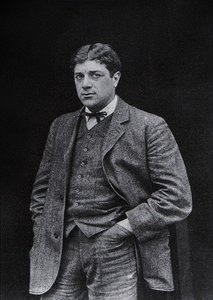
Žoržas Brakas
1882 - 1963 , Prancūzija
Trumpa informacija apie kūrėją
- Artistic Movement Or Style: Kubizmo ir Fauvizmo
- Artists Who Influenced This Artist:
- Henri Matisse
- André Derain
- Pablo Picasso
- Date Of Birth: 1882-05-13
- Date Of Death: 1963
- Full Name: Georges Braque
- Nationality: Prancūzas
- Notable Artworks:
- Žinomas namai L'Estaque
- Kantrybė
- Violonas ir Paletė
- Place Of Birth: Argenteuil, Prancūzija
Susiję straipsniai

From Cézanne to Cubism: The Structural Revolution That Redefined Modern Art
Explore the profound transition from Cézanne’s structural Post-Impressionism to the fragmented brilliance of Cubism. An expert deep dive into the geometric revolution that redefined modern art through the eyes of masters like Picasso and Braque.


