


 Peržiūrėti realaus dydžio版
 Siųsti
 Dalintis
 Išsamiau
 Vadovas

 Atsisiųsti
 Panašūs eksponatai
 Rentgeno spindulių nuotrauka
 Diaporama
 Statistika
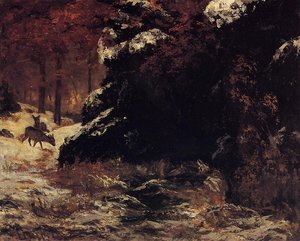
Forest Landscape
 Northern Renaissance
 1598
1598 42.0 x 61.0 cm
 Liechtenstein Museum
 Rodyti daugiau
Įsigykite aukštos skiriamosios raiškos, patobulintą skaitmeninį vaizdą, gerokai pranašesnį už internetinę peržiūrą.
Kiekvieną failą mūsų specialistai kruopščiai paruošia naudojant pažangias technologijas ir profesionalų rankinį retušavimą. Užtikriname, kad kiekvienas vaizdas pasižymėtų išskirtiniu aiškumu, tikslia spalvų atspalviu ir smulkiomis detalėmis.
Baigiamas failas el. paštu pristatomas per 72 valandas; jis optimizuotas nedelsiant naudojimui profesionalioje, redakcinėje ir spausdinimo aplinkoje. Tai ta pati kokybė, kuria pasitiki aukščiausios klasės dizaino studijos, leidyklos ir galerijos.
Skaitmeninis vaizdas
Atsisiųskite didelės raiškos failą asmeniniam naudojimui, spausdinimui ir kūrybiniams projektams. ( Perjungti į spausdinimą Pirkti rankomis tapytą reprodukciją)
Kiekvieną skaitinio vaizdo užsakymą papildė
Profesionalus skaitmeninis vaizdų pristatymas, garantuotas
Pasirinkę AllPaintingsStore.com, jūs ne tik gaunate paveikslėlį – jūs gaunate profesionaliai patobudintą skaitmeninį kūrinį, sukurtą itin tikniai ir užtikrinantį pasitenkinimą. Štai viską, kas automatiškai pritékia jūsų užsakymui:

Greitas nuotraukų gavimas el. paštu
Jūsų aukštos raiškos skaitmeninis vaizdo failas bus išsiųstas el. paštu per 72 valandas nuo užsakymo – jis bus paruoštas naudoti be jokių papildomų veiksmų.

Skaitmeninis failas su dirbtiniu intelektu
Jūsų meno kūrinys profesionaliai optimizuojamas naudojant pažangius dirbtinio intelekto įrankius ir rankinį redagavimą, užtikrinant maksimalią detalę, aiškumą ir spalvų tikslumą.

Nemokamas visam laikui pakartotinis siuntimas
Atsitiktinai ištrytikote ar praradote savo failą? Nebijokite – bet kuriuo metu atsiųsime jį jums vėl nemokamai.

Jokio importo mokesčio – niekada
Mėgaukitės savo meno kūriniu akimirka – skaitiniai failai visada yra neapmokestinami, todėl nereikės mokėti muitinės, mokesčių ar pristatymo mokesčių.

Spalvų tikslumo garantija
Naudodami profesionalią įrangą ir spalvų valdymo sistemas, užtikriname, kad jūsų skaitmeninis vaizdas kuo tiksliau atspindėtų originalias spalvas.

100 dienų patikimumo garantija
Jei nebuvosite patenkinti įsigyto skaitmeninio vaizdo, mes jį tališkai koreguosime arba grąžinsime 100% sumą per 100 dienų – be jokių klausimų.

100% pinigų grąžinimo garantija
Nesitenkinate? Gaukite visą sumokėtą sumą per 100 dienų nuo skaitmeninio failo gavimo – be jokių papildomų klausimų.

Nuolaidos dideliems užsakymams
Pirkti 3 nuotraukas – 10% nuolaida – Pirkti 5 – 15% nuolaida – Pirkti 10 ir daugiau – 20% nuolaida. Puikiai tinka kūrybiniams projektams, galerijoms bei agentūroms.
Composition and Color Palette
The painting features a winding path that invites viewers into the heart of the forest, surrounded by dense trees with trunks and branches intertwining to form a canopy overhead. The leaves are painted in various hues of green, adding a touch of life to the otherwise somber palette. In the background, a small village can be glimpsed, creating a sense of depth and distance. Key Features of the painting include:- The use of oil on panel, which lends the artwork a rich texture and depth
- The attention to detail, from individual leaves on the trees to distant houses in the village
- The harmonious balance between light and shadow, nature and civilization
Artist and Style
Gillis Van Coninxloo was a Flemish painter known for his landscapes and forest scenes. His style is characterized by the use of dark colors and intricate details, creating a sense of depth and atmosphere in his paintings. The Forest Landscape painting is a prime example of his skill and craftsmanship. For more information on Gillis Van Coninxloo and his artworks, visit /art/list/?Filter=8Y34YR-Gillis-Van-Coninxloo-Forest-Landscape. To learn more about the Liechtenstein Museum and its collections, check out /en/art/show/art-8y34yr-en/The Forest Landscape painting is a beautiful representation of a forest landscape from the late 16th century, and its intricate details and harmonious color palette make it a captivating artwork that continues to inspire art lovers today.
问答 (or more naturally for a website heading): Klausimai ir atsakymai
Kokios yra „Forest Landscape“, autorius – Gillis Van Coninxloo proporcijų ir kokio dydžio?
„Forest Landscape“, autorius – Gillis Van Coninxloo yra Landscape formatas, kurio matmenys yra 42 x 61 cm.
Kada buvo sukurta „Forest Landscape“ ir prie kokio stiliaus priskiriama?
„Forest Landscape“ buvo sukurta 1598 metais, priklausant į Northern Renaissance stilių. Data ir stilius įtvirtina šį kūrinį laiko eje.
Ką vaizduoja „Forest Landscape“, autorius – Gillis Van Coninxloo?
Darbos „Forest Landscape“ temos yra forest landscape, dark woods, path, village view, atmospheric, tranquility, nature scene, 16th century.
Susiję kūriniai


Autoriaus biografija
A Master of the Verdant Realm
Gillis van Coninxloo stands as a pivotal figure in the evolution of Northern landscape art, serving as a vital bridge between the intricate Mannerist traditions and the burgeoning atmospheric depth of the early Baroque. Born in Antwerp, Belgium, his life was deeply intertwined with the rich artistic lineage of the Low Countries. The son of a painter, he was immersed in a world where craftsmanship and natural observation were paramount. His early training under masters such as Pieter Coecke van Aelst the Younger and Lenaert Kroes provided him with a rigorous foundation, but it was his time working in the workshop of Gillis Mostaert that truly allowed his talent to flourish, permitting him to contribute to professional works while honing his unique vision.
His journey was one of movement and expansion, reflecting the shifting political and cultural tides of the era. While his career found its roots in Antwerp, the latter portion of his life saw him traversing much of Europe, working in Germany and eventually settling in the Dutch Republic. This nomadic existence allowed his style to absorb various regional influences, ultimately contributing to a sophisticated development of the forest landscape. He became renowned for his ability to transform a mere depiction of woodland into a profound sensory experience, where the viewer is not merely looking at trees, but is invited to step into a living, breathing ecosystem.
The Alchemy of Light and Forest
The true brilliance of Coninxloo lies in his unparalleled mastery of the forest landscape. He possessed a singular ability to manipulate light and shadow—a technique often associated with chiaroscuro—to sculpt the dense thickets and intertwining branches that define his compositions. In works such as his Forest Landscape, one can observe an almost obsessive attention to detail; every vein of a leaf and every texture of bark is rendered with meticulous care. He utilized the medium of oil on panel and copper to achieve a luminous quality, allowing light to filter through a canopy of various greens, creating a sense of atmospheric depth that feels both tangible and ethereal.
Beyond the mere technical execution, his landscapes are imbued with a sense of narrative and quiet symbolism. A winding path might lead the eye toward a distant, humble village or an imposing castle on the horizon, suggesting themes of isolation, protection, or the coexistence of civilization and the wild. His work captures a transition in art history where the landscape ceased to be a mere backdrop for human drama and instead became the protagonist itself. Through his careful construction of light, shadow, and depth, Coninxloo created worlds that invite serene contemplation, leaving an indelible mark on the development of the Dutch and Flemish Golden Age.

Gillis Van Coninxloo
1544 - 1606 , Italija

