

1927. Acrylic On Canvas, 130.0 x 97.0 cm.

§ 1Katalogo duomenys

- 130.0 x 97.0 cm


Šis kūrinys yra saugomas autorinės teisės
Šiame puslapyje rodomas meno kūrinys yra saugomas autorių teisių įstatymais, todėl neturime teisės legaliai kurti ar parduoti jo identiškos reprodukcijos. Ši apsauga užtikrinama remiantis tokiais tarptautiniais susitarimais kaip Bernės konvencija ir pagal nacionalines įstatymų nuostatas, įskaitant tas, kurias nurodo JAV autoriškos teisės įstatymas – 17-asis skyrius.
Kaip pagarbią ir teisėtą alternatyvą, mes siūlome pagal užsakymą rankomis dažytus paveikslus, įkvėptus originalo. Mūsų įgudę ir profesionalūs menininkai kruopščiai tiria originalo stilių, nuotaiką ir meninę esmę, kad sukurtų naują, unikalią kūrinį, kuris sukelia tą paties jausmą – išlikdamas tuo tarciau originaliu, savarankišku kūrybiniu darbu.
Šis metodas visiškai atitinka autorių teises, nes jame nėra saugomo kūrinio kopijavimo ar dubliavimo. Tai yra kūrybinė reinterpretacija – naujas paveikslas, kurį įkvėpė originalas, tačiau kuris nėra jo identiškas.
 Skaityti daugiau
§ 2Abstraktus
Kolekcinio objekto aprašas
Giorgio de Chirico’s ‘Conversation,’ a haunting metaphysical masterpiece from 1927, depicts two figures in classical attire amidst an unsettling dreamscape. Explore this iconic work and bring its enigmatic beauty into your space.
Autoriaus biografija
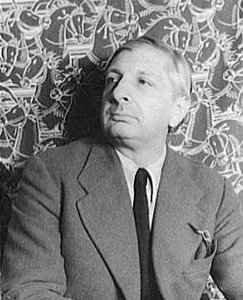
Žygio de Čiriko kūriniai išgarsino metafizinį impresionizmą – šiuolaikinį meno stilį, kuriame naudojami simboliniai vaizdai ir įdomūs perspektyvos žaidimai. Štai jo gyvenimo istorija: Žygis de Čiriko gimė 1888 metais Volose, Graijoje, italijos tėvams – Genoeso moteriai ir Sicilijiečiui tėčiui. Jis studijavo Münchene ir buvo įtakotas Arnoldo Böcklinio darbais bei filosofija iš Nietsche ir Šopenhaue
§ 3Komentaras
A Frozen Moment of Existential Inquiry: De Chirico’s *Conversation*
Giorgio de Chirico's 1927 painting, *Conversation*, is more than just a depiction of two figures engaged in dialogue; it’s a meticulously crafted evocation of the unsettling anxieties and philosophical questions that defined the burgeoning Metaphysical art movement. Executed during a period of profound intellectual and social upheaval – marked by the rise of Nietzschean thought and a growing sense of alienation within European cities – the painting captures a moment suspended between reality and dream, logic and irrationality. The scene unfolds within a classically rendered room, imbued with an almost theatrical stillness that amplifies the inherent tension of the interaction.
- Subject Matter: The central focus is undeniably the interaction between the man and woman. Their formal attire – the man’s tie, the woman's bun – speaks to a bygone era, yet their faces remain deliberately obscured, fostering an immediate sense of detachment and anonymity.
- Composition & Technique: De Chirico masterfully employs his signature technique of juxtaposing familiar objects in unexpected ways, creating a disconcerting effect. The dining table, the vase, and the two framed pictures contribute to this unsettling atmosphere, drawing the viewer into a space that feels both recognizable and profoundly strange. The use of sharp angles, receding planes, and a limited color palette – dominated by muted browns, grays, and ochres – further enhances the painting’s sense of depth and isolation.
The Roots of Metaphysical Art
De Chirico's *Conversation* is a cornerstone of the Metaphysical art movement, which emerged in Italy during the 1920s. This style sought to depict not what was seen, but what *could be seen*, tapping into subconscious anxieties and exploring themes of loneliness, alienation, and the illusory nature of reality. Influenced heavily by philosophers like Schopenhauer and Nietzsche, De Chirico aimed to capture the subjective experience of existence – a world perceived through fragmented memories and unsettling juxtapositions. The painting’s atmosphere mirrors the intellectual climate of the time, reflecting a growing disillusionment with traditional values and a fascination with the irrational.
- Historical Context: Created in 1927, *Conversation* reflects the anxieties of a Europe grappling with rapid industrialization, social change, and the rise of totalitarian ideologies.
- Philosophical Influences: The painting’s themes resonate directly with the existentialist philosophies gaining traction at the time, particularly concerning the isolation of the individual within a seemingly meaningless world.
Symbolism and Emotional Resonance
*Conversation* is rich in symbolic potential, though De Chirico deliberately avoids explicit interpretations. The obscured faces invite viewers to project their own anxieties and uncertainties onto the scene. The classical setting, combined with the unsettling composition, creates a sense of timelessness – as if these figures are trapped within an eternal loop of unspoken dialogue. The painting’s emotional impact is profoundly melancholic, evoking a feeling of unease and prompting contemplation about the nature of communication, identity, and the human condition. It's a visual meditation on the profound loneliness that can exist even in the midst of interaction.
Specifications
Title: Conversation
Artist: Giorgio de Chirico
Year: 1927
Size: 130 x 97 cm
Style: Metaphysical Art
Medium: Oil on Canvas
Klausimai ir atsakymai
Ką „Conversation“ turi bendro su visa Žiovas Čirikos kūryba?
„Conversation“ priklauso Žiovas Čirikos Metaphysical Surrealism kūrybai, kurios įrašytoms temoms priskiriamas nietzsche, schopenhauer, weininger, alienation, existentialism, doubt, classical symbolism, illusion.
Kokia „Conversation“ spalvų intensyvumas?
„Conversation“ spalvų nasyginimas yra Balanced Soft, o intensyvumas – Vivid.
Kur galiu atsisiųsti „Conversation“ – Žiovas Čirikos?
Kūrinį „Conversation“ galima atsisiųsti: jo Atsisiųsti skaitmeninį vaizdą puslapyje siūloma aukštos raiškos skaitmeninio vaizdo atsisiuntimas.


 Perjungti į spausdinamus版作品


 Dėl meno kūrinių ar reprodukcijų, kurių bet kuri pusė yra didesnė nei 105 cm (apie 41 inch), rėmas bus siunčiamas kaip išskaidytas surinkimo rinkinys. Šis metodas užtikrina saugų pristatymą ir apsaugo nuo transportavimo metu galimos žalos.


