


 Peržiūrėti realaus dydžio版
 Siųsti
 Dalintis
 Išsamiau
 Gidas
Gidas

 Atsisiųsti
 Panašūs eksponatai
 Rentgeno spindulių nuotrauka
 Diaporama
 Statistika
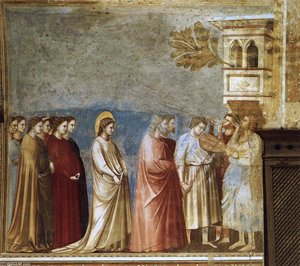
The Marriage of the Virgin
 Oil
Oil- WallArt
- Renaissance
 1519
1519- Renaissance
 56.0 x 119.0 cm
 Museo Poldi Pezzoli
 Rodyti daugiau
Įsigykite aukštos skiriamosios raiškos, patobulintą skaitmeninį vaizdą, gerokai pranašesnį už internetinę peržiūrą.
Kiekvieną failą mūsų specialistai kruopščiai paruošia naudojant pažangias technologijas ir profesionalų rankinį retušavimą. Užtikriname, kad kiekvienas vaizdas pasižymėtų išskirtiniu aiškumu, tikslia spalvų atspalviu ir smulkiomis detalėmis.
Baigiamas failas el. paštu pristatomas per 72 valandas; jis optimizuotas nedelsiant naudojimui profesionalioje, redakcinėje ir spausdinimo aplinkoje. Tai ta pati kokybė, kuria pasitiki aukščiausios klasės dizaino studijos, leidyklos ir galerijos.
Skaitmeninis vaizdas
Atsisiųskite didelės raiškos failą asmeniniam naudojimui, spausdinimui ir kūrybiniams projektams. ( Perjungti į spausdinimą Pirkti rankomis tapytą reprodukciją)
Kiekvieną skaitinio vaizdo užsakymą papildė
Profesionalus skaitmeninis vaizdų pristatymas, garantuotas
Pasirinkę AllPaintingsStore.com, jūs ne tik gaunate paveikslėlį – jūs gaunate profesionaliai patobudintą skaitmeninį kūrinį, sukurtą itin tikniai ir užtikrinantį pasitenkinimą. Štai viską, kas automatiškai pritékia jūsų užsakymui:

Greitas nuotraukų gavimas el. paštu
Jūsų aukštos raiškos skaitmeninis vaizdo failas bus išsiųstas el. paštu per 72 valandas nuo užsakymo – jis bus paruoštas naudoti be jokių papildomų veiksmų.

Skaitmeninis failas su dirbtiniu intelektu
Jūsų meno kūrinys profesionaliai optimizuojamas naudojant pažangius dirbtinio intelekto įrankius ir rankinį redagavimą, užtikrinant maksimalią detalę, aiškumą ir spalvų tikslumą.

Nemokamas visam laikui pakartotinis siuntimas
Atsitiktinai ištrytikote ar praradote savo failą? Nebijokite – bet kuriuo metu atsiųsime jį jums vėl nemokamai.

Jokio importo mokesčio – niekada
Mėgaukitės savo meno kūriniu akimirka – skaitiniai failai visada yra neapmokestinami, todėl nereikės mokėti muitinės, mokesčių ar pristatymo mokesčių.

Spalvų tikslumo garantija
Naudodami profesionalią įrangą ir spalvų valdymo sistemas, užtikriname, kad jūsų skaitmeninis vaizdas kuo tiksliau atspindėtų originalias spalvas.

100 dienų patikimumo garantija
Jei nebuvosite patenkinti įsigyto skaitmeninio vaizdo, mes jį tališkai koreguosime arba grąžinsime 100% sumą per 100 dienų – be jokių klausimų.

100% pinigų grąžinimo garantija
Nesitenkinate? Gaukite visą sumokėtą sumą per 100 dienų nuo skaitmeninio failo gavimo – be jokių papildomų klausimų.

Nuolaidos dideliems užsakymams
Pirkti 3 nuotraukas – 10% nuolaida – Pirkti 5 – 15% nuolaida – Pirkti 10 ir daugiau – 20% nuolaida. Puikiai tinka kūrybiniams projektams, galerijoms bei agentūroms.
A Sacred Union Captured in Lombard Elegance
In the quiet, reverent atmosphere of 1519, Giovanni Angelo del Maino breathed life into a scene of profound spiritual significance with his masterpiece, The Marriage of the Virgin. This painting serves as more than just a religious depiction; it is a window into the heart of the High Renaissance in Lombardy. The composition centers on the sacred union between Mary and Joseph, capturing the precise moment where earthly celebration meets divine destiny. As the eye wanders through the frame, one encounters a tapestry of humanity—at least fourteen distinct figures, each rendered with a unique dignity that suggests a community bound by faith. The arrangement of the guests, some poised in the foreground with striking clarity and others receding into the soft architectural depths, creates a sense of rhythmic movement that draws the viewer directly into the wedding procession.
The artist’s mastery is particularly evident in the way he utilizes light and structure to elevate the narrative. Set against the grandeur of a classical archway, the scene possesses an architectural stability that mirrors the permanence of the vows being exchanged. Del Maino, a man whose lineage was steeped in the meticulous traditions of woodcarving, brings a sculptural precision to the drapery and forms of his subjects. The clothing of the attendees varies from simple, humble garments to more elaborate, textured attire, hinting at a diverse social gathering brought together by a singular holy event. This interplay of textures—the heavy folds of fabric against the smooth, cool stone of the backdrop—adds a tactile dimension to the work, making the scene feel tangibly present.
The Symbolism of Devotion and CommunityBeyond the surface beauty, The Marriage of the Virgin is rich with the symbolic language of the sixteenth century. The central positioning of Mary and Joseph acts as an anchor for the entire composition, representing the purity and strength of the Holy Family. The surrounding crowd does not merely act as decoration; they represent the collective witness of the Church and the continuity of tradition. Every gesture, from a bowed head to a celebratory glance, contributes to an overarching atmosphere of joy and solemnity. For the discerning collector or interior designer, this piece offers a profound emotional resonance, blending the warmth of a communal celebration with the quiet introspection required by sacred art.
A Timeless Addition to Sophisticated InteriorsFor those looking to curate a space that speaks of history, elegance, and spiritual depth, a high-quality reproduction of this work offers unparalleled inspiration. The elongated format of 56 x 119 cm allows the painting to serve as a commanding focal point in a room, particularly when placed in hallways or above consoles where its narrative flow can be fully appreciated. Whether integrated into a classical setting or used to provide a soulful contrast in a contemporary minimalist interior, Del Maino’s work brings with it an aura of prestige and a connection to the golden age of Italian Renaissance art. It is an investment in beauty that transcends time, offering a constant reminder of the grace found in moments of profound connection.
Susiję kūriniai


![Scrovegni - [11] - Jekelė Marijos Ir Josefo — Džotas Di Bondonė, Proto-renaissance](/media/artworks/images-thumb/09/93/0993bcf27eb6693be09506b28bfe6988.jpg)


Autoriaus biografija
A Life Shaped by Wood and Faith: The Story of Giovanni Angelo del Maino
Giovanni Angelo del Maino (c. 1475 – date of death unknown, likely Pavia) stands as a pivotal figure in the artistic landscape of late 15th and early 16th century Lombardy. More than just a sculptor, he was a craftsman deeply rooted in tradition yet capable of injecting dramatic emotion and sophisticated composition into his works. Born into a family dynasty of woodcarvers – his father, Giacomo del Maino, headed one of Milan’s most prestigious workshops – Giovanni inherited not only technical skill but also an established legacy demanding both innovation and respect for established forms. His career unfolded primarily in Pavia and the Duchy of Milan, leaving behind a body of work that reflects the evolving artistic currents of the Renaissance while retaining a distinctly regional character.
Del Maino’s early training was undoubtedly within his father's workshop. This provided him with an invaluable foundation in the techniques of wood carving – particularly the intricate detailing required for choir stalls, architectural elements, and religious sculpture. However, he quickly distinguished himself as a sculptor capable of independent vision. His artistic development coincided with a period of significant change in Italian art, marked by the influence of artists like Donatello and Botticelli, who were pushing the boundaries of realism and emotional expression. Del Maino absorbed these influences, adapting them to his own regional context and developing a unique style characterized by dramatic poses, expressive faces, and a masterful use of light and shadow.
The Dramatic Narrative of ‘The Massacre of the Innocents’
Among Del Maino's most celebrated works is his depiction of 'The Massacre of the Innocents,' a scene brimming with pathos and violence. Executed around 1520, this sculpture exemplifies his ability to convey profound emotional depth through carefully sculpted figures. The composition—a chaotic tableau of grieving mothers and infants amidst the carnage—is both unsettling and deeply moving. Del Maino doesn’t simply depict the event; he embodies its horror and sorrow. Note the meticulous detail in the faces of the women, each expressing a unique blend of anguish and despair. The positioning of the figures, particularly the outstretched arms and contorted bodies, creates a powerful sense of immediacy and invites viewers to confront the brutality of the scene.
The sculpture’s impact was significant, demonstrating Del Maino's ability to translate complex religious narratives into emotionally resonant forms. It is believed that this work was commissioned for the church of San Giovanni Battista in Pavia, a testament to its importance within the artist’s oeuvre. The piece showcases his mastery of wood carving and his understanding of human anatomy, combined with an exceptional talent for conveying emotion.
Religious Scenes and the Compianto
Beyond ‘The Massacre of the Innocents,’ Del Maino produced a significant body of religious sculpture, often centered around the theme of the *Compianto*, or Lamentation over the Dead Christ. These works—including depictions of Mary Magdalene in sorrowful contemplation and Nicodemus mourning the fallen Savior—are characterized by their intense emotionalism and dramatic realism. His depiction of Mary Magdalene, for example, is particularly striking; she embodies a profound sense of grief, her face etched with anguish and despair. The artist’s use of light and shadow further enhances the scene's emotional impact, creating a palpable atmosphere of sorrow.
These *Compianto* scenes demonstrate Del Maino’s ability to capture the essence of religious devotion through meticulously crafted figures. His works were frequently commissioned for churches throughout Lombardy, including the Cathedral of Como and various confraternity chapels. These commissions reflect his growing reputation as a skilled and respected artist.
Influence and Legacy
Giovanni Angelo del Maino’s legacy extends beyond his individual works. He played a crucial role in transmitting artistic traditions from the late Gothic period to the early Renaissance, adapting established forms while simultaneously introducing new elements of realism and emotional expression. His work influenced subsequent generations of Lombard sculptors, contributing to the region's rich artistic heritage. His connection to the workshop of Giacomo del Maino ensured that he was exposed to a high level of craftsmanship and artistic training, providing him with a solid foundation for his own creative endeavors.
Despite the lack of definitive information regarding his death date, Del Maino’s impact on Lombard Renaissance art remains undeniable. His sculptures continue to resonate with viewers today, offering a poignant glimpse into the religious beliefs and emotional sensibilities of a bygone era. His work serves as a testament to the enduring power of wood carving and the ability of art to evoke profound emotions.

giovanni angelo del maino
1475 - 1536 , Italy
Pagrindinė informacija
- Artistic Movement Or Style: Renaissance (Lombard)
- Artists Or Movements Influenced By This Artist: ['Renaissance art']
- Artists Who Influenced This Artist: ['Donatello']
- Date Of Birth: c. 1475, Pavia
- Date Of Death: c. 1536
- Full Name: Giovanni Angelo del Maino
- Nationality: Italian
- Notable Artworks:
- Massacre of the Innocents
- Compianto Christ
- Nicodemus
- Place Of Birth: Milan, Italy

