


 Peržiūrėti realaus dydžio版
 Siųsti
 Dalintis
 Išsamiau
 Gidas
Gidas

 Atsisiųsti
 Panašūs eksponatai
 Rentgeno spindulių nuotrauka
 Diaporama
 Statistika
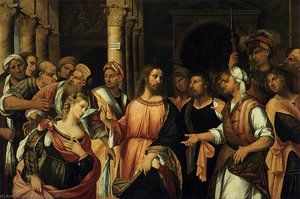
The Mystical Marriage of Saint Catherine
 118.0 x 95.0 cm
 Musei Civici di Arte Antica e Museo Riminaldi
 Rodyti daugiau
Rankų darbo aliejinės reprodukcijos
Rankiniu būdu tapytas aliejus ant droblio jūsų pageidaujamame dydį ir rėmuose – mūsų menininkų darbas pagal užsakymą. ( Perjungti į spausdinimą Perejti prie skaitmeninių vaizdų)




































Pasirinkite iš mūsų nustatytų dydžių, atitinkančių originalaus meno kūrinio proporcijas.

Galite įvesti savo matmenis, kad jie atitiktų konkretų rėmą ar erdvę. Jei pasirinktas dydis neatitinka originalaus paveikslėlio proporcijų, mes arba apkropsime meno kūrinį, arba papildysime tapybą rankomis dažytい elementais. Prieš pradėdami gamybą, jūsų patvirtinimui atsiųsime skaitmeninį maketą.
Atkreipkite dėmesį, kad ekrane rodomas vaizdas neatspindi tikrojo apkarpymo ar papildymo. Tik maketas tiksliai parodys galutinę kompoziciją.
Nors galima rinktis ir individualius dydžius, rekomenduojame pasirinkti matmenis iš nustatytos sąrašo, kad būtų išlaikytos originalios proporcijos.
Gavus užsakymą, AllPaintingsStore.com komanda susisieks su klientu el. paštu dėl instrukcijų ir pateiks maketo pavyzdį
Pristatymas visame pasaulyje () per 3–4 savaites, o ne įprastai – per 5 savaites. (21 rugsėjis). Kokybė lieka nepakeičiama.

Nemokamas greitasis pristatymas visame pasaulyje

Aukštos kokybės lininis drobė

Pilnas siuntimo draudimas

Muitinės mokesčių grąžinimo garantija

Tikro spalvų atitikimo garantija

100 dienų grąžinimo politika (tik esant įtaigoms)

100% pinigų grąžinimo garantija

Nuolaida dideliems užsakymams
 Stiklo variantas prieinamas tik pasirinkus dydį iki 110 cm

The Mystical Marriage of Saint Catherine
Reprodukcijos technika
Reprodukcijos dydis
-


Visų pasirinktų variantų kaina
$ 258
Susiję kūriniai




Autoriaus biografija
Giovanni Balducci (1560–1631): Florentine Mannerist Painter
Giovanni Balducci, known as Il Cosci after his maternal uncle, was a pivotal figure in the Florentine Mannerist movement of the late 16th century. Born around 1560 in Florence—a city brimming with artistic innovation and patronage—Balducci’s career unfolded against the backdrop of papal ambition and humanist ideals, leaving an indelible mark on Italian art history. His formative years were spent under the tutelage of Giovanni Battista Naldini, a celebrated sculptor and painter who instilled in Balducci a foundational understanding of disegno – the careful observation and representation of nature—a cornerstone of Mannerist aesthetics.- Early Training & Influences:
- Naldini’s teachings emphasized meticulous detail and idealized forms, mirroring the stylistic preferences of artists like Andrea Palladio and Michelangelo Buonarroti. Balducci absorbed these influences, shaping his artistic vision.
Career Highlights: Frescoes & Patronage
Balducci’s artistic reputation soared during his time in Florence, where he secured commissions from influential families and the Medici court. Perhaps his most ambitious undertaking was the monumental fresco of ‘The Last Judgment,’ executed between 1575 and 1579 within Brunelleschi's Dome of Santa Maria del Fiore—a project overseen by Federico Zuccari, a fellow Mannerist master. This colossal artwork embodies the movement’s preoccupation with theological themes and dramatic composition, showcasing Balducci’s mastery of perspective and color orchestration. He collaborated closely with Vasari on similar projects, furthering his reputation as a skilled craftsman and innovator.- Notable Commissions:
- Beyond the Dome, Balducci contributed to the decoration of Sant'Agostino Chapel in San Gimignano and assisted Alessandro Allori in embellishing Vasari’s Gallery for the Uffizi—demonstrating his versatility across diverse artistic endeavors.
Religious Art & The Medici Wedding Celebrations
Balducci’s artistic output was deeply intertwined with religious fervor and served as a visual spectacle during significant cultural events. His involvement in the decoration of Sant'Agostino Chapel—a commission commemorating the wedding of Ferdinand I de' Medici and Christina of Lorraine—highlights the importance of court patronage in shaping artistic trends. The opulent banners and arches he crafted underscored the grandeur of the occasion, reflecting the Mannerist penchant for theatricality and elaborate ornamentation.- The Wedding Celebration:
- Balducci’s frescoes at Sant'Agostino exemplify the stylistic conventions of the era—characterized by flattened perspectives, stylized drapery, and emotionally charged figures—a deliberate effort to impress the royal couple and their guests.
Later Years & Naples
Balducci’s artistic journey extended beyond Florence into Naples, where he established himself as a respected painter and collaborated with Alessandro Allori on the decoration of Volterra Cathedral. He continued to produce impressive artworks during his time in Naples, including altarpieces for Santa Maria della Sanità and frescoes for the Cloister of Santa Maria del Carmine—testaments to his enduring artistic talent. His final masterpiece, ‘The Pardon of Carlo Gesualdo,’ completed in 1609, remains a haunting portrayal of human emotion and spiritual contemplation. Giovanni Balducci died in Naples in 1631, leaving behind a legacy as one of the foremost Mannerist painters of his generation.
giovanni balducci
1560 - 1631
Trumpa informacija apie kūrėją
- Artistic Movement Or Style: Mannerist
- Artists Who Influenced This Artist:
- Giovanni Battista Naldini
- Federico Zuccari
- Alessandro Allori
- Vasari
- Date Of Birth: c.1560
- Date Of Death: 1631
- Full Name: Giovanni Balducci
- Nationality: Italian
- Notable Artworks:
- Last Supper Fresco
- Judgment Painting
- Miracle of Loaves and Fish
- Pardon of Carlo Gesualdo
- St Dominic Dispense the Rosary
- St Peter Martyr
- Place Of Birth: Florence, Italy

