

1862. Aliejus ant drobės, 120.0 x 74.0 cm. Metropolitano muziejus.

§ 1Catalogue data

- 120.0 x 74.0 cm


§ 2Abstract
Kolekcinio objekto aprašas
Gustave Courbet’s ‘The Source’ (1862) is a revolutionary Realist masterpiece depicting a nude woman before a waterfall, challenging artistic conventions and celebrating raw beauty & nature's power.
 Skaityti daugiau
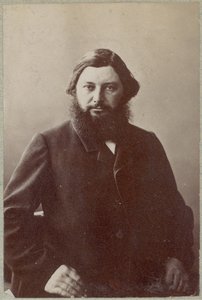
Autoriaus biografija
Gustavas Kurbė (1819–1877) – realizmo pradininkas! Ištyrinę paveikslus, vaizduojančius kasdienį gyvenimą ir darbo žmonių temas, kaip „Laidotuvės Ornane“. Susipažinkite su jo revoliuciniu įtaka 19-ojo amžiaus menui.
§ 3Commentary
The Source: A Revolutionary Embrace of Reality
Gustave Courbet’s “The Source,” completed in 1862, stands as an undeniable cornerstone of Realism—a movement that vehemently rejected the idealized conventions of Romantic art and championed a brutally honest depiction of everyday life. More than just a painting; it's a manifesto declaring defiance against artistic dogma and asserting the primacy of observation.
- Artist: Gustave Courbet (1819-1877) – A rebellious spirit who challenged academic norms with unwavering conviction.
- Dimensions: 120 x 74 cm – Its substantial size commands attention, mirroring the artist’s ambition to convey grandeur and immediacy.
- Location: The Metropolitan Museum of Art, New York City – A testament to its enduring significance within art history.
The painting portrays a nude woman positioned before a waterfall or fountain, her back turned towards the viewer—a deliberate choice that underscores Courbet’s rejection of traditional female figures modeled after classical ideals. Instead, he presents us with an unvarnished portrayal of femininity, stripped bare of embellishment and imbued with palpable vulnerability.
Composition & Elements: The scene unfolds against a backdrop of rugged rocks and verdant trees—a carefully constructed landscape designed to heighten the emotional impact of the central figure. A potted plant adds depth and textural complexity, subtly reinforcing the painting’s connection to the natural world. Courbet's meticulous brushstrokes capture the shimmering surface of the water, conveying its coolness and dynamism.
Historical Context & Influence: Courbet’s work emerged in response to the prevailing artistic landscape of France during his time—a period dominated by academic art that prioritized idealized beauty and mythological narratives. He actively opposed these conventions, aligning himself with artists like Jean-Auguste-Dominique Ingres who had previously championed a more restrained aesthetic. Ingres's painting “The Source,” exhibited in Paris the preceding year, served as an indirect stimulus for Courbet’s own artistic exploration—a shared preoccupation with capturing the essence of natural beauty and rejecting artificial ornamentation.
Artistic Movement: “The Source” epitomizes Realism—a movement characterized by its unflinching commitment to portraying subjects in a truthful and accurate manner. Unlike Romantic art's penchant for emotional excess and imaginative embellishment, Realism sought to represent the world as it appeared to ordinary people—without sentimentality or moral judgment. Courbet’s stylistic innovations—particularly his use of bold color palettes and loose brushwork—were instrumental in shaping the trajectory of subsequent artistic movements, including Impressionism and Cubism.
Symbolism & Emotional Impact: Beyond its formal qualities, “The Source” resonates with profound symbolic significance. The woman’s posture—facing away from the viewer—suggests introspection and contemplation—a deliberate gesture that invites viewers to engage in a dialogue about beauty, vulnerability, and the relationship between humanity and nature. Courbet's masterful depiction of light and shadow contributes to the painting’s evocative atmosphere—creating an image that transcends mere representation and speaks directly to the human spirit.
Related Works: Courbet’s artistic legacy extends beyond “The Source,” encompassing masterpieces such as “Woman with a Parrot” (1866) and “Nude with Flowering Branch” (1862)—all housed at The Metropolitan Museum of Art. These paintings demonstrate Courbet's unparalleled ability to capture the sublime beauty of everyday life—challenging artistic conventions and establishing him as one of the most influential artists of his era.
Klausimai ir atsakymai
Kokią emociją sukelia „The Source“?
„The Source“ – Gustavas Kurbė perteikia Refleksyvus emocinę nuotaiką.
Kokia buvo Gustavas Kurbė amžius sukuriant „The Source“?
Gustavas Kurbė buvo 43 metų, kai 1862 m. sukūrė kūrinį „The Source“. Amžius apskaičiuotas remiantis gimimo metais 1819.
Į kokį kambarį rekomenduojamas „The Source“ – Gustavas Kurbė?
Kūrinys „„The Source“ – Gustavas Kurbė“ rekomenduojamas Popieriaus svetainė. Šis pasiūlymas pagrįstas darbo tema, spalvomis ir nuotaika.


 Perjungti į spausdinamus版作品


 Dėl meno kūrinių ar reprodukcijų, kurių bet kuri pusė yra didesnė nei 105 cm (apie 41 inch), rėmas bus siunčiamas kaip išskaidytas surinkimo rinkinys. Šis metodas užtikrina saugų pristatymą ir apsaugo nuo transportavimo metu galimos žalos.


