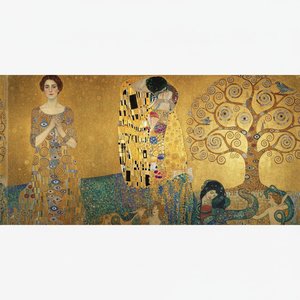
Oil On Canvas.

§ 1Katalogo duomenys


§ 2Abstraktus
Kolekcinio objekto aprašas
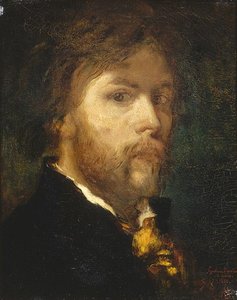
Gustave Moreau's 'Tête d’Orphée' presents an enigmatic Symbolist portrait of a woman amidst a forest setting, showcasing intricate details and dreamlike beauty. Explore this captivating artwork by the 19th-century French master and bring its timeless allure into your space.
 Skaityti daugiau
Autoriaus biografija
Gustavas Moreaus meno kūriniai žymi simbolistą stilį ir įkvėpė tokius artistas kaip Henri Matisse bei Žoržas Rouault. Jo darbų muziejus Paryžiuje yra vienas iš svarbiausių Šiuolaikinės estetikos paminklų.
§ 3Komentaras
Gustave Moreau’s ‘Tête d'Orphée’: A Descent into Mythic Beauty
Gustave Moreau’s “Tête d'Orphée” (Head of Orpheus) is not merely a portrait; it’s an immersion. Painted during the heart of the Symbolist movement in late 19th-century Paris, this oil on canvas transcends simple representation, offering instead a profound meditation on myth, emotion, and the human condition. The painting depicts a woman – her identity deliberately obscured – framed by a richly detailed forest backdrop, immediately establishing a connection to ancient narratives and the power of storytelling. Moreau’s work, deeply rooted in the traditions of academic art training yet radically independent in its aims, sought to evoke not what was seen, but what *felt*—a core tenet of Symbolism.
- Subject & Composition: The central figure, a woman with flowing hair and a delicate necklace, dominates the canvas. Her gaze, lost in contemplation, invites the viewer into her private world. The forest setting isn’t merely decorative; it serves as a symbolic landscape, echoing the realms of Greek mythology where Orpheus, the legendary musician, charmed both gods and beasts with his lyre.
- Technique & Materials: Moreau masterfully employs oil paint to achieve a remarkable level of detail and texture. The brushstrokes are visible yet controlled, contributing to the painting’s almost tactile quality. The rich colors – deep greens, browns, and hints of gold – create an atmosphere of both serenity and mystery.
The Symbolist Vision: Beyond Realism
Moreau's artistic vision was profoundly influenced by the intellectual currents of his time. He rejected the objective realism championed by movements like Impressionism, instead embracing a subjective approach rooted in Romanticism and the burgeoning field of psychology. He drew heavily from classical mythology, medieval symbolism, and esoteric traditions – elements that would become hallmarks of the Symbolist style. This wasn’t about depicting a literal scene; it was about conveying an *idea*, a mood, a spiritual resonance. The painting's title itself, “Head of Orpheus,” suggests a focus on the musician’s soul, his ability to move and inspire, rather than simply his physical appearance.
- Historical Context: Moreau was part of a vibrant artistic community in Paris that included artists like Odilon Redon and Alexandre Cabanel. The Symbolist movement emerged as a reaction against the perceived materialism and superficiality of bourgeois society, seeking instead to explore deeper truths through art.
- Influence of Mythology: Orpheus, the Greek god of music and poetry, was a central figure in Moreau’s artistic explorations. His story represented the power of beauty, truth, and emotion—themes that resonated deeply with the Symbolist aesthetic.
Symbolism & Emotional Resonance
“Tête d'Orphée” is saturated with symbolic meaning. The woman herself can be interpreted as representing both earthly beauty and divine inspiration. The forest, a recurring motif in Moreau’s work, symbolizes the unconscious mind—a realm of hidden emotions and forgotten memories. The necklace, a subtle detail, might allude to Orpheus's lyre, or perhaps to a connection with the spiritual world. More than just a beautiful image, this painting evokes a powerful sense of melancholy, longing, and contemplation – qualities that are central to the Symbolist aesthetic. The overall effect is one of profound introspection, inviting the viewer to confront their own emotions and beliefs.
A Timeless Masterpiece
Moreau’s “Tête d'Orphée” remains a captivating work of art, demonstrating his mastery of technique and his ability to tap into universal themes. Its evocative imagery and profound symbolism continue to resonate with audiences today. AllPaintingsStore.com offers meticulously crafted hand-painted reproductions that faithfully capture the beauty and depth of this iconic Symbolist masterpiece, allowing you to bring its timeless allure into your home or office.
Klausimai ir atsakymai
Kokia yra „Tête d'Orphée“ tema ir kokią atmosferą ji sukuria?
„Tête d'Orphée“ – Gustavas Moreaus vaizdelioje atspindžiami portrait woman, forest scene, mythological figure, symbolist art, gustave moreau, oil on canvas, necklace detail, sukurti Ethereal nuotaika. Tematika ir atmosfera kartu apibūdina šį kūrinį.
Kokio atspalvio link tendencija yra „Tête d'Orphée“?
Dominuojantis „Tête d'Orphée“ – Gustavas Moreaus atspalvis yra Golden Yellow Range.
Į kokį kambarį rekomenduojamas „Tête d'Orphée“ – Gustavas Moreaus?
Kūrinys „„Tête d'Orphée“ – Gustavas Moreaus“ rekomenduojamas Living Room. Šis pasiūlymas pagrįstas darbo tema, spalvomis ir nuotaika.


 Perjungti į spausdinamus版作品


 Dėl meno kūrinių ar reprodukcijų, kurių bet kuri pusė yra didesnė nei 105 cm (apie 41 inch), rėmas bus siunčiamas kaip išskaidytas surinkimo rinkinys. Šis metodas užtikrina saugų pristatymą ir apsaugo nuo transportavimo metu galimos žalos.