

Akrilas ant drobės.

§ 1Catalogue data


§ 2Abstract
Kolekcinio objekto aprašas
Explore Henri Matisse's vibrant "Dinner Table" (1897), a pivotal work foreshadowing Fauvism. Discover its bold colors, expressive brushstrokes & revolutionary approach to capturing everyday life. A masterpiece of modern art.
 Skaityti daugiau
Autoriaus biografija
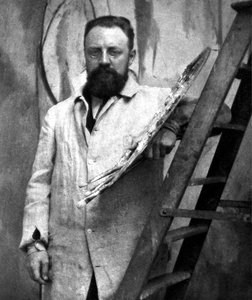
Atgaukite Henri Matiso (1869–1954) – fovizmo spalvų meistrą! Apglėskite ikoninius kūrinius, popieriaus koliažus ir jo įtaką moderniam menui. Šis žymus prancūzų dailininkas sužavėjo pasaulį ryškiomis spalvomis ir novatoriškais sprendimais.
§ 3Commentary
Dinner Table by Henri Matisse
Henri Matisse’s “Dinner Table,” painted in 1897 during his formative years as an artist, stands as a cornerstone of Fauvist art and a testament to his pioneering approach to color and composition. More than just a depiction of a domestic scene—a woman preparing a meal amidst vibrant fruits and tableware—the painting embodies Matisse’s revolutionary vision for capturing the essence of experience through bold chromatic intensity. It resides in a private collection, offering rare insight into an early masterpiece of this influential movement.- Style: Fauvist – Matisse rejected Impressionism's focus on optical realism, opting instead for expressive color as its primary vehicle. This radical departure from convention marked the genesis of Fauvism, which sought to liberate color from naturalistic representation.
- Technique: Employing oil paint on canvas, Matisse utilized thick brushstrokes—a hallmark of Fauvist style—to build up layers of pigment and create a palpable sense of texture. The artist’s deliberate disregard for blending colors resulted in striking juxtapositions that commanded immediate visual attention.
- Historical Context: Painted at the cusp of the 20th century, “Dinner Table” reflects the broader artistic ferment of its time—the challenge to established norms and the embrace of subjective perception. It aligns perfectly with the broader Post-Impressionist movement, which sought to explore new expressive possibilities beyond mere imitation of nature.
- Symbolism: The fruits scattered across the tabletop symbolize abundance and nourishment—references to both physical sustenance and spiritual fulfillment. Similarly, the tableware represents ritual and tradition, anchoring the scene in a familiar domestic setting.
- Emotional Impact: “Dinner Table” evokes feelings of tranquility, warmth, and joy—a celebration of everyday life and human relationships. Matisse’s ability to distill complex emotions into a single image underscores his enduring legacy as one of the most influential artists of the modern era.
Klausimai ir atsakymai
Kokia atmosferą sukelia „Dinner Table“?
„Dinner Table“ – Anri Matisas nuotaika apibūdinama kaip Ramybė. Ši klasifikacija gali padėti priderinti kūrinį prie aplinkos.
Kur rekomenduojama eksponuoti „Dinner Table“ Horizontalus formatas formatą?
Savo Horizontalus formatas forma „Dinner Table“ reprodukcija siūloma Popieriaus svetainė kambariui.
Kokia technika panaudota kūriniui „Dinner Table"]?
Anri Matisas kūriniui „Dinner Table“ panaudojo Akrilas ant drobės techniką. Ši technika apibrėžė originalaus kūrinio medžiaginę prigimtį.


 Perjungti į spausdinamus版作品


 Dėl meno kūrinių ar reprodukcijų, kurių bet kuri pusė yra didesnė nei 105 cm (apie 41 inch), rėmas bus siunčiamas kaip išskaidytas surinkimo rinkinys. Šis metodas užtikrina saugų pristatymą ir apsaugo nuo transportavimo metu galimos žalos.


