1949. Lithograph. Tate Modern.

§ 1Catalogue data


§ 2Abstract
Kolekcinio objekto aprašas
Experience the vibrant energy of Henri Matisse's 1949 masterpiece The Dancer, a breathtaking display of bold Fauvist colors and rhythmic movement that invites you to bring this celebration of life into your collection.
 Skaityti daugiau
Autoriaus biografija
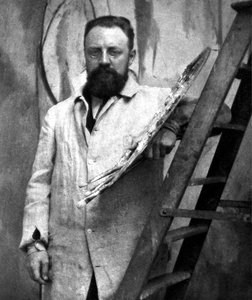
Atgaukite Henri Matiso (1869–1954) – fovizmo spalvų meistrą! Apglėskite ikoninius kūrinius, popieriaus koliažus ir jo įtaką moderniam menui. Šis žymus prancūzų dailininkas sužavėjo pasaulį ryškiomis spalvomis ir novatoriškais sprendimais.
§ 3Commentary
A Symphony of Color: Exploring Henri Matisse’s “The Dancer”
Matisse's "The Dancer," created in 1949, isn’t merely a depiction of movement; it’s an embodiment of joie de vivre—a celebration of life itself. Painted during his prolific period following the Second World War, this artwork exemplifies Matisse’s signature style: bold simplification and vibrant hues that prioritize expressive color over meticulous realism. The canvas bursts with shades of emerald green and sapphire blue, juxtaposed against a fiery red backdrop – a deliberate choice designed to capture the dynamism inherent in dance and convey an overwhelming sense of optimism.- Style & Technique: Matisse’s approach aligns perfectly with his revolutionary “cutout” technique—a method he pioneered in the late 1920s and early 1930s. Rather than blending pigments on canvas, he meticulously cut shapes from colored paper, gluing them onto a single sheet to create layered compositions that defy traditional perspective. This technique lends "The Dancer" an ethereal quality, as if fragments of light and color are suspended in space.
- Historical Context: The painting emerged from the aftermath of immense upheaval—the devastation of Europe during WWII profoundly impacted artists globally. Matisse responded to this period with a renewed commitment to artistic freedom and a desire to communicate joy amidst despair. His work reflects a broader humanist impulse, prioritizing beauty and emotion over intellectual abstraction.
Symbolism: Leaves as Vessels of Renewal
The prominent green leaves dominating the composition hold significant symbolic weight. Traditionally associated with rebirth, growth, and vitality—themes deeply rooted in pagan mythology—they represent Matisse’s belief in the enduring power of nature to heal and inspire. Their placement strategically frames the dancer, suggesting that she embodies this regenerative force, radiating energy outwards into the surrounding space.Emotional Impact: Capturing Movement and Spirit
“The Dancer” transcends mere visual representation; it aims to evoke a visceral response in the viewer. Matisse’s masterful use of color—particularly the scarlet red—creates an intense focal point, drawing attention to the dancer's posture and conveying a feeling of exhilaration. The simplified forms contribute to this emotional resonance, stripping away unnecessary detail to focus on the essence of movement and capturing the spirit of dance as an expression of freedom and joy.Interior Design Considerations
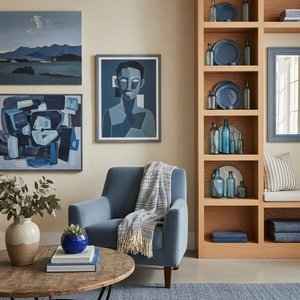
A reproduction of “The Dancer” would bring a striking splash of color into any interior space. Its bold palette—particularly the emerald green—harmonizes beautifully with natural materials like wood and stone, creating a serene yet invigorating atmosphere. Consider framing it in a minimalist frame to accentuate its vibrancy or incorporating it into a gallery wall alongside other artworks that share similar stylistic sensibilities.Klausimai ir atsakymai
Kokio spalvų ryškumo turi „The Dancer“ – Anri Matisas?
„The Dancer“ – Anri Matisas pasižymi Balanced spalvų intensyvumu.
Kaip meno kryptis ir epocha susilieja kūryboje „The Dancer“ – Anri Matisas?
„The Dancer“ – Anri Matisas priskiriamas fauve stiliui, kūrėjo prekiaujantem į XIX amžius laikotarpį.
Kokios nacionalinės kilmės šaknys slypi „The Dancer“ fauve?
fauve stiliaus kūrinys „The Dancer“ sukurtas menininko, gimęs Prancūzija.


 Perjungti į spausdinamus版作品


 Dėl meno kūrinių ar reprodukcijų, kurių bet kuri pusė yra didesnė nei 105 cm (apie 41 inch), rėmas bus siunčiamas kaip išskaidytas surinkimo rinkinys. Šis metodas užtikrina saugų pristatymą ir apsaugo nuo transportavimo metu galimos žalos.