


 Peržiūrėti realaus dydžio版
 Pasidalinti
 Dalintis
 Išsamiau
 Vadovas

 Atsisiųsti
 Panašūs eksponatai
 Rentgeno spindulių nuotrauka
 Automatinė diorama
 问答
问答 Statistika
APPRETS D'UN REPAS

 Skaityti daugiau
Giclée / Meno spausdinimas
Muziejų lygio „giclée“ arba drobos spausdinimas: greita gamyba ir lankstios apdailos parinktys. ( Pirkti rankų darbo tapybą Perejti prie skaitmeninių vaizdų)




































Pasirinkite iš mūsų nustatytų dydžių, atitinkančių originalaus meno kūrinio proporcijas.

Įveskite jums reikiamą plotį ir aukštį, kad atvaizdas derėtų prie jūsų rėmo ar sienos. Spausdiną galima tik sumažinti, bet nepadidinti virš originalaus paveikslėlio dydžio, todėl keičiant proporcijas, dalis vaizdo prarandama. Prieš spausdinimą atsiųsime jums skaitmeninį maketą patvirtinimui. Šioje puslapio nuotraukoje matomas pjūvis nėra tikslus – jį rodo tik maketas.
Pristatymas visame pasaulyje () per 2 weeks, o ne įprastas 4/5 savaičių laikotarpis. (8 lapkritis)

Nemokamas greitasis pristatymas visame pasaulyje

Aukštos kokybės lininis drobė

Pilnas siuntimo draudimas

Muitinės mokesčių grąžinimo garantija

Tikro spalvų atitikimo garantija

100 dienų grąžinimo politika (tik esant įtaigoms)

100% pinigų grąžinimo garantija

Nuolaida dideliems užsakymams
 Stiklo variantas prieinamas tik pasirinkus dydį iki 110 cm

APPRETS D'UN REPAS
Giclée / Meno spausdinimas
Reprodukcijos matmenys
-


Bendroji kaina
€ 58
panašūs kūriniai


Autoriaus biografija
The Quiet Splendor of Jacob Foppens van Es
In the golden age of Flemish Baroque painting, few artists captured the ephemeral beauty of the material world with as much understated grace as Jacob Foppens van Es. A master of the still life, Van Es occupied a pivotal position in the first generation of Flemish painters who elevated the depiction of food, flora, and everyday objects into a profound sensory experience. While his contemporaries often leaned toward the dramatic or the overtly opulent, Van Es cultivated an aesthetic of refined elegance. His works, characterized by a meticulous devotion to texture and light, do not merely present objects; they invite the viewer into a silent, contemplative dialogue with nature’s bounty.
Though the biographical details of his early life remain somewhat shrouded in the mists of the seventeenth century, we know that Van Es was deeply rooted in the vibrant artistic ecosystem of Antwerp. Estimates suggest he was born around 1596, likely into a prosperous merchant family. This background of stability may have provided the foundation for his disciplined approach to art. By 1617, he had achieved the prestigious status of master within the Antwerp Guild of Saint Luke. Interestingly, the lack of records showing him as a pupil within the guild suggests that his formative training might have taken place elsewhere, perhaps absorbing the stylistic nuances of masters like Adam van Noort or Maerten de Vos before returning to establish his legacy in his home city.
A Symphony of Texture and Light
The true genius of Van Es lies in his ability to breathe life into the inanimate. His compositions are masterclasses in the chiaroscuro technique, where subtle shifts in light and shadow create a palpable sense of volume and presence. When observing one of his fruit pieces, such as his celebrated depictions of peaches, grapes, and nuts, one is struck by the way the light clings to the velvety skin of a peach or glints off the translucent surface of a grape. He possessed an uncanny ability to render the tactile—the ruggedness of an oyster shell, the crispness of a leaf, or the heavy weight of an entablature.
His technical repertoire extended beyond simple food studies into the delicate realm of floral arrangements and even collaborative garland paintings. In these works, he worked alongside other masters to create intricate wreaths of blossoms that framed central religious or portrait subjects. This collaborative spirit highlights his integration into the broader Flemish tradition, standing alongside luminaries such as Osias Beert and Clara Peeters. His brushwork was never ostentatious; instead, it served a higher purpose: to honor the intricate details of the natural world, ensuring that every crumb, droplet, and petal felt anchored in reality.
Legacy and Historical Significance
The success of Jacob Foppens van Es was not merely a local phenomenon but a recognized standard of excellence throughout the seventeenth-century art market. The enduring value of his work is evidenced by its presence in the most esteemed collections of his era. Most notably, the legendary Peter Paul Rubens included two of Van Es’s works in his personal inventory, a testament to the respect even the giants of the Baroque era held for his skill. His social standing was equally significant; the fact that prominent artists like Jacob Jordaens served as godfathers to his children suggests he moved within the highest circles of Antwerp's intellectual and artistic elite.
As we look back upon his oeuvre, we see more than just historical artifacts; we see a bridge between the Renaissance focus on observation and the Baroque passion for drama. Van Es’s contribution to the Dutch and Flemish still-life tradition remains foundational. He helped define a genre that celebrated the beauty of the mundane, turning a simple breakfast or a bowl of fruit into a meditation on abundance, mortality, and the fleeting nature of time. His legacy lives on in every painting that seeks to find the extraordinary within the ordinary.

Jacob Foppens Van Es
1596 - 1666
Trumpa informacija
- Full Name: Hendrick van Balen I
- Nationality: Flemish
- Date Of Birth: 1596
- Date Of Death: 1666
- Place Of Birth: Antwerp
- Notable Artworks:
- The Iconography
- Garland painting
- Artistic Movement Or Style: Baroque
- Artists Who Influenced This Artist: ['Adam van Noort']
- Artists Or Movements Influenced By This Artist: ['Anthony van Dyck']
Susiję straipsniai

25 Must-See Masterpieces at The Louvre: A Journey Through Art History
Explore 25 iconic Louvre masterpieces, from Da Vinci to Egyptian relics. Discover museum-quality art on AllPaintingsStore.com.

25 Masterpieces by Édouard Manet: The Rebel Who Redefined Modern Art
Journey through the rebellious soul of French Impressionism with our curated list of Édouard Manet's top 25 masterpieces. From iconic scandals to modern Parisian scenes, explore the stories behind these timeless works and find museum-quality art reproductions. Discover all on AllPaintingsStore.com.
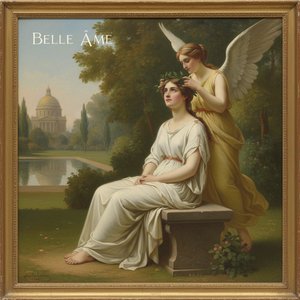
Jules Lefebvre: Master of Academic Realism & the Pursuit of Belle Âme
Explore the captivating figure paintings of Jules Lefebvre (1836-1911), a renowned French academic artist and educator. Discover his masterpieces, signature style, and lasting influence on art history. Shop high-quality reproductions at AllPaintingsStore.

25 Masterpieces by Édouard Manet: The Rebel Who Redefined Modern Art
Immerse yourself in the revolutionary world of Édouard Manet. Explore 25 iconic Impressionist masterpieces, from scandalous classics to timeless portraits. Find inspiration for museum-quality art reproductions and curated decor. Discover all masterpieces on AllPaintingsStore.com.

Louvro paslaptys: 25 įspūdingiausi meno šedevrai jūsų namams | AllPaintingsStore.com
Atraskite Louvro paslaptis! 25 įspūdingiausi meno šedevrai – nuo Monalizos iki Veneros iš Milo. Leonardo da Vinci, renesanso grožis ir klasikinės skulptūros istorijos. Meno reprodukcijos jūsų namams | AllPaintingsStore.com