

Acrylic On Canvas.

§ 1Katalogo duomenys


§ 2Abstraktus
Kolekcinio objekto aprašas
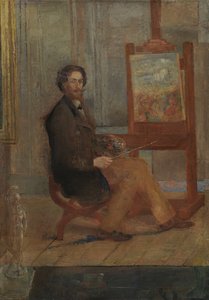
James Ensor's 'Coquillages 1' captures a haunting beach scene with shells surrounding a figure, reflecting the artist’s fascination with masks and shadows. Explore this Expressionist masterpiece through a hand-painted reproduction.
 Skaityti daugiau
Autoriaus biografija
Ekspresionizmo pionierius, žinomas dėl „Kristaus įžengimo į Briuselį“. Atraskite jo šiurbius masekų ir šešulių pasaulį jau šiandien.
§ 3Komentaras
James Ensor’s “Coquillages 1”: A Descent into Carnival and Shadow
James Ensor's "Coquillages 1," a captivating yet unsettling work, plunges the viewer into a world steeped in the peculiar atmosphere of his native Ostend. Painted around 1887-89, this piece exemplifies Ensor’s unique brand of Expressionism – a deliberate rejection of academic realism in favor of intensely personal and often psychologically charged imagery. The painting depicts a solitary figure seated on a beach, their head bowed in contemplation amidst a profusion of seashells. It's not merely a still life; it’s a carefully constructed tableau designed to evoke a sense of unease, mystery, and perhaps even a touch of melancholy.
Ensor’s upbringing profoundly shaped his artistic vision. Growing up in a souvenir shop overflowing with carnival masks, exotic shells, and other curiosities ignited within him a lifelong fascination with disguise, performance, and the darker aspects of human experience. This is immediately apparent in the painting's central figure – their obscured face, partially hidden by a hat, suggests an attempt to conceal identity, mirroring the theatricality of the carnivals that surrounded Ensor’s childhood. The shells themselves are not simply decorative elements; they represent fragments of memory, remnants of past experiences, and perhaps even symbols of mortality—each one a miniature echo of the vast ocean and its mysteries.
A Palette of Discomfort: Style and Technique
Ensor's technique is deliberately jarring, a far cry from the smooth brushstrokes of traditional academic painting. He employs thick, impastoed layers of paint, creating a tactile surface that seems almost sculptural. The colors are vibrant yet unsettling – deep blues and greens dominate the background, punctuated by flashes of crimson, ochre, and yellow in the shells and the figure’s clothing. This deliberate clash of hues contributes to the painting's overall sense of dissonance and psychological tension. Notice how he uses short, broken brushstrokes, particularly around the edges of the shells, creating a feeling of movement and instability.
The composition is carefully orchestrated to draw the viewer into the scene. The figure sits in the foreground, dominating the space, while the scattered shells extend outwards, almost enveloping the viewer. This creates a sense of depth and immersion, as if we are also standing on that windswept beach, confronted by this enigmatic presence. Ensor’s use of perspective is unconventional; it's not about creating a realistic depiction of space but rather about manipulating our perception to heighten the emotional impact of the scene.
Symbolism and the Carnival Spirit
“Coquillages 1” is rich in symbolic meaning, deeply rooted in Ensor’s personal experiences and artistic obsessions. The shells themselves are potent symbols – reminders of the sea, of fleeting beauty, and of the transience of life. They also evoke the imagery of his mother's souvenir shop, a place that served as both inspiration and a constant reminder of the world’s strangeness. The figure’s posture—head bowed in contemplation—suggests introspection, sorrow, or perhaps even despair. The hat further obscures their identity, reinforcing the theme of concealment and anonymity.
Crucially, the painting resonates with the spirit of the carnival – a space where masks are worn, identities are fluid, and the boundaries between reality and illusion blur. Ensor frequently depicted scenes from carnivals in his work, using them as metaphors for the anxieties and contradictions of modern life. “Coquillages 1” captures this sense of theatricality and unease, inviting us to question what is real and what is merely a performance.
A Window into an Unsettling Mind
James Ensor’s "Coquillages 1" is more than just a depiction of a beach scene; it's a profound exploration of the human psyche. It’s a hauntingly beautiful and deeply unsettling work that reveals Ensor’s unique vision—a world populated by masks, skeletons, and shadowy figures, all grappling with the mysteries of existence. A reproduction of this piece offers a remarkable opportunity to bring this evocative image into your home or office, serving as a constant reminder of the power of art to challenge our perceptions and provoke deep reflection. AllPaintingsStore.com offers meticulously crafted hand-painted reproductions that faithfully capture the texture, color, and emotional intensity of Ensor’s original masterpiece.
Klausimai ir atsakymai
Ar „Coquillages 1“ galima peržiūrėti papildydami realybę?
„Coquillages 1“ galima peržiūrėti papildytoji realybės formatu: kūrinio Peržiūra papildintajai realybei puslapyje, naudodami suderinamą įrenginį, galite pamatyti jį savo erdvėje.
Kuris menininkas ir koks stilius slypi už „Coquillages 1“?
„Coquillages 1“ kūrybinį darbu pasižymi James Ensor, taikantis Expressionist Surrealism stilių. Autorius ir stilius nurodo šio kūrinio tradiciją.
Kokią emociją perteikia „Coquillages 1“ – James Ensor?
Emocinis tonas, nurodytas kūriniui „Coquillages 1“ – James Ensor, yra Melancholic. Jis apibūdina jausmą, kurį išreiškia šis darbas.


 Perjungti į spausdinamus版作品


 Dėl meno kūrinių ar reprodukcijų, kurių bet kuri pusė yra didesnė nei 105 cm (apie 41 inch), rėmas bus siunčiamas kaip išskaidytas surinkimo rinkinys. Šis metodas užtikrina saugų pristatymą ir apsaugo nuo transportavimo metu galimos žalos.


