


 Peržiūrėti realaus dydžio版
 Pasidalinti
 Dalintis
 Išsamiau
 Vadovas

 Atsisiųsti
 Panašūs eksponatai
 Rentgeno spindulių nuotrauka
 Automatinė diorama
 Q&A
Q&A Statistika
Les Peches


 Skaityti daugiau
Gaukite spausdinimui paruoštą failą, kurio kokybė gerokai viršija internetinę peržiūrą. Kiekvienas mūsų parduodamas skaitmeninis vaizdas yra ištrauktas iš aukštos raiškos pagrindinio failo mūsų duomenų bazėje — paprastai jis siekia nuo 5 000 iki 15 000 pikselių plotio — todėl galite drąsiai spausdinti didelius formatus, apkirpti vaizdą ar reprodukcija užtikrins visas smulkias detales.
Mūsų studijoje nė viena kopija nelieka neapdorota. Skaitmeninio vaizdo ekspertas, lygiu su originaliu paveikslu, patikrina spalvas ir, jei reikia, jas koreguoja, o tada profesionaliais retušavimo įrankiais padidina aiškumą bei detales — visada išlaikydamas ištikimybę autoriaus teptuko traukoms ir stiliui. Rezultatas – vaizdas, kuris atrodo kaip tikras paveikslas, o ne kaip su filtrais apdorotas skenavimas.
Patvirtinate prieš užsakymo pabaigą: mūsų ekspertas per 72 valandas el. laišku atsiųsta vaizdą jūsų peržiūrai. Nepasitenkinate rezultatu? Paprašykite patobulinimų ar pataisymų arba prašykite pinigų grąžinimo, jei kokybė neatitinka jūsų lūkesčių.
Ši kokybė yra patikima leidybos įstaigoms, dizaino studijoms, galerijoms ir spaudos įmonėms.
Skaitmeninis vaizdas
Atsisiųskite didelės raiškos failą asmeniniam naudojimui, spausdinimui ir kūrybiniams projektams. ( Perjungti į spausdinamus版作品 Pirkti rankų darbo tapybą)
Kiekvieną skaitinio vaizdo užsakymą papildė
Profesionalus skaitmeninis vaizdų pristatymas, garantuotas
Pasirinkę AllPaintingsStore.com, jūs ne tik gaunate paveikslėlį – jūs gaunate profesionaliai patobudintą skaitmeninį kūrinį, sukurtą itin tikniai ir užtikrinantį pasitenkinimą. Štai viską, kas automatiškai pritékia jūsų užsakymui:

Greitas pristatymas el. paštu
Jūsų aukštos raiškos skaitmeninis vaizdo failas bus išsiųstas el. paštu per 72 valandas nuo užsakymo – jis bus paruoštas naudoti be jokių papildomų veiksmų.

Dirbtiniu intelektu tobulintas skaitmeninis failas
Jūsų meno kūrinys profesionaliai optimizuojamas naudojant pažangius dirbtinio intelekto įrankius ir rankinį redagavimą, užtikrinant maksimalią detalę, aiškumą ir spalvų tikslumą.

Nemokamas visam laikui pakartotinis siuntimas
Atsitiktinai ištrytikote ar praradote savo failą? Nebijokite – bet kuriuo metu atsiųsime jį jums vėl nemokamai.

Jokio importo mokesčio – niekada
Mėgaukitės savo meno kūrynu be jokių muitinės mokesčių, įkainų ar pristatymo išlaidų – skaitiniai failai visada yra neapmokestinami.

Spalvų tikslumo garantija
Naudodami profesionalią įrangą ir spalvų valdymo sistemas, užtikriname, kad jūsų skaitmeninis vaizdas kuo tiksliau atspindėtų originalias spalvas.

100 dienų patikimumo garantija
Jei nebuvosite patenkinti įsigyto skaitmeninio vaizdo, mes jį tališkai koreguosime arba grąžinsime 100% sumą per 100 dienų – be jokių klausimų.

100% pinigų grąžinimo garantija
Nesitenkinate? Gaukite visą sumokėtą sumą per 100 dienų nuo skaitmeninio failo gavimo – be jokių papildomų klausimų.

Nuolaidos dideliems užsakymams
Pirkti 3 nuotraukas – 10% nuolaida – Pirkti 5 – 15% nuolaida – Pirkti 10 ir daugiau – 20% nuolaida. Puikiai tinka kūrybiniams projektams, galerijoms bei agentūroms.
James Ensor's *Les Peches*: A Descent into Shadowed Symbolism
James Ensor’s *Les Peches* (The Deadly Sins) is not merely a still life; it’s a profoundly unsettling exploration of human nature, rendered with the artist’s signature blend of meticulous observation and deeply personal symbolism. Painted around 1904, this work exemplifies Ensor's unique approach to depicting everyday objects – in this case, a collection of fruit – as vehicles for psychological and spiritual commentary. The composition immediately draws the viewer into a space of quiet unease, dominated by the dark palette and the subtly distorted forms that characterize much of Ensor’s oeuvre. The arrangement of the apples, oranges, and bananas, seemingly casually placed on the table, feels deliberately staged, hinting at a narrative beyond simple representation.
- Subject Matter: The painting focuses on a still life featuring various fruits – apples, oranges, and bananas – arranged within a bowl.
- Artist: James Ensor (1860-1949), a prominent Belgian Symbolist painter known for his dark and often disturbing imagery.
- Date: Circa 1904
A Palette of Anxiety and the Symbolism of Decay
Ensor’s masterful use of color contributes significantly to the painting's emotional impact. The dominant tones are muted browns, greens, and blacks, creating a sense of gloom and decay. This somber palette is not accidental; it reflects Ensor’s preoccupation with themes of mortality, sin, and psychological distress. The fruit itself – particularly the slightly bruised apple – can be interpreted as a symbol of temptation and corruption, echoing the biblical reference to “the deadly sins.” The arrangement of the fruits isn't naturalistic; instead, they seem deliberately positioned to heighten the sense of unease and foreboding. Notice the subtle distortions in their forms, adding to the overall feeling of disquiet.
Technique and Influences: Ensor’s Unique Vision
Ensor employed a meticulous technique, evident in the detailed rendering of each fruit and the careful construction of the composition. His brushwork is precise yet expressive, conveying both realism and emotional intensity. While influenced by Impressionism's focus on light and color, Ensor quickly moved beyond its limitations, developing his own intensely personal style. He was also deeply affected by the work of Gustave Moreau, another Symbolist painter known for his opulent and dreamlike imagery. However, unlike Moreau’s often fantastical scenes, Ensor’s work is grounded in a palpable sense of anxiety and psychological realism. The inclusion of vases and a potted plant adds to the overall composition, suggesting a domestic setting that feels strangely sterile and unsettling.
Historical Context and Legacy
*Les Peches* stands as a pivotal work within James Ensor’s artistic trajectory. Created during a period of significant social and intellectual upheaval in Europe – marked by anxieties surrounding industrialization, urbanization, and the decline of traditional values – the painting reflects these concerns through its exploration of darker themes. Ensor's unflinching portrayal of human vulnerability and his willingness to confront uncomfortable truths cemented his reputation as one of the most important and influential artists of the Symbolist movement. His work continues to resonate with viewers today, offering a powerful meditation on the complexities of the human condition.
Klausimai ir atsakymai
Kokia paletė ir pagrindinė spalva apibrėžė „Les Peches“?
„Les Peches“ apibūdiną Neutrals paletė, kurioje dominuoja Espresso (#513f30).
Koks yra rekomenduojamas spausdinimo dydis kūriniui „Les Peches“ – Džeimsas Ensoras?
„Les Peches“ – Džeimsas Ensoras reprodukcijai rekomenduojamas Large dydis. Matmenys galima keisti išlaikant proporcijas.
Kaip „Les Peches“ tema susiję su įprastomis Džeimsas Ensoras tematikos temos?
Tarp užfiksuotų Džeimsas Ensoras temų – masks, shadows, symbolism, guilt, belgian morbid culture, religion, ensor’s recurring motifs, dark – kūrinys „Les Peches“ akcentuoja still life, fruit bowl, james ensor, apples oranges, vases plants, dark palette, deadly sins.
panašūs kūriniai


Autoriaus biografija
Gyvenimas pasikraustęs kaukėse ir šešuliuose: Jameso Ensoro pasaulis
1860 m. Ostende, Belgijoje, gimęs James Sidney Edouard Ensor iškrato iš įtraukiančio kultūrų susiliejimo – jo tėvas buvo anglas, o motina – belgė. Ši dviseklė kilmė galbūt iš anksto numatė visą gyvenimą šį menininką lydėsiantį susižavėjimą kaukėmis ir pasirodymais – temomis, kurios vėliau dominuotų jo nerūpestingame, tačiau įtraukiančiame kūrybos veikalme. Augdamas po skambaus pietaukos kurorto energija, jaunasis James buvo giliai paveiktas karnavalių ir keivybės atmosferos. Jo tėvai valdė suvenyrų parduotuvę, pilną rakhčių, karnavalinių masek ir keistų daiktų – tai buvo tikras stebuklų kabinetas, kuris įžvėgė jo vaizdotę ir suteikė turtingą vizualinį žodyną būsimai menui. Nors iš pradžių jis nesugebėjo susidompėti tradiciniais akademiniais siekiais, Ensor galiausiai įstojo į Briuselio Karališkąją dailės akademiją, tačiau jos griežta struktūra jam atrodė dusinanti jo augančiai meninei vizijai. Jis greitai suprato, kad turi iškovoti savo kelią – kelią, kuris išvestų jį daleko už konvencinių ribų.
Nuo tamsių realizmo iki groteskiškų vizijų
Ensoro ankstyvieji paveikslai atspindėjo labiau tradicinį požiūrį, vaizduodami kasdienio gyvenimo escenas tamsiais tonais. Tokie darbai kaip „Rusų muzika“ (1881) ir „Girtukai“ (1883) atskleidžia pradinį talentą, kovojantį su realizmu, tačiau net ir šiose ankstyvose kūrybos dalyse jau juntamos būsimos nerūpestingos vaizduotės užuominos. Lemtingas lūžis įvyko tada, kai Ensoro paletė linksmingėjo, o tematikos turinys tapo vis keistingesnis. Jis pradėjo savo plėslus klesti karnavalais, skeletais, lėmėmis ir alegoriškomis figūrinėmis – pasauliu, prisigėrusiu fantazija ir dažnai besiribojančiu su grotesku. Tai nebuvo tik stiliaus pokytis; tai buvo tyčia atliktas tamsiųs žmogaus egzistencijos sričių tyrimas, visuomenės normų atmetimas ir moksliškos racionalybės atsisakymas. Jo stilius tapo akimirksniu atpažįstamas dėl drąsių traukų, ryškių spalvų ir teatralumo – tai buvo unikalus jo pats vizualinis kalbos būdas. Vaizdos vaikystės aplinkos įtaka yra neabejotina: tos karnavalinės kaukės nebuvo tiesiog dekoratyviniai elementai; jos buvo paslėptų tapatybių, socialinės kritikos ir išorės trapumo simboliai.
Nerimo šedevrai: pagrindiniai kūriniai ir pasikartojančios temos
Visos savo karjeros metu Ensoras sukūrė darbų seriją, kuri šiandien vis dar šokiruoja ir žavinti auditoriją. „Skandalizuotos kaukės“ (1au83) yra ankstyvas įrodymas jo susižavėjimo pasirodymų galia ir jų gebėjimu atskleisti slaptas emocijas. Galbūt jo kontroversiškiausias darbas, „Kristaus įžangė į Briuselį“ (1888–1889), išlieka galinga religinės hipokrizės ir visuomenės abtaiściumo satire – paveikslas, kuris iš pradžių sulaukė griežtos kritikos, o dabar yra švęčiamas kaip šedevras. Nerūpestingas Kristaus vaizdas, įžengiantis į miestą, pilną groteskiškų kaukėtų figūrų, yra stiprus komentaras apie atotrūkį tarp dvasinių idealų ir žmogaus elgsenos. „Skeletai, kovojantys dėl paklaustaus žmogaus“ (1891) siūlo griežtą meditaciją apie mirtį, nykštį ir gyvenimo absurdiškumą, o „Šv. Antano kančios“ (1887) gilina sudėtingas alegorines temas apie pagundą, nuodėmę ir dvasinę kovą. Visame jo kūrybos darbe pasikartoja mirties tyrimai, socialinė kritika, religinė satire ir begalinė vaizduotės galia – temos, kurios išlaiko amžiną aktualumą.
Modernizmo pionierius: įtaka ir palikimas
Nors Ensoras atsisakė lengvo įdiegimo į kategorijas, jo meninė kilmė yra sudėtinga ir įtraukianti. Jis pripažino tokių meistrų kaip Pieteris Bruegelis Didysis, kurio persitempusių scenų ir moralizuojančių naratyvų istorijos rezonavo su jo pačiu viziniu, taip pat Francisco Goya, kurio juodasis humoras ir neatsitraukiančios žmogaus kančios aprašymai paliko neištrinčiam įspūdį. James Abbott McNeill Whistlerio pabrėžimas esteticizmui taip pat pritarė Ensoro meniniams pojūčiams. Tačiau Ensoras nebuvo tik imitatorius; jis sujungė šias įtakas į kažką visiškai naujo ir originalaus. Šiuolaikiniu laiku jis plačiai pripažįstamas kaip svarbi figūra pereinamajame etape nuo XIX amvio simbolizmo prie ankstyvojo XX amžiaus ekspresionizmo ir surrealizmo – tikras moderniojo meno pionierius. Jo drąsus priešaumą padavęs požiami tyrimas, groteskiškų vaizdų priėmimas ir akademinių konvencijų atmetimas atvėrė kelią būsimoms menininkų kartoms, kurios išdrįso iššūkį kelti meninei normai. Nepaisant pradinės priešmaršų, Ensoras savo vėlesniaisiais metais galiausiai sulaukė pripažinimo: 1929 m. karališkasis Albertas I pavadino jį baronu, o 1933 m. jam suteikta Légion d'honneur garbė. Jis mirė Ostende 1949 m., palikdamas kūrybos turtą, kuris ir toliau sužavina, sukrėtė ir įkvepia. Jo palikimas išlieka įrodymu apie meno galią susidurti su nemalgiomis tiesomis ir tyrinėti žmogaus būties gilumas.
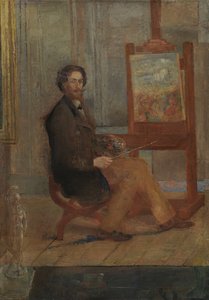
Džeimsas Ensoras
1860 - 1949 , Belgija
Trumpa informacija
- Artistic Movement Or Style: Expressionism, Surrealism
- Artists Who Influenced This Artist:
- Bruegel the Elder
- Francisco Goya
- Whistler
- Date Of Birth: April 13, 1860
- Date Of Death: November 19, 1949
- Full Name: James Sidney Edouard Ensor
- Nationality: Belgian
- Notable Artworks:
- The Scandalized Masks
- Skeletons Fighting...
- Christ's Entry into Brussels
- Place Of Birth: Ostend, Belgium

