Acrylic On Canvas.

§ 1Catalogue data

§ 2Abstract
Kolekcinio objekto aprašas
 Skaityti daugiau
Autoriaus biografija
"James Ensoras (1860–1949 m.) – vienas reikšmingiausių XIX a. pabaigos Belgijos avangardinių dailininkų. Garsiausiu jo paveikslu minimas „Kristaus įžengimas į Briuselį 1889 metais“, kuriame jis parodytas groteskiškai išraiškiantis žvilkus į žiūrovą ir naudojamas spalvingai išraiškingi dažai, simbolizuojantys gyvenimo energiją. Jo kūriniai yra įvykdyti įvykdyti įvykdyti įvykdyti įvykdyti įvykdyti į
§ 3Commentary
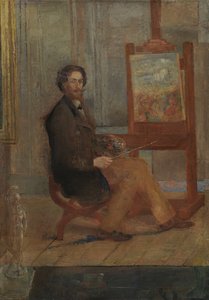
James Ensor’s Disturbing Vision: Exploring “Self Portrait with Demons”
James Ensor (1860-1949), a Belgian artist whose oeuvre remains profoundly unsettling yet undeniably captivating, stands as a singular figure in the late nineteenth and early twentieth centuries. His work consistently confronts viewers with uncomfortable truths about human psychology and societal anxieties—a characteristic powerfully embodied in “Self Portrait with Demons,” painted in 1888. This haunting image transcends mere self-representation; it’s an interrogation of identity itself, layered with potent symbolism that speaks to the pervasive influence of folklore and psychological torment.- Subject Matter & Composition: Ensor presents himself as a man seated before a dark backdrop populated by grotesque figures—demons, goblins, and monstrous faces—that swirl around him like an oppressive aura. The artist’s gaze is direct, unflinching, capturing a moment of profound introspection amidst this chaotic visual landscape.
- Style & Technique: Ensor's style aligns with Symbolism, rejecting Impressionistic optical realism in favor of expressive brushstrokes and muted color palettes. He employs a technique reminiscent of woodcuts and engravings—a deliberate choice that contributes to the artwork’s starkness and reinforces its thematic concerns. The textured surface of the painting enhances the sense of unease and invites contemplation.
- Symbolism & Emotional Impact: The demons surrounding Ensor serve as metaphors for internal struggles—doubt, fear, and vulnerability. Their positioning emphasizes the artist’s isolation and his confrontation with forces beyond rational comprehension. More than just a portrait, “Self Portrait with Demons” is an emotional landscape—a visceral depiction of psychological turmoil that continues to resonate with audiences today.
- Interior Design Considerations: Reproductions of Ensor's work can inject a dramatic element into interior spaces, provoking thought and stimulating conversation. The artwork’s dark palette and unsettling imagery create a powerful contrast against lighter backgrounds, offering an opportunity for curators and designers to explore themes of introspection and confronting hidden anxieties.
Klausimai ir atsakymai
Kaip galiu įsigyti „Self Portrait with Demons“ – Džeimsas Ensoras skaitmeninį vaizdą?
Skaitmeninį „Self Portrait with Demons“ – Džeimsas Ensoras vaizdą galima įsigyti šio kūrinio Skaitmeninis vaizdas puslapio skiltyje: aukštos raiškos skaitmeninio vaizdo atsisiuntimas.
Kaip medžiaga ir judėjimas susilieja darbe „Self Portrait with Demons“?
Kūrybinėje darbe „Self Portrait with Demons“ Acrylic On Canvas technika susilieja su Symbolic Expressionism kryptimi.
Ar „Self Portrait with Demons“ galima peržiūrėti papildydami realybę?
„Self Portrait with Demons“ – Džeimsas Ensoras puslapio Peržiūra papildintajai realybei funkcija naudoja papildytojąjį realybės technologiją, kad suderinamame įrenginyje parodytų kūrinį jūsų erdvėje.


 Perjungti į spausdinamus版作品


 Dėl meno kūrinių ar reprodukcijų, kurių bet kuri pusė yra didesnė nei 105 cm (apie 41 inch), rėmas bus siunčiamas kaip išskaidytas surinkimo rinkinys. Šis metodas užtikrina saugų pristatymą ir apsaugo nuo transportavimo metu galimos žalos.