


 Peržiūrėti realybėje
 Pasidalinti
 Dalintis
 Išsamiau

 Atsisiųsti
 Panašūs eksponatai
 Rentgeno nuotrauka
 Automatinė diorama
Landscape

 Skaityti daugiau
Rankų darbo aliejinės reprodukcijos
Rankiniu būdu tapytas aliejus ant droblio jūsų pageidaujamame dydį ir rėmuose – mūsų menininkų darbas pagal užsakymą. ( Pirkti spaudinį Pirkti vaizdą)




































Pasirinkite iš mūsų nustatytų dydžių, atitinkančių originalaus meno kūrinio proporcijas.

Galite įvesti savo matmenis, kad jie atitiktų konkretų rėmą ar erdvę. Jei pasirinktas dydis neatitinka originalaus paveikslėlio proporcijų, mes arba apkropsime meno kūrinį, arba papildysime tapybą rankomis dažytい elementais. Prieš pradėdami gamybą, jūsų patvirtinimui atsiųsime skaitmeninį maketą.
Atkreipkite dėmesį, kad ekrane rodomas vaizdas neatspindi tikrojo apkarpymo ar papildymo. Tik maketas tiksliai parodys galutinę kompoziciją.
Nors galima rinktis ir individualius dydžius, rekomenduojame pasirinkti matmenis iš nustatytos sąrašo, kad būtų išlaikytos originalios proporcijos.
Gavus užsakymą, AllPaintingsStore.com komanda susisieks su klientu el. paštu dėl instrukcijų ir pateiks maketo pavyzdį.
Pristatymas visame pasaulyje () per 3–4 savaites, o ne įprastai – per 5 savaites. (20 rugpjūtis). Kokybė lieka nepakeičiama.

Nemokamas greitasis pristatymas visame pasaulyje

Aukštos kokybės lininis drobė

Pilnas siuntimo draudimas

Muitinės mokesčių grąžinimo garantija

Tikro spalvų atitikimo garantija

60 dienų grąžinimo politika (tik esant gamyklinėms defektams)

100% pinigų grąžinimo garantija

Nuolaida už kelias reprodukcijas
 Stiklo variantas prieinamas tik pasirinkus dydį iki 110 cm

Landscape
Reprodukcijos technika
Reprodukcijos matmenys
-


Galutinė kaina
$ 383
panašūs kūriniai


Autoriaus biografija
A Life Dedicated to Floral Splendor: Jan Frans van Dael
Jan Frans van Dael, born in Antwerp in 1764 and passing away in Paris in 1840, was a Flemish painter who cultivated a remarkable career specializing in the delicate art of still life—particularly flowers and fruit. While his name may not be as instantly recognizable as some of the Old Masters, Van Dael’s work embodies a refined elegance and technical skill that secured him patronage among the highest echelons of French society during the Empire and Restoration periods. His journey reflects a fascinating intersection of Flemish tradition and Parisian sophistication.
Early Training and Parisian Embrace
Van Dael's artistic beginnings were rooted in architectural drawing at the Antwerp Academy, where he distinguished himself by winning first prizes in 1784 and 1785. However, his path took a decisive turn when he relocated to Paris in 1786. Initially residing within the artists’ quarters of the Louvre, he found himself amidst a vibrant community that included fellow painters like Piat Joseph Sauvage, Gerard van Spaendonck, and Pierre-Joseph Redouté—artists who would significantly influence his development. He initially worked as a decorator, contributing to projects at prestigious châteaux such as St. Cloud, Bellevue, and Chantilly. This early experience honed his meticulous attention to detail and appreciation for decorative arts, qualities that would later define his still lifes.
The Bloom of a Unique Style
Under the guidance of van Spaendonck, Van Dael transitioned from decoration to flower painting, discovering a true calling. He regularly exhibited at the Paris Salon between 1793 and 1833, steadily gaining recognition for his compositions. His success wasn’t merely aesthetic; it was also strategic. Van Dael skillfully blended the sober composition and precise detail characteristic of Flemish flower painting—think Roelandt Savery—with a distinctly French-inspired monumentality. This fusion appealed to the tastes of an increasingly discerning clientele, including Empress Josephine, who owned five of his works, and later, Marie-Louise Bonaparte, Louis XVIII, and Charles X.
Patronage and Artistic Legacy
Van Dael’s career flourished under imperial and royal patronage. He wasn't simply *painting* flowers; he was crafting opulent displays that reflected status and refined taste. His compositions often featured a diverse array of species, meticulously studied from life, demonstrating his botanical knowledge alongside artistic skill. He became a member of the Academies of Antwerp and Amsterdam, solidifying his position within the art world. Beyond his own creations, Van Dael was also an avid collector of works by other flower artists—both contemporaries and masters like Jan Davidsz. de Heem, Abraham Mignon, Rachel Ruysch, and Jan van Huysum—suggesting a deep engagement with the history of his chosen genre.
A Lasting Impression
Jan Frans van Dael’s influence extended beyond his own brushstrokes. He nurtured a generation of pupils, including Jean Benner-Fries, Elise Bruyère, Laurent Coste, Vicomtesse Iphigénie Decaux-Milet-Moreau, Henriëtte Geertruida Knip, Elisa-Emilie Le Mire, Auguste Piquet de Brienne, Christiaan van Pol, and Jean Ulrich Tournier. He spent his entire active career in France, dying in Paris in 1840 and finding final rest alongside his friend van Spaendonck in the Père Lachaise cemetery. Today, his works can be admired in museums like Museum Smidt Van Gelder in Antwerp, offering a glimpse into the serene beauty and technical mastery of an artist who dedicated his life to capturing the ephemeral splendor of flowers.

jan frans van dael
1764 - 1840 , Belgium
Trumpa informacija
- Artistic Movement Or Style: Dutch Landscape Painting
- Artists Or Movements Influenced By This Artist: ['Dutch Golden Age']
- Artists Who Influenced This Artist:
- Jan van Eyck
- Simon Fokke
- John Greenwood
- Gerard van Spaendonck
- Date Of Birth: May 27, 1764
- Full Name: Jan Frans van Dael
- Nationality: Dutch
- Notable Artworks:
- Vase de Fleurs
- Basket of Fruit
- Flower Still-Life
- Place Of Birth: Antwerp, Belgium
Susiję straipsniai

Golden Light & Dutch Skies: The Timeless Magic of Dutch Golden Age Landscapes
Discover the breathtaking beauty of Dutch Golden Age landscapes. Explore the mastery of light, chiaroscuro, and 17th-century realism through an expert art history lens, celebrating the enduring legacy of the Dutch Masters for discerning collectors and art lovers.

Masterpieces of Light: A Definitive Guide to the Landscapes of the Dutch Golden Age
Discover the luminous mastery of Dutch Golden Age landscapes. Our expert guide explores the atmospheric realism of masters like Van Goyen and Cuyp. Elevate your space with museum-quality, hand-painted oil reproductions from AllPaintingsStore.com. Art history, beautifully realized.

Golden Light & Dutch Skies: Bringing the Magic of Dutch Golden Age Landscapes into Your Home
Transform your home with the breathtaking light of Dutch Golden Age landscapes. Discover how hand-painted oil reproductions of masterworks like Ruisdael and Vermeer bring timeless elegance, atmosphere, and soulful texture to modern interiors. Elevate your space with museum-quality art.
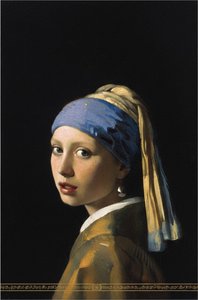
Olandijos Aukso Amžius: 10 Šedevrų, Apibrėžiančių Meną ir Stilių
Atraskite Olandijos Aukso Amži\u017us meninius šedevrus! 10 legendin\u017iŴ paveikslžiai – Rembrandto, Vermeerio ir kt. darbai. Sužnkitę j\u016ungo namus aukso amži\u017us grožiu! Āukrai, interjero dizainas – viskas AllPaintingsStore.com. Ižirkite kolekciją internete!

Chiaroscuro and Character: A Masterclass in Light and Shadow within Dutch Golden Age Painting
Explore the profound mastery of light and shadow in Dutch Golden Age painting. From chiaroscuro to atmospheric landscapes, discover the techniques that defined an era and learn how to bring these timeless masterpieces into your home through museum-quality oil reproductions.


