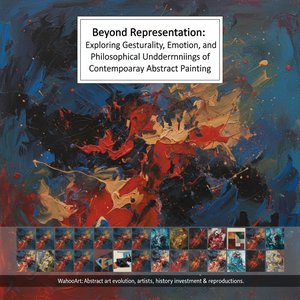
Acrylic On Canvas.

§ 1Katalogo duomenys

Šis kūrinys yra saugomas autorinės teisės
Šiame puslapyje rodomas meno kūrinys yra saugomas autorių teisių įstatymais, todėl neturime teisės legaliai kurti ar parduoti jo identiškos reprodukcijos. Ši apsauga užtikrinama remiantis tokiais tarptautiniais susitarimais kaip Bernės konvencija ir pagal nacionalines įstatymų nuostatas, įskaitant tas, kurias nurodo JAV autoriškos teisės įstatymas – 17-asis skyrius.
Kaip pagarbią ir teisėtą alternatyvą, mes siūlome pagal užsakymą rankomis dažytus paveikslus, įkvėptus originalo. Mūsų įgudę ir profesionalūs menininkai kruopščiai tiria originalo stilių, nuotaiką ir meninę esmę, kad sukurtų naują, unikalią kūrinį, kuris sukelia tą paties jausmą – išlikdamas tuo tarciau originaliu, savarankišku kūrybiniu darbu.
Šis metodas visiškai atitinka autorių teises, nes jame nėra saugomo kūrinio kopijavimo ar dubliavimo. Tai yra kūrybinė reinterpretacija – naujas paveikslas, kurį įkvėpė originalas, tačiau kuris nėra jo identiškas.
 Skaityti daugiau
§ 2Abstraktus
Kolekcinio objekto aprašas
Autoriaus biografija
Pop artas pionierius, žinomas dėl ikoninių vėliavų paveikslų. Atraskite simbolinį Džaseso Džonso pasaulį jau šiandien.
§ 3Komentaras
Jasper Johns’ “Watchman”: A Quiet Revolution in Abstract Minimalism
Jasper Johns' "Watchman," created in 1967, stands as a cornerstone of American art during the mid-century shift from Expressionism to Pop Art. More than just a depiction of a simple chair arrangement—inverted upon another—the painting embodies a profound exploration of perception and repetition, reflecting the anxieties and aspirations of its time while simultaneously establishing a new visual language rooted in everyday objects. This seemingly unassuming piece speaks volumes about Johns’ artistic vision and his contribution to redefining what constituted meaningful art.The Anatomy of Repetition: Form and Technique
At first glance, “Watchman” appears strikingly minimalist. Johns employs graphite wash, metallic pigment, pencil, and pastel on paper—techniques borrowed from both Abstract Expressionism and Surrealist experimentation—to achieve a deceptively serene surface. The meticulous layering of pigments creates subtle tonal variations that draw the eye inward, inviting contemplation. However, beneath this calm exterior lies a complex interplay of repetition. Two chairs are positioned in an inverted configuration, mirroring each other precisely. This deliberate duplication isn’t merely decorative; it serves as a visual anchor, grounding the composition and emphasizing the importance of form itself. Johns' masterful control over texture and color contributes to the painting's understated elegance and reinforces its conceptual core.A Reflection of Existential Uncertainty
The artwork emerged during a period marked by significant social upheaval—the Vietnam War protests, civil rights struggles, and burgeoning countercultural movements—creating an atmosphere of palpable anxiety and questioning established norms. Johns’ choice of subject matter – the commonplace chair – deliberately disrupts expectations, mirroring the broader cultural preoccupation with confronting familiar realities in new ways. The inverted chairs can be interpreted as representing instability and disorientation, reflecting the anxieties inherent in navigating a rapidly changing world. Yet, simultaneously, they convey a sense of quiet resilience—a steadfastness amidst uncertainty—mirroring Johns’ own artistic determination to forge a path distinct from prevailing trends.Symbolism Beyond the Literal
While seemingly devoid of overt narrative content, “Watchman” is laden with symbolic significance. The chair itself has been associated with notions of domesticity and stability – concepts deliberately undermined by its inverted position. This gesture speaks to Johns’ broader interest in exploring psychological states and challenging conventional artistic representations. Furthermore, the repetition of the chair reinforces the idea that seemingly insignificant details can hold profound meaning. It's a subtle reminder that beauty and contemplation can be found even within the simplest forms, urging viewers to consider the deeper implications of visual perception.A Legacy of Minimalism and Conceptual Art
“Watchman” solidified Johns’ position as a pioneer of Minimalist art and profoundly influenced subsequent generations of artists. Its influence extends beyond its formal qualities—the careful consideration of texture and color—to its conceptual underpinning: prioritizing form over content and inviting viewers to engage in active interpretation. As evidenced by the insightful research links provided, “Watchman” continues to resonate with audiences today, demonstrating the enduring power of art to provoke thought and inspire emotion. Its quiet contemplation serves as a testament to Johns’ genius and his contribution to shaping the trajectory of modern artistic expression.Klausimai ir atsakymai
Kur galiu įsigyti „Watchman“ – Jasper Johns spausdinį?
Norėdami užsisakyti „Watchman“ – Jasper Johns spausdinį, tiesiog jį užsisakykite puslapio Kūrinio spausdinimas aukščiausia kokybe skiltyje: aukščiausios kokybės spausdinys ant medžio siuvinėjamų audinių arba archyvinio kanvas tipo popieriaus.
Kokią emociją perteikia „Watchman“ – Jasper Johns?
„Watchman“ siejama su Reflective jausmu. Emocinis tonas aprašo įspūdį, kurį sukelia kūrinys.
Koks yra rekomenduojamas spausdinimo dydis kūriniui „Watchman“ – Jasper Johns?
Rekomenduojamas „Watchman“ spausdinimo dydis – Large. Taip pat galima rinktis kitus dydžius, išlaikant tą patį proporciją.


 Perjungti į spausdinamus版作品


 Dėl meno kūrinių ar reprodukcijų, kurių bet kuri pusė yra didesnė nei 105 cm (apie 41 inch), rėmas bus siunčiamas kaip išskaidytas surinkimo rinkinys. Šis metodas užtikrina saugų pristatymą ir apsaugo nuo transportavimo metu galimos žalos.