


 Peržiūrėti realybėje
 Pasidalinti
 Dalintis
 Išsamiau

 Atsisiųsti
 Panašūs eksponatai
 Rentgeno nuotrauka
 Automatinė diorama
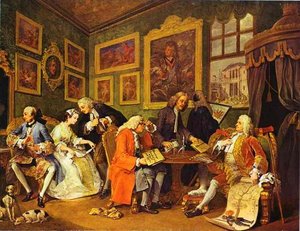
The wedding
 Skaityti daugiau
Giclée / Meno spausdinimas
Muziejų lygio „giclée“ arba drobos spausdinimas: greita gamyba ir lankstios apdailos parinktys. ( Pirkti rankomis tapytą paveikslą Pirkti vaizdą)




































Pasirinkite iš mūsų nustatytų dydžių, atitinkančių originalaus meno kūrinio proporcijas.

Galite nurodyti savo matmenis, kad vaizdas atitiktų konkretų rėmą ar erdvę. Jei pasirinktas dydis nesutaps su originalaus paveikslėlio proporcijomis, mes arba apkirpsime kūrinį, arba išplėsime vaizdą naudojant veideliu atspindėtą arba vientisą šoną. Skaitmeninis maketas bus išsiųstas jums patvirtinti prieš pradedant gamybą.
Atkreipkite dėmesį, kad ekrane matomas vaizdinys neatspindi tikrojo apkirpimo ar išplėtimo. Tik maketas tiksliai parodytų galutinę kompoziciją.
Nors galima rinktis ir individualius dydžius, rekomenduojame pasirinkti vieną iš išanksti nustatytų matmenų, kad būtų išlaikytos originalios proporcijos.
Pristatymas visame pasaulyje () per 2 weeks, o ne įprastas 4/5 savaičių laikotarpis. (18 rugpjūtis)

Nemokamas greitasis pristatymas visame pasaulyje

Aukštos kokybės lininis drobė

Pilnas siuntimo draudimas

Muitinės mokesčių grąžinimo garantija

Tikro spalvų atitikimo garantija

60 dienų grąžinimo politika (tik esant gamyklinėms defektams)

100% pinigų grąžinimo garantija

Nuolaida už kelias reprodukcijas
 Stiklo variantas prieinamas tik pasirinkus dydį iki 110 cm

The wedding
Giclée / Meno spausdinimas
Reprodukcijos matmenys
-


Galutinė kaina
$ 64
panašūs kūriniai






Autoriaus biografija
Johann Hamza (1850-1927): A Viennese Painter of Everyday Life
Johann Hamza (1850-1927) was a prolific Austrian painter who achieved considerable renown during the Austro-Hungarian Empire’s Golden Age, particularly for his masterful depictions of domestic interiors and scenes from rural life. Born in Vienna, Austria, Hamza's artistic journey began with early training under Anton Mayer-Alpin, establishing him firmly within the influential Viennese School tradition—a movement characterized by its meticulous realism and focus on capturing the nuances of bourgeois existence.- Early Influences: Hamza’s formative years coincided with a surge in interest in Dutch Realism, spearheaded by artists like Johannes Bosboom and Anton Mauve. These painters championed an unflinching portrayal of ordinary subjects—peasants, craftsmen, and domestic interiors—rejecting idealized representations in favor of honest observation and detailed rendering. This influence is palpable in Hamza’s own stylistic choices.
- Style & Technique: Hamza developed a distinctive technique rooted in the Les Plumassières style – named after Parisian painter Jean-Baptiste Camille Bouchardy, who championed similar principles. He employed glazing techniques to achieve luminous surfaces and subtle tonal variations, meticulously capturing textures like fabric, wood grain, and plaster. His canvases are renowned for their remarkable clarity and precision, reflecting a dedication to scientific observation combined with artistic sensitivity.
Notable Works & Artistic Development
Hamza’s oeuvre comprises over 300 paintings, predominantly landscapes and interiors—a testament to his unwavering commitment to portraying the realities of his time. Among his most celebrated pieces are ‘The Feather Makers,’ a captivating portrayal of a workshop scene brimming with activity and detail, showcasing Hamza's ability to convey atmosphere and emotion through careful composition and tonal harmony. Similarly impressive is ‘A Cavalier & His Hound,’ which exemplifies Hamza’s meticulous attention to anatomical accuracy and expressive brushwork—a masterful depiction of aristocratic leisure.- Recurring Themes: Recurring motifs in Hamza's work include depictions of rural Austrian landscapes, particularly mountainous regions inhabited by shepherds and farmers. However, he gained particular acclaim for his interiors – capturing the comfort and elegance of bourgeois homes with remarkable realism.
- Recognition & Legacy: Hamza’s artistic achievements were recognized during his lifetime, securing commissions from prominent patrons and earning accolades within Viennese art circles. His paintings continue to be admired today for their technical brilliance and evocative portrayal of everyday life—a lasting contribution to Austrian art history.
Connections to Other Artists & Movements
Hamza’s artistic sensibilities align closely with the broader context of 19th-century European painting, particularly the influence of Johannes Vermeer and Anton Mauve. Like Vermeer, Hamza skillfully utilized light—often diffused and subtle—to illuminate his subjects and create a sense of intimacy within his canvases. Furthermore, he shared Mauve’s dedication to portraying the dignity and complexity of ordinary individuals, upholding the humanist ideals that underpinned the Realist movement. His work stands as an exemplar of meticulous observation and artistic craftsmanship – cementing his place among Austria's most respected painters.Further Exploration
To delve deeper into Johann Hamza’s artistic legacy, consider visiting Stiftskirche St. Johann in Regensburg—a UNESCO World Heritage Site showcasing Bavarian history and religious art. Also explore Dortmund’s Propsteikirche – a remarkable Gothic cathedral featuring the oldest depiction of Dortmund itself! And don't miss Johannes Bosboom: Light, Landscape & the Dutch Realist Tradition for insights into Hamza’s artistic influences. Finally, examine Johann Zoffany: Capturing Georgian Society with Brushstrokes of Cosmopolitan Flair to appreciate Hamza’s engagement with broader cultural trends.
johann hamza
1850 - 1927 , Austria
Trumpa informacija
- Artistic Movement Or Style: Les Plumassières Style
- Artists Or Movements Influenced By This Artist: ['Dutch Realism']
- Artists Who Influenced This Artist: ['Johannes Bosboom']
- Date Of Birth: 1850
- Full Name: Johann Hamza
- Nationality: Austrian
- Notable Artworks:
- The Feather Makers
- A Cavalier & His Hound
- Place Of Birth: Vienna, Austria



