

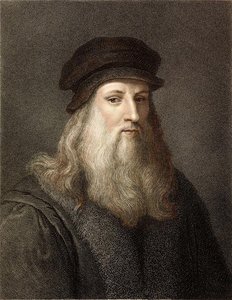
1494. Oil, 266.0 x 214.0 cm. Royal Library.

§ 1Katalogo duomenys

- 266.0 x 214.0 cm


§ 2Abstraktus
Kolekcinio objekto aprašas
Experience the profound psychological tension of Leonardo da Vinci's High Renaissance study for The Last Supper, a masterful exploration of human emotion through sfumato that invites you to possess a piece of history.
 Skaityti daugiau
Autoriaus biografija
Atraskite Leonardą da Vinčį (1452–1519): Renesanso genijus, sukūręs „Mona Lizą“ ir „Paskutinę vakarienę“! Pažinkite jo sfumato techniką, anatomijos studijas ir revoliucinius išradimus.
§ 3Komentaras
A Glimpse into the Divine Mind
To encounter Leonardo da Vinci's Study for the Last Supper is to step directly into the workshop of a genius, witnessing the raw, electric moment before a masterpiece was solidified. Created around 1494, this profound preparatory work serves as much more than a mere sketch; it is a window into the psychological architecture of the High Renaissance. While the final mural in Milan captures the monumental scale of the event, this study offers an intimate, almost whispered meditation on faith and human frailty. It captures the precise instant where the divine intersects with the mortal, as Leonardo meticulously maps out the complex web of emotions that would soon define one of history's most iconic compositions.
The subject matter is deeply rooted in the Christian tradition, depicting the pivotal moment of the Passover meal where Jesus Christ reveals his impending betrayal. However, through Leonardo’s eyes, the scene transcends simple religious iconography. He focuses intensely on the humanity of the apostles—their startled gestures, their furrowed brows, and the palpable tension that ripples through the group. It is a study of motion and reaction, an attempt to freeze the very essence of shock and devotion within a single, unified frame.
The Mastery of Light and Shadow
Technically, this work showcases Leonardo’s unparalleled command over sfumato, his signature technique of soft, smoky transitions. Rather than relying on harsh, definitive outlines, the artist employs subtle gradations of tone to blur the boundaries between figures and their environment. This creates an ethereal, dreamlike atmosphere where light seems to emerge from within the subjects themselves. The delicate application of medium—often involving pen, ink, and subtle washes—allows for a depth of shadow that gives the composition a sculptural, three-dimensional quality.
For the discerning collector or interior designer, the aesthetic value of this study lies in its sophisticated use of chiaroscuro. The interplay between light and dark does not merely provide structure; it directs the viewer's eye through the narrative, pulling attention to the central figure of Christ while allowing the peripheral apostles to recede into a mysterious, atmospheric gloom. This technique lends the piece an enduring elegance that complements both classical and contemporary spaces, offering a sense of profound intellectual depth.
A Legacy of Universal Genius
The historical context of this study is inseparable from the spirit of the uomo universale—the universal man. Working under the patronage of Ludovico Sforza in Milan, Leonardo was simultaneously a scientist, an engineer, and an artist. This duality is evident in the meticulous attention to anatomical accuracy and spatial perspective found within the sketch. Every hand gesture and facial expression is calculated with scientific precision to evoke a specific emotional response, making the work a triumph of both observation and imagination.
Owning a high-quality reproduction of this study allows one to bring a piece of the Renaissance soul into a modern setting. It is an invitation to contemplate the complexities of human interaction and the eternal search for meaning. Whether placed in a quiet study, a grand gallery, or a curated living space, this artwork serves as a powerful focal point, inspiring awe through its historical weight and captivating all who linger before its enigmatic, shadowed beauty.
Klausimai ir atsakymai
Ar „Study for the Last Supper“ – Leonardo Da Vinci yra šviesaus ar tamsaus tono kūrinys?
„Study for the Last Supper“ bendroji ryškumas yra brilliant, o švytėjimas – Luminous.
Kuriam menininkui priskiriamas kūrinys „Study for the Last Supper“?
Kūrinį „Study for the Last Supper“ sukūrė Leonardo Da Vinci. Darbas katalogizuojamas Leonardo Da Vinci vardu.
Kokia buvo Leonardo Da Vinci amžius sukuriant „Study for the Last Supper“?
Leonardo Da Vinci buvo 42 metų, kai 1494 m. sukūrė kūrinį „Study for the Last Supper“. Amžius apskaičiuotas remiantis gimimo metais 1452.
 Perjungti į spausdinamus版作品


 Dėl meno kūrinių ar reprodukcijų, kurių bet kuri pusė yra didesnė nei 105 cm (apie 41 inch), rėmas bus siunčiamas kaip išskaidytas surinkimo rinkinys. Šis metodas užtikrina saugų pristatymą ir apsaugo nuo transportavimo metu galimos žalos.


