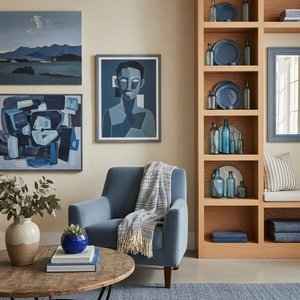
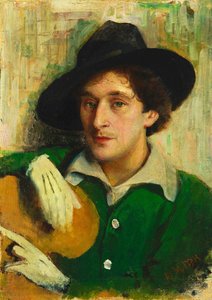
1961. , 23.0 x 31.0 cm.

§ 1Catalogue data

- 23.0 x 31.0 cm


Šis kūrinys yra saugomas autorinės teisės
Šiame puslapyje rodomas meno kūrinys yra saugomas autorių teisių įstatymais, todėl neturime teisės legaliai kurti ar parduoti jo identiškos reprodukcijos. Ši apsauga užtikrinama remiantis tokiais tarptautiniais susitarimais kaip Bernės konvencija ir pagal nacionalines įstatymų nuostatas, įskaitant tas, kurias nurodo JAV autoriškos teisės įstatymas – 17-asis skyrius.
Kaip pagarbią ir teisėtą alternatyvą, mes siūlome pagal užsakymą rankomis dažytus paveikslus, įkvėptus originalo. Mūsų įgudę ir profesionalūs menininkai kruopščiai tiria originalo stilių, nuotaiką ir meninę esmę, kad sukurtų naują, unikalią kūrinį, kuris sukelia tą paties jausmą – išlikdamas tuo tarciau originaliu, savarankišku kūrybiniu darbu.
Šis metodas visiškai atitinka autorių teises, nes jame nėra saugomo kūrinio kopijavimo ar dubliavimo. Tai yra kūrybinė reinterpretacija – naujas paveikslas, kurį įkvėpė originalas, tačiau kuris nėra jo identiškas.
 Skaityti daugiau
§ 2Abstract
Kolekcinio objekto aprašas
Dive into Chagall’s surreal Paradise (9), a mesmerizing depiction of floating figures and vibrant birds against a dreamy blue backdrop—a testament to his distinctive style and the golden age of art deco.
Autoriaus biografija
Atraskite Markas Šagalą (1887–1985), rusų-prancūzų menininko kūrybą! Jo sapnų paveikslai, žydiško folklorinio palikimo temos ir nuostabūs vitražai garsina pasaulį. Pažinkite jo unikalų stilių ir svarbą!
§ 3Commentary
A Symphony of Dreams: Exploring Marc Chagall’s Paradise (9)
The painting “Paradise” (9), created by the celebrated Belarusian-born artist Marc Chagall in 1961, transcends mere representation; it embodies a profound exploration of memory, faith, and the boundless realm of imagination. More than just a visual spectacle, this artwork speaks to the viewer on an emotional level, inviting contemplation about universal themes of innocence, longing, and spiritual aspiration.- Subject Matter: Chagall’s vision centers around a fantastical depiction of paradise—a vibrant tableau populated by figures engaged in joyous activity amidst swirling blues and yellows. The scene evokes biblical imagery, specifically referencing the Garden of Eden, yet Chagall reimagines it through his distinctive lens of surrealism.
- Style: Chagall’s signature style is instantly recognizable for its dreamlike quality and lyrical distortion. He employs flattened perspectives, exaggerated proportions, and fantastical imagery—elements that prioritize emotional expression over strict realism. This stylistic choice aligns perfectly with the broader movement of Surrealism, which sought to liberate art from rational constraints.
Technique: Color as Emotion
Chagall’s masterful use of color is central to conveying the painting's emotive power. He predominantly utilizes shades of blue—ranging from cerulean to indigo—to establish a serene yet restless atmosphere. These blues are juxtaposed with bursts of yellow and orange, symbolizing warmth, optimism, and divine illumination. The artist achieves remarkable luminosity through layering thin washes of pigment, creating an ethereal effect that captures the fleeting beauty of recollection. Furthermore, Chagall’s technique incorporates elements of folk art—particularly Belarusian traditions—evident in simplified forms and bold outlines.- Material: The painting is executed on canvas using oil paints, a medium favored by Chagall for its ability to produce rich colors and textural nuances.
- Brushwork: Chagall’s brushstrokes are loose and expressive, conveying movement and spontaneity. They contribute significantly to the overall dreamlike quality of the artwork.
Historical Context & Symbolism
“Paradise” (9) emerged during a period marked by significant artistic experimentation and intellectual ferment—the height of Surrealist influence. Chagall’s work reflects the anxieties and aspirations of his time, grappling with themes of displacement, faith, and the enduring power of childhood memories. Recurring motifs within the painting – including flying figures representing spiritual ascension, birds symbolizing freedom and hope, and a dog embodying loyalty – are laden with symbolic significance rooted in Jewish folklore and Chagall’s personal experiences. The depiction of multiple individuals engaged in communal celebration underscores the importance of community and tradition.Emotional Impact & Artistic Legacy
Ultimately, “Paradise” (9) succeeds in transporting the viewer to a realm beyond rational comprehension—a space where dreams intertwine with reality and emotion reigns supreme. Chagall’s ability to capture the essence of human experience through stylized imagery has cemented his place as one of the most influential artists of the 20th century. This artwork continues to resonate with audiences today, serving as an enduring testament to the transformative potential of art and its capacity to evoke profound feelings of wonder and nostalgia.Klausimai ir atsakymai
Kokios temos atsispindi kūrynioje „Paradise (9)“ – Markas Šagalas?
„Paradise (9)“ – Markas Šagalas temos apima fantasy landscape, biblical imagery, flying figures, jewish folklore, dreamlike atmosphere, colorful birds, symbolic composition. Kartu jie apibendrina šio kūrinio tematiką.
Kur galiu atsisiųsti „Paradise (9)“ – Markas Šagalas?
Kūrinio „Paradise (9)“ – Markas Šagalas vaizdą galite atsisiųsti puslapio Atsisiųsti skaitmeninį vaizdą skiltyje: aukštos raiškos skaitmeninio vaizdo atsisiuntimas.
Ar „Paradise (9)“ – Markas Šagalas naudoja ryškius kontrastus ar švelnias harmonijas?
„Paradise (9)“ – Markas Šagalas spalvų kompozicijoje Balanced kontrastas susilieja su Strong Color Unity harmonija.


 Perjungti į spausdinamus版作品


 Dėl meno kūrinių ar reprodukcijų, kurių bet kuri pusė yra didesnė nei 105 cm (apie 41 inch), rėmas bus siunčiamas kaip išskaidytas surinkimo rinkinys. Šis metodas užtikrina saugų pristatymą ir apsaugo nuo transportavimo metu galimos žalos.