

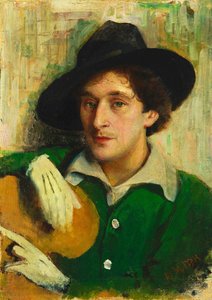
1979. Acrylic On Canvas, 60.0 x 45.0 cm.

§ 1Katalogo duomenys

- 60.0 x 45.0 cm


Šis kūrinys yra saugomas autorinės teisės
Šiame puslapyje rodomas meno kūrinys yra saugomas autorių teisių įstatymais, todėl neturime teisės legaliai kurti ar parduoti jo identiškos reprodukcijos. Ši apsauga užtikrinama remiantis tokiais tarptautiniais susitarimais kaip Bernės konvencija ir pagal nacionalines įstatymų nuostatas, įskaitant tas, kurias nurodo JAV autoriškos teisės įstatymas – 17-asis skyrius.
Kaip pagarbią ir teisėtą alternatyvą, mes siūlome pagal užsakymą rankomis dažytus paveikslus, įkvėptus originalo. Mūsų įgudę ir profesionalūs menininkai kruopščiai tiria originalo stilių, nuotaiką ir meninę esmę, kad sukurtų naują, unikalią kūrinį, kuris sukelia tą paties jausmą – išlikdamas tuo tarciau originaliu, savarankišku kūrybiniu darbu.
Šis metodas visiškai atitinka autorių teises, nes jame nėra saugomo kūrinio kopijavimo ar dubliavimo. Tai yra kūrybinė reinterpretacija – naujas paveikslas, kurį įkvėpė originalas, tačiau kuris nėra jo identiškas.
 Skaityti daugiau
§ 2Abstraktus
Kolekcinio objekto aprašas
Autoriaus biografija
Atraskite Markas Šagalą (1887–1985), rusų-prancūzų menininko kūrybą! Jo sapnų paveikslai, žydiško folklorinio palikimo temos ir nuostabūs vitražai garsina pasaulį. Pažinkite jo unikalų stilių ir svarbą!
§ 3Komentaras
A Vision of Faith and Remembrance: Marc Chagall’s Prophet and Angel
Marc Chagall's "Prophet and Angel," created in 1979, stands as a testament to the artist’s enduring fascination with biblical narratives and his distinctive approach to visual storytelling. This striking lithograph captures a scene from Isaiah XIII, depicting a woman bathed in ethereal light, surrounded by nine angelic figures ascending towards heaven—a poignant meditation on spiritual ascension and divine grace rendered in Chagall's signature Naïve Art style.The Style of Dream: Naïve Art Embodied
Chagall’s artistic vision transcends academic conventions; he embraced Naïve Art, a movement characterized by its childlike spontaneity and rejection of illusionistic realism. Unlike traditional painting techniques prioritizing meticulous detail, Chagall prioritized conveying emotion and imagination through simplified forms and vibrant colors—a deliberate departure from the polished aesthetics of his contemporaries. This stylistic choice isn’t merely aesthetic preference but reflects Chagall's deep connection to folklore and memory, channeling experiences rooted in his Belarusian Jewish heritage into a visual language that prioritizes feeling over factual representation. The resulting artwork possesses an immediacy and vibrancy rarely achieved by more formally trained artists.Symbolism Woven Through Color and Form
The composition of “Prophet and Angel” is laden with symbolic significance. At its core lies the woman, representing humanity grappling with faith and vulnerability—her downward gaze mirroring introspection and acceptance of divine judgment. The angels themselves embody spiritual messengers, ascending in a spiral pattern symbolizing divine grace and transcendence. Their varying sizes and positions contribute to the artwork’s dynamic movement, conveying a sense of upward striving and celestial harmony. Chagall's masterful use of color – predominantly blues and yellows—amplifies these themes, evoking feelings of serenity and illumination while simultaneously hinting at the complexities of spiritual experience. The luminous hues capture the essence of remembered landscapes from Vitebsk, grounding the ethereal figures in tangible reality.Historical Context: Echoes of Vitebsk’s Dual Identity
Created during Chagall's prolific period, “Prophet and Angel” reflects the artist’s ongoing engagement with biblical themes and his exploration of Jewish identity within a broader European context. Vitebsk, where Chagall spent much of his formative years, served as an indelible influence on his artistic sensibility—a city marked by the coexistence of Orthodox Christianity and Jewish culture. This duality is subtly mirrored in the artwork's visual vocabulary, mirroring the artist’s own internal dialogue between tradition and innovation. The lithograph itself represents a significant step away from Chagall’s earlier paintings executed in oil, demonstrating his adaptability to new mediums while maintaining his unwavering commitment to conveying profound emotional resonance.Emotional Resonance: A Window into Chagall's Soul
Ultimately, “Prophet and Angel” transcends mere depiction; it invites contemplation on themes of faith, hope, and remembrance—elements central to Chagall’s artistic worldview. The artwork’s dreamlike quality captures the artist’s ability to transform personal experience into universal symbols, resonating with viewers across cultures and generations. It's a piece that speaks to the human yearning for transcendence and offers a glimpse into Chagall’s deeply felt connection to his roots—a reminder that art can illuminate not only visual beauty but also the profound depths of human emotion.Klausimai ir atsakymai
Kaip „Prophet and angel“ subalansuoja šviesą ir tamsą?
„Prophet and angel“ bendroji ryškumas yra bright, o švytėjimas – Gentle Luminance.
Kokia „Prophet and angel“ kūrinio rūšis?
Kataloge „Prophet and angel“ – Markas Šagalas priskirtas kategorijai WallArt. Ši kategorija padeda rasti panašius kūrinius.
Kokio meno kryžmės dalis yra „Prophet and angel“ – Markas Šagalas?
„Prophet and angel“ yra Naive Art stiliaus kūrinys. Šis dailos kryptis nurodo meninę tradiciją, kurios šis darbas yra dalis.


 Perjungti į spausdinamus版作品


 Dėl meno kūrinių ar reprodukcijų, kurių bet kuri pusė yra didesnė nei 105 cm (apie 41 inch), rėmas bus siunčiamas kaip išskaidytas surinkimo rinkinys. Šis metodas užtikrina saugų pristatymą ir apsaugo nuo transportavimo metu galimos žalos.


