

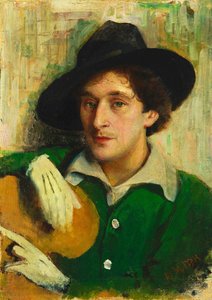
1820. Acrylic On Canvas, 32.0 x 24.0 cm.

§ 1Catalogue data

- 32.0 x 24.0 cm


Šis kūrinys yra saugomas autorinės teisės
Šiame puslapyje rodomas meno kūrinys yra saugomas autorių teisių įstatymais, todėl neturime teisės legaliai kurti ar parduoti jo identiškos reprodukcijos. Ši apsauga užtikrinama remiantis tokiais tarptautiniais susitarimais kaip Bernės konvencija ir pagal nacionalines įstatymų nuostatas, įskaitant tas, kurias nurodo JAV autoriškos teisės įstatymas – 17-asis skyrius.
Kaip pagarbią ir teisėtą alternatyvą, mes siūlome pagal užsakymą rankomis dažytus paveikslus, įkvėptus originalo. Mūsų įgudę ir profesionalūs menininkai kruopščiai tiria originalo stilių, nuotaiką ir meninę esmę, kad sukurtų naują, unikalią kūrinį, kuris sukelia tą paties jausmą – išlikdamas tuo tarciau originaliu, savarankišku kūrybiniu darbu.
Šis metodas visiškai atitinka autorių teises, nes jame nėra saugomo kūrinio kopijavimo ar dubliavimo. Tai yra kūrybinė reinterpretacija – naujas paveikslas, kurį įkvėpė originalas, tačiau kuris nėra jo identiškas.
 Skaityti daugiau
§ 2Abstract
Kolekcinio objekto aprašas
Autoriaus biografija
Atraskite Markas Šagalą (1887–1985), rusų-prancūzų menininko kūrybą! Jo sapnų paveikslai, žydiško folklorinio palikimo temos ir nuostabūs vitražai garsina pasaulį. Pažinkite jo unikalų stilių ir svarbą!
§ 3Commentary
Solomon on the Throne: A Dreamscape of Wisdom and Divine Judgment
Marc Chagall’s “Solomon on the Throne” (circa 1956), a striking etching produced during his prolific period in Naïve Art, transcends mere visual representation; it embodies a profound meditation on biblical narrative and the enduring fascination with themes of authority, faith, and contemplation. Executed in monochrome – primarily black ink accented by subtle tonal variations – this artwork exemplifies Chagall’s signature style: an imaginative blend of realism and fantasy that prioritizes emotional resonance over meticulous detail. The image depicts Solomon, King of Israel, seated upon a throne adorned with stylized floral motifs, flanked by two dogs—a deliberate allusion to the biblical tale recounted in I Kings X, 18-20 where Solomon judges between two women claiming paternity of the same child. The etching’s composition is deliberately asymmetrical, furthering its dreamlike quality and mirroring the unpredictable nature of divine judgment. Scattered throughout the scene are additional animals – three cats—each positioned with careful consideration, contributing to a rich tapestry of symbolism rooted in Jewish folklore. Cats traditionally represent wisdom and vigilance within Hasidic tradition, aligning perfectly with Solomon’s role as a ruler known for his intellect and piety. The dogs, similarly symbolic, embody loyalty and guardianship, reinforcing the overarching message of righteousness and divine protection. Chagall's technique is characterized by loose hatching lines that convey texture and depth without striving for photographic accuracy. This approach distinguishes him from academic realism, opting instead for a visual language that prioritizes feeling over observation. The artist’s masterful manipulation of tonal values creates an atmosphere of solemn grandeur, inviting viewers to immerse themselves in the contemplative mood of the biblical scene. It's not merely a depiction; it’s an emotional distillation of the story itself—a testament to Chagall’s ability to transform historical narrative into universally accessible art.- Artist: Marc Chagall (1887-1985)
- Style: Naïve Art (Primitivism)
- Medium: Etching
- Size: 32 x 24 cm
- Date: Circa 1956
Symbolism and Biblical Narrative
The etching’s central motif—Solomon judging between the two women—represents a cornerstone of Jewish tradition, illustrating the importance of justice and discernment. Chagall skillfully captures this narrative tension through visual elements like the throne's floral ornamentation and the positioning of the animals, symbolizing wisdom, loyalty, and divine guardianship. The monochrome palette enhances the solemnity of the scene, emphasizing the gravity of Solomon’s decision and inviting contemplation on themes of righteousness and faith.Chagall’s Distinctive Technique
Unlike academic art movements focused on precise representation, Chagall embraced a technique that prioritized emotional expression over photographic realism. His loose hatching lines create texture and depth while conveying an ethereal quality—a hallmark of his Naïve Art style. This approach allows for a more intuitive engagement with the subject matter, prioritizing feeling and imagination over meticulous observation.Emotional Impact
“Solomon on the Throne” resonates deeply with viewers through its evocative imagery and masterful tonal manipulation. The artwork’s dreamlike atmosphere encourages introspection and invites contemplation on fundamental questions of morality and divine judgment—themes that continue to captivate audiences across cultures and generations. It stands as a poignant reminder of Chagall's ability to transform biblical stories into emotionally resonant visual experiences.Klausimai ir atsakymai
Kokia spalvų ryškumas ir intensyvumas pasižymi „Solomon on the throne“ – Markas Šagalas?
Kūrinys „Solomon on the throne“ – Markas Šagalas pasižymi Muted nasyginimu ir Monochromatic intensyvumu.
Ar „Solomon on the throne“ – Markas Šagalas priklauso labiausiai siekiamų Expressionist Monochrome kūrybos veikalų?
Kataloge kūrinys „Solomon on the throne“ vertinamas kaip Iconic tarp Expressionist Monochrome stiliaus darbų.
Kokia technika sukurta „Solomon on the throne“ – Markas Šagalas?
„Solomon on the throne“ technika – Acrylic On Canvas.


 Perjungti į spausdinamus版作品


 Dėl meno kūrinių ar reprodukcijų, kurių bet kuri pusė yra didesnė nei 105 cm (apie 41 inch), rėmas bus siunčiamas kaip išskaidytas surinkimo rinkinys. Šis metodas užtikrina saugų pristatymą ir apsaugo nuo transportavimo metu galimos žalos.


