

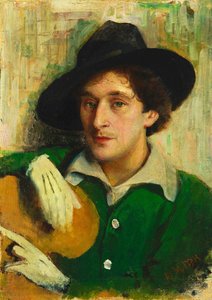
1931. Acrylic On Canvas, 49.0 x 58.0 cm.

§ 1Catalogue data

- 49.0 x 58.0 cm


Šis kūrinys yra saugomas autorinės teisės
Šiame puslapyje rodomas meno kūrinys yra saugomas autorių teisių įstatymais, todėl neturime teisės legaliai kurti ar parduoti jo identiškos reprodukcijos. Ši apsauga užtikrinama remiantis tokiais tarptautiniais susitarimais kaip Bernės konvencija ir pagal nacionalines įstatymų nuostatas, įskaitant tas, kurias nurodo JAV autoriškos teisės įstatymas – 17-asis skyrius.
Kaip pagarbią ir teisėtą alternatyvą, mes siūlome pagal užsakymą rankomis dažytus paveikslus, įkvėptus originalo. Mūsų įgudę ir profesionalūs menininkai kruopščiai tiria originalo stilių, nuotaiką ir meninę esmę, kad sukurtų naują, unikalią kūrinį, kuris sukelia tą paties jausmą – išlikdamas tuo tarciau originaliu, savarankišku kūrybiniu darbu.
Šis metodas visiškai atitinka autorių teises, nes jame nėra saugomo kūrinio kopijavimo ar dubliavimo. Tai yra kūrybinė reinterpretacija – naujas paveikslas, kurį įkvėpė originalas, tačiau kuris nėra jo identiškas.
 Skaityti daugiau
§ 2Abstract
Kolekcinio objekto aprašas
Autoriaus biografija
Atraskite Markas Šagalą (1887–1985), rusų-prancūzų menininko kūrybą! Jo sapnų paveikslai, žydiško folklorinio palikimo temos ir nuostabūs vitražai garsina pasaulį. Pažinkite jo unikalų stilių ir svarbą!
§ 3Commentary
A Journey Through Darkness and Light: Exploring Marc Chagall’s “The Exodus from Egypt”
Marc Chagall's "The Exodus from Egypt," painted in 1931, transcends mere depiction; it embodies a profound spiritual quest rendered in the distinctive language of Naïve Art. This gouache masterpiece isn’t simply illustrating biblical scripture; it’s channeling the very essence of faith and liberation into a visual tapestry that continues to resonate with audiences today. The painting's genesis lies firmly within Chagall’s formative years, deeply influenced by his upbringing in Vitebsk—a town brimming with cultural duality—where Orthodox churches stood alongside vibrant Jewish marketplaces, shaping an artistic sensibility unlike any other.Style and Technique: Embracing Naïve Art’s Surreal Vision
Chagall's stylistic approach aligns perfectly with the tenets of Naïve Art (Primitivism), a movement characterized by its rejection of academic conventions and its embrace of childlike spontaneity. Unlike polished realism, “The Exodus” abandons meticulous detail in favor of expressive distortions and fantastical imagery. Thickly applied gouache paint—a pigment known for its opacity and luminous qualities—creates textured surfaces that pulsate with color, mirroring the emotional intensity of the biblical narrative. The artist’s deliberate simplification of forms contributes to a dreamlike atmosphere, inviting viewers into Chagall's inner world – a realm where recognizable figures merge seamlessly with symbolic representations.Biblical Narrative and Symbolic Resonance
The painting captures a pivotal moment from Exodus IX:21-23—Moses commanding God to darken the sun over Egypt as punishment for Pharaoh’s oppression of the Israelites. Chagall doesn't strive for literal accuracy; instead, he utilizes symbolism to convey the profound spiritual significance of this event. The figures depicted are stylized and elongated, conveying a sense of movement and urgency. Notably, Chagall employs recurring motifs—flying figures—a hallmark of his oeuvre, representing aspiration and transcendence beyond earthly constraints. The vibrant hues – predominantly yellows and blues – symbolize both divine illumination and the turbulent forces of nature confronting humanity’s plight.Historical Context: Echoes of Artistic Expression Amidst Uncertainty
Painted during a period marked by political upheaval and artistic experimentation in Europe—the shadow of impending war lingered—"The Exodus from Egypt" reflects Chagall's engagement with broader cultural currents. The painting emerged from Vitebsk, where Chagall actively participated in avant-garde movements like Suprematism and Constructivism, demonstrating his willingness to challenge established artistic norms. Yet, despite these influences, Chagall’s vision remained rooted in Jewish tradition and folklore—a testament to the enduring power of personal experience informing artistic creation.Emotional Impact: A Window into Chagall's Soul
Ultimately, “The Exodus from Egypt” succeeds as a deeply emotive artwork. Its dreamlike quality evokes feelings of wonder, fear, and hope – mirroring the Israelites’ journey from bondage to freedom. The artist’s masterful use of color and form compels viewers to contemplate themes of faith, resilience, and the transformative potential of confronting darkness with unwavering belief. It's a piece that invites contemplation and inspires awe—a timeless reminder of Chagall’s ability to translate spiritual yearning into unforgettable visual art.Klausimai ir atsakymai
Kas yra „The exodus from Egypt“ autorius ir kokia kūrinio data?
Markas Šagalas sukūrė „The exodus from Egypt“, nufiksavęs/usi nufiksavęs/usi 1931 m.
Kas yra „The exodus from Egypt“ autorius ir kokio stiliaus/krypties šis kūrinys?
Kūrinį „The exodus from Egypt“ sukūrė Markas Šagalas, pasižymintis Naive Art stiliumi.
Kokia paletė ir pagrindinė spalva apibrėžė „The exodus from Egypt“?
„The exodus from Egypt“ – Markas Šagalas kūryboje naudojama Neutrals paletė, kurioje dominuoja Putty (#f7dab9) spalva.


 Perjungti į spausdinamus版作品


 Dėl meno kūrinių ar reprodukcijų, kurių bet kuri pusė yra didesnė nei 105 cm (apie 41 inch), rėmas bus siunčiamas kaip išskaidytas surinkimo rinkinys. Šis metodas užtikrina saugų pristatymą ir apsaugo nuo transportavimo metu galimos žalos.


