

Giclée Print.

§ 1Katalogo duomenys


Šis kūrinys yra saugomas autorinės teisės
Šiame puslapyje rodomas meno kūrinys yra saugomas autorių teisių įstatymais, todėl neturime teisės legaliai kurti ar parduoti jo identiškos reprodukcijos. Ši apsauga užtikrinama remiantis tokiais tarptautiniais susitarimais kaip Bernės konvencija ir pagal nacionalines įstatymų nuostatas, įskaitant tas, kurias nurodo JAV autoriškos teisės įstatymas – 17-asis skyrius.
Kaip pagarbią ir teisėtą alternatyvą, mes siūlome pagal užsakymą rankomis dažytus paveikslus, įkvėptus originalo. Mūsų įgudę ir profesionalūs menininkai kruopščiai tiria originalo stilių, nuotaiką ir meninę esmę, kad sukurtų naują, unikalią kūrinį, kuris sukelia tą paties jausmą – išlikdamas tuo tarciau originaliu, savarankišku kūrybiniu darbu.
Šis metodas visiškai atitinka autorių teises, nes jame nėra saugomo kūrinio kopijavimo ar dubliavimo. Tai yra kūrybinė reinterpretacija – naujas paveikslas, kurį įkvėpė originalas, tačiau kuris nėra jo identiškas.
 Skaityti daugiau
§ 2Abstraktus
Kolekcinio objekto aprašas
Marcel Duchamp’s unsettling ‘Torture-morte’ presents a stark black and white photograph of a foot swarming with insects, embodying Dada’s anti-art sensibilities. This provocative image challenges artistic conventions and invites contemplation on mortality and decay – discover this iconic piece.
Autoriaus biografija
Marcelis Diušanas – revoliucinis menininkas, iššūkį metęs dailės sampratai su dadaizmu ir „readymade“ kūriniais, tokiais kaip „Fontanas“. Pažinkite jo ikoninius darbus ir filosofinį poveikį!
§ 3Komentaras
A Frozen Moment of Decay: Exploring Duchamp's *Torture-morte*
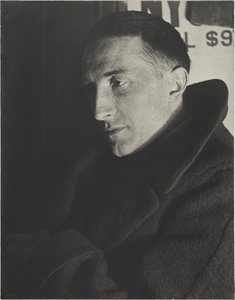
Marcel Duchamp’s Torture-morte (1917) is not merely a photograph; it’s an unsettling meditation on mortality, decay, and the very definition of art itself. Captured by Man Ray, this stark black and white image depicts a human foot, meticulously arranged within a box, swarming with insects – primarily ants, but also beetles and other unidentified arthropods. The scene is brutally honest, devoid of romanticism or idealized beauty, presenting instead a visceral confrontation with the inevitability of decomposition. This seemingly simple composition immediately challenges the viewer’s expectations, forcing an uncomfortable engagement with themes of death, corruption, and the transient nature of existence.
Dadaist Roots and Conceptual Innovation
Created during Duchamp's time within the Dada movement, Torture-morte embodies the group’s core tenets: a rejection of traditional artistic values and a deliberate provocation of societal norms. Dada artists sought to dismantle established hierarchies and expose the absurdity of bourgeois culture. Duchamp, along with Man Ray, embraced chance and accident as creative tools, often photographing seemingly random occurrences. This photograph exemplifies this approach; it’s not a carefully constructed still life intended to represent something beautiful or meaningful, but rather an accidental discovery transformed into a potent artistic statement. The image's genesis is shrouded in anecdote – Man Ray reportedly snapped the picture while attempting to capture a cockroach, and the foot was purportedly that of Duchamp himself. This element of chance adds another layer of complexity to the work’s meaning.
Technique and Composition: A Study in Contrast
The technical execution is deceptively simple yet profoundly effective. Man Ray utilized a relatively primitive camera at the time, resulting in a sharp, almost clinical image that amplifies the horror of the scene. The stark contrast between the pale flesh of the foot and the dark shadows within the box creates a dramatic tension, drawing the viewer’s eye to the overwhelming presence of the insects. The composition itself is deliberately unsettling; the foot, presented in an unnatural state, becomes a symbol of vulnerability and decay. The arrangement of the insects – their deliberate clustering around the foot – suggests a relentless process of consumption, mirroring the destructive forces of time.
Symbolism and Emotional Impact
Beyond its Dadaist origins, Torture-morte resonates with deeper symbolic meanings. The foot, as a symbol of mortality and earthly existence, is subjected to the ravages of nature – represented by the insects. This imagery evokes a sense of anxiety and dread, confronting viewers with their own vulnerability and the ultimate fate of all living things. The title itself, “Torture-morte,” further intensifies this emotional impact, suggesting a prolonged and agonizing process of decay. The photograph’s power lies in its ability to bypass rational thought and tap into primal fears, making it a profoundly disturbing yet undeniably captivating work of art.
A Reproduction for the Connoisseur
AllPaintingsStore offers a meticulously crafted hand-painted reproduction of Torture-morte, capturing every detail of Man Ray’s original photograph with exceptional fidelity. Utilizing archival quality materials and employing skilled artists who understand Duchamp's intent, this reproduction ensures that you possess an authentic representation of this iconic work. Perfect for collectors seeking a piece of Dadaist history or interior designers aiming to inject a dose of provocative beauty into their spaces, this reproduction is more than just an image; it’s an experience – a frozen moment of decay that continues to challenge and disturb us over a century later.
Klausimai ir atsakymai
Ar „Torture-morte“ – Marselis Diušanas yra portretinė, peisžinio tipo ar kvadratinė kompozicija?
„Torture-morte“ – Marselis Diušanas yra Tall kompozicija. Prieš renkantis spausdinimo dydį, verta patikrinti proporcijas.
Ar „Torture-morte“ galima peržiūrėti papildydami realybę?
„Torture-morte“ – Marselis Diušanas puslapio Peržiūra papildintajai realybei funkcija naudoja papildytojąjį realybės technologiją, kad suderinamame įrenginyje parodytų kūrinį jūsų erdvėje.
Kokią paletę ir kokią emociją sujungia „Torture-morte“?
Darbe „Torture-morte“ Earthy spalvos sukuria Melancholic nuotaiką.


 Perjungti į spausdinamus版作品


 Dėl meno kūrinių ar reprodukcijų, kurių bet kuri pusė yra didesnė nei 105 cm (apie 41 inch), rėmas bus siunčiamas kaip išskaidytas surinkimo rinkinys. Šis metodas užtikrina saugų pristatymą ir apsaugo nuo transportavimo metu galimos žalos.


