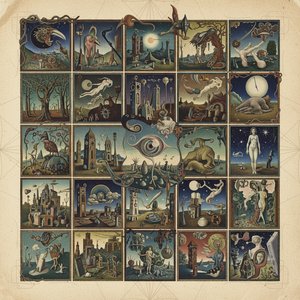
1922. Oil, 130.0 x 95.0 cm.

§ 1Katalogo duomenys

- 130.0 x 95.0 cm


Šis kūrinys yra saugomas autorinės teisės
Šiame puslapyje rodomas meno kūrinys yra saugomas autorių teisių įstatymais, todėl neturime teisės legaliai kurti ar parduoti jo identiškos reprodukcijos. Ši apsauga užtikrinama remiantis tokiais tarptautiniais susitarimais kaip Bernės konvencija ir pagal nacionalines įstatymų nuostatas, įskaitant tas, kurias nurodo JAV autoriškos teisės įstatymas – 17-asis skyrius.
Kaip pagarbią ir teisėtą alternatyvą, mes siūlome pagal užsakymą rankomis dažytus paveikslus, įkvėptus originalo. Mūsų įgudę ir profesionalūs menininkai kruopščiai tiria originalo stilių, nuotaiką ir meninę esmę, kad sukurtų naują, unikalią kūrinį, kuris sukelia tą paties jausmą – išlikdamas tuo tarciau originaliu, savarankišku kūrybiniu darbu.
Šis metodas visiškai atitinka autorių teises, nes jame nėra saugomo kūrinio kopijavimo ar dubliavimo. Tai yra kūrybinė reinterpretacija – naujas paveikslas, kurį įkvėpė originalas, tačiau kuris nėra jo identiškas.
 Skaityti daugiau
§ 2Abstraktus
Kolekcinio objekto aprašas
Max Ernst's 'A Friends' Reunion' (1922) is a surrealist oil painting depicting a lively social gathering, showcasing his unique blend of realism and dreamlike imagery. Explore the artwork’s influences & impact on modern art.
Autoriaus biografija
Siurrealizmo pionierius, žinomas dėl frotažo ir koliažo. Atraskite jo sapniškus šedevrus jau šiandien.
§ 3Komentaras
The Enigmatic Gathering: Unpacking Max Ernst’s “A Friends’ Reunion”
Max Ernst’s 1922 painting, "A Friends’ Reunion," isn’t merely a depiction of a social gathering; it's an invitation into the subconscious, a carefully constructed dreamscape rendered in oil on canvas. Measuring a modest 130 x 95 cm, this work immediately captivates with its unsettling blend of realism and surrealism – a hallmark of Ernst’s distinctive style. The scene unfolds within a room brimming with figures, each engaged in seemingly random activities: seated, standing, reclining, lost in conversation or simply observing. Thirteen individuals populate the space, their attire ranging from formal to casual, their postures suggesting a complex interplay of relationships and unspoken narratives. The painting isn’t about capturing a specific moment; it's about evoking an atmosphere, a feeling of contained energy and subtle unease – a testament to Ernst’s ability to distill psychological depth into visual form.
The room itself is deceptively simple, furnished with a scattering of chairs and a prominent dining table positioned towards the left. However, it's the details that truly elevate the piece. A clock hangs prominently on the wall above the group, an insistent reminder of time’s passage and perhaps hinting at the anxieties inherent in social interaction. The muted color palette – dominated by browns, ochres, and greys – contributes to the painting’s dreamlike quality, lending it a timelessness that transcends its specific date. Ernst masterfully employs light and shadow to create depth and intrigue, drawing the viewer's eye across the crowded composition.
Surrealism in Action: Ernst’s Techniques and Influences
“A Friends’ Reunion” firmly establishes Max Ernst as a key figure within the burgeoning Surrealist movement. Emerging from the disillusionment of World War I, Surrealism sought to liberate art from the constraints of reason and logic, tapping into the realm of dreams, the unconscious, and irrationality. Ernst's approach was particularly innovative, incorporating techniques like *frottage* – a method of rubbing pencil over textured surfaces to create unexpected patterns – and *grattage*, where paint is scraped across canvas to reveal underlying layers and textures. These processes deliberately disrupted traditional artistic control, allowing for the emergence of spontaneous imagery.
The influence of Cubism is also evident in the painting’s fragmented forms and multiple perspectives. While not a direct imitation, Ernst utilizes Cubist principles – breaking down objects into geometric shapes and reassembling them from different viewpoints – to create a sense of disorientation and ambiguity. This juxtaposition of realistic elements with abstract distortions is central to Surrealist aesthetics, challenging viewers to interpret the scene on multiple levels.
Decoding the Symbolism: Faces in a Dream
The figures within “A Friends’ Reunion” are deliberately ambiguous, their identities obscured by gesture and posture. They aren't portraits in the traditional sense; instead, they represent archetypes of social interaction – the attentive listener, the engaged conversationalist, the solitary observer. The arrangement of these figures suggests a dynamic tension, a subtle power struggle beneath the surface of polite conversation. The clock, as mentioned earlier, serves as a potent symbol of time and mortality, reminding us that even in this seemingly idyllic gathering, the relentless march of time continues unabated.
Some art historians have suggested that Ernst’s use of birds – frequently appearing in his work – represents freedom and escape. The presence of these avian motifs within “A Friends’ Reunion” could be interpreted as a yearning for liberation from the constraints of social convention or perhaps a commentary on the fleeting nature of human connection. Ultimately, the painting's symbolism is open to interpretation, inviting viewers to project their own experiences and anxieties onto its enigmatic scene.
A Legacy of Innovation: Surrealism’s Enduring Impact
“A Friends’ Reunion” stands as a pivotal work in the development of modern art. Surrealism's exploration of the subconscious profoundly influenced subsequent movements, including Abstract Expressionism, Pop Art, and Conceptual Art. Ernst’s experimentation with technique and his willingness to challenge conventional artistic norms paved the way for artists to push boundaries and explore new forms of expression. His legacy continues to inspire contemporary artists who seek to disrupt established conventions and tap into the power of the imagination.
Klausimai ir atsakymai
Ar „A Friends' Reunion“ – Maxas Ernstas yra ryškus ar tamsus kūrinys?
Perceptinis „A Friends' Reunion“ – Maxas Ernstas ryškumas yra shadow. Jį galima suderinti su intended erdvės apšvietimu.
Kokį Maxas Ernstas kūrybos etapą atspindi „A Friends' Reunion“?
„A Friends' Reunion“ atspindi Maxas Ernstas kūrybinį laikotarpį Surrealist Phase.
Ar „A Friends' Reunion“ – Maxas Ernstas yra šviesaus ar tamsaus tono kūrinys?
„A Friends' Reunion“ bendroji ryškumas yra shadow, o švytėjimas – Soft Shadow.



 Perjungti į spausdinamus版作品


 Dėl meno kūrinių ar reprodukcijų, kurių bet kuri pusė yra didesnė nei 105 cm (apie 41 inch), rėmas bus siunčiamas kaip išskaidytas surinkimo rinkinys. Šis metodas užtikrina saugų pristatymą ir apsaugo nuo transportavimo metu galimos žalos.