

Acrylic On Canvas.

§ 1Catalogue data


Šis kūrinys yra saugomas autorinės teisės
Šiame puslapyje rodomas meno kūrinys yra saugomas autorių teisių įstatymais, todėl neturime teisės legaliai kurti ar parduoti jo identiškos reprodukcijos. Ši apsauga užtikrinama remiantis tokiais tarptautiniais susitarimais kaip Bernės konvencija ir pagal nacionalines įstatymų nuostatas, įskaitant tas, kurias nurodo JAV autoriškos teisės įstatymas – 17-asis skyrius.
Kaip pagarbią ir teisėtą alternatyvą, mes siūlome pagal užsakymą rankomis dažytus paveikslus, įkvėptus originalo. Mūsų įgudę ir profesionalūs menininkai kruopščiai tiria originalo stilių, nuotaiką ir meninę esmę, kad sukurtų naują, unikalią kūrinį, kuris sukelia tą paties jausmą – išlikdamas tuo tarciau originaliu, savarankišku kūrybiniu darbu.
Šis metodas visiškai atitinka autorių teises, nes jame nėra saugomo kūrinio kopijavimo ar dubliavimo. Tai yra kūrybinė reinterpretacija – naujas paveikslas, kurį įkvėpė originalas, tačiau kuris nėra jo identiškas.
 Skaityti daugiau
§ 2Abstract
Kolekcinio objekto aprašas
Autoriaus biografija
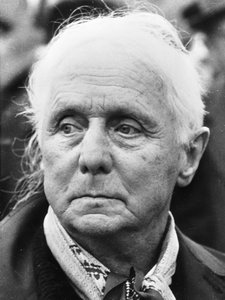
Atraskite Maxo Ernsto (1891–1976) – dadaizmo ir surrealizmo pionieriaus – vizionierių pasaulį! Apžvelkite jo inovatyvias frotažo, koliažų technikas bei sapniškus paveikslus su paukščiais, peizažais ir psichologinėmis temomis.
§ 3Commentary
El Beso: A Surrealist Embrace of Chance
Max Ernst’s “El Beso,” or “The Kiss,” stands as a cornerstone of Dadaism and Surrealism, embodying the movement's rebellious spirit against rational thought and embracing the subconscious realm. Created in 1927 during Ernst’s passionate relationship with Marie-Berthe Aurenche, this oil on canvas masterpiece transcends mere depiction; it’s an exploration of desire, connection, and the transformative power of accidental beauty.
- Composition & Style: The painting's stark simplicity is deceptive. Against a muted blue backdrop, Ernst presents two figures intertwined—a man and a woman—whose forms are deliberately distorted, prioritizing expressive gesture over anatomical accuracy. This stylistic choice aligns perfectly with Dada’s rejection of traditional artistic conventions.
- Technique: Ernst pioneered innovative techniques like frottage (rubbing textured surfaces onto canvas) and graftage (layering materials to create complex textures), which he meticulously applied to achieve a palpable sense of materiality. The use of a coordinate grid system—a deliberate intervention against chance—highlights the artist’s conscious control over seemingly random elements.
- Historical Context: Dada emerged in Zurich during World War I as a reaction to the horrors of conflict and the perceived moral bankruptcy of bourgeois society. Artists like Ernst sought to dismantle established artistic hierarchies and challenge viewers' perceptions of reality, prioritizing emotion and intuition over logic.
Symbolism permeates “El Beso.” The figures’ ambiguous facial expressions convey a profound disconnection—a mirroring of the anxieties surrounding intimacy during this turbulent period. Yet, their embrace embodies an irresistible yearning for connection, reflecting Ernst's own fascination with psychoanalysis and his belief in the subconscious as a source of artistic inspiration. The bird motif—present in other Ernst paintings—represents freedom and aspiration, subtly reinforcing the painting’s overarching theme.
Beyond its formal innovations, “El Beso” resonates deeply with viewers due to its exploration of fundamental human emotions. It captures the vulnerability inherent in romantic relationships and celebrates the beauty found within unexpected juxtapositions. Ernst's masterful manipulation of texture and color contributes to an atmosphere of tension and uncertainty—a hallmark of Surrealist art that continues to captivate audiences today.
- Further Exploration: Interested in delving deeper into Ernst’s artistic vision? Explore his other celebrated works, including “The Garden of France” and “Approaching Puberty or The Pleiads,” which showcase similar stylistic approaches and thematic concerns. Discover more about Ernst's life and influence on the Surrealist movement at AllPaintingsStore.com for a high-quality reproduction of this iconic artwork.
Klausimai ir atsakymai
Kaip „El beso“ spalvos dera vienas su kitu?
„El beso“ spalvų harmonija yra apibūdinama kaip Discordant Palette.
Kokia technika sukurta „El beso“ – Maksas Ernstas?
Maksas Ernstas kūriniui „El beso“ panaudojo Acrylic On Canvas techniką. Ši technika apibrėžė originalaus kūrinio medžiaginę prigimtį.
Kaip meno kryptis ir epocha susilieja kūryboje „El beso“ – Maksas Ernstas?
„El beso“ – Maksas Ernstas priskiriamas Surrealist Art stiliui, kūrėjo prekiaujantem į Modernizmas laikotarpį.


 Perjungti į spausdinamus版作品


 Dėl meno kūrinių ar reprodukcijų, kurių bet kuri pusė yra didesnė nei 105 cm (apie 41 inch), rėmas bus siunčiamas kaip išskaidytas surinkimo rinkinys. Šis metodas užtikrina saugų pristatymą ir apsaugo nuo transportavimo metu galimos žalos.


